
Beautiful Plants For Your Interior
Beautiful Plants For Your Interior
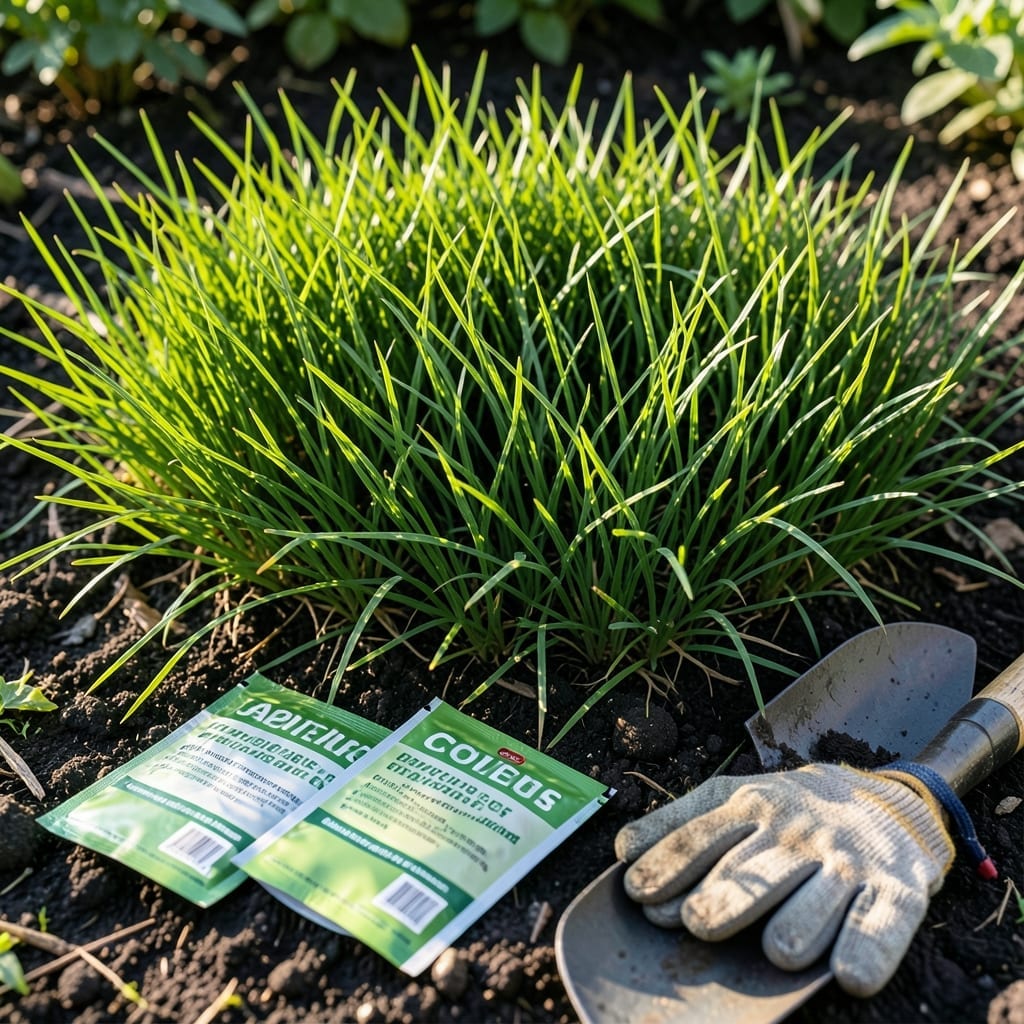
Timing is everything when planting Grass seed in Michigan—plant too early or too late, and you risk poor germination or winter kill.
The ideal window for 5b-6a zones is Late Summer – Early Fall, when soil temperatures are just right for cool-season grasses.
I’ve seen firsthand how getting this timing wrong can waste time and money. The key is aligning your planting with Michigan’s unique climate patterns.
Let me walk you through the exact timing and preparation steps so your 🌱 lawn thrives from the start.
Michigan’s cool-season grasses thrive when planted during specific windows. The state spans USDA zones 4-6, so timing varies slightly by region, but early fall is universally ideal.
For northern Michigan (Zone 4-5), aim for late August to mid-September. This gives seeds 6-8 weeks to establish before the first frost.
| Zone | Best Planting Window | Soil Temp Range |
|---|---|---|
| Zone 4 | Aug 15 – Sep 1 | 50-65°F |
| Zone 5 | Aug 10 – Sep 10 | 55-70°F |
| Zone 6 | Aug 1 – Sep 15 | 60-75°F |
🌱 Optimal for Kentucky bluegrass, fescue, and ryegrass
In southern Michigan (Zone 6), you can push planting to early October if the weather stays mild. Spring planting is possible but riskier due to summer heat stress.
For spring planting, wait until soil temps hit 50°F, typically mid-April to early May. Avoid late spring as young grass struggles in summer heat.
Kentucky bluegrass and tall fescue prefer 60-75°F soil temps. I always check with a soil thermometer before seeding to ensure conditions are right.
Ryegrass germinates faster and can handle cooler soils (50-65°F), making it a good choice for early fall or late summer plantings in Michigan.
Remember, seed-to-soil contact is critical. I use a lawn roller after seeding to improve germination rates. Keep the area consistently moist for the first 2-3 weeks.
Michigan’s first frost typically hits October 15-30. Planting 6 weeks before this date ensures roots establish before winter. In Zone 4, this means seeding by early September.
For overseeding existing lawns, follow the same timing. I’ve had great success with early fall overseeding to thicken thin lawns before winter dormancy.
Even with perfect timing, small missteps can sabotage your Michigan grass seed planting. I’ve learned the hard way that summer heat is the enemy of young grass.
Planting in July or August often leads to poor germination as seeds dry out or burn in 90°F+ temps. Always wait for cooler conditions. 🌱
⚠️ Warning: Avoid seeding during summer heat waves or drought conditions. Seeds need consistent moisture and cool temps to sprout properly.
Another common mistake is skipping soil prep. I always test soil pH first—6.0-7.0 is ideal for grass. compacted soil? Loosen it before seeding.
Many gardeners overlook frost dates. In northern Michigan, seeding after September 15 risks winter kill. Southern areas have more flexibility but still need 6 weeks before frost.
Over-seeding too thickly causes competition and weak growth. I use 16 seeds per square inch for even coverage. Also, never fertilize right after seeding—wait 4-6 weeks.
Watering mistakes are frequent. Too much water causes fungal issues, while too little dries out seeds. Aim for 1 inch per week in morning watering sessions. ✂️
Finally, ignoring weed control can choke out new grass. I apply pre-emergent herbicide 12 weeks before planting, never after. This prevents weeds without harming germinating seeds.