
Beautiful Plants For Your Interior
Beautiful Plants For Your Interior
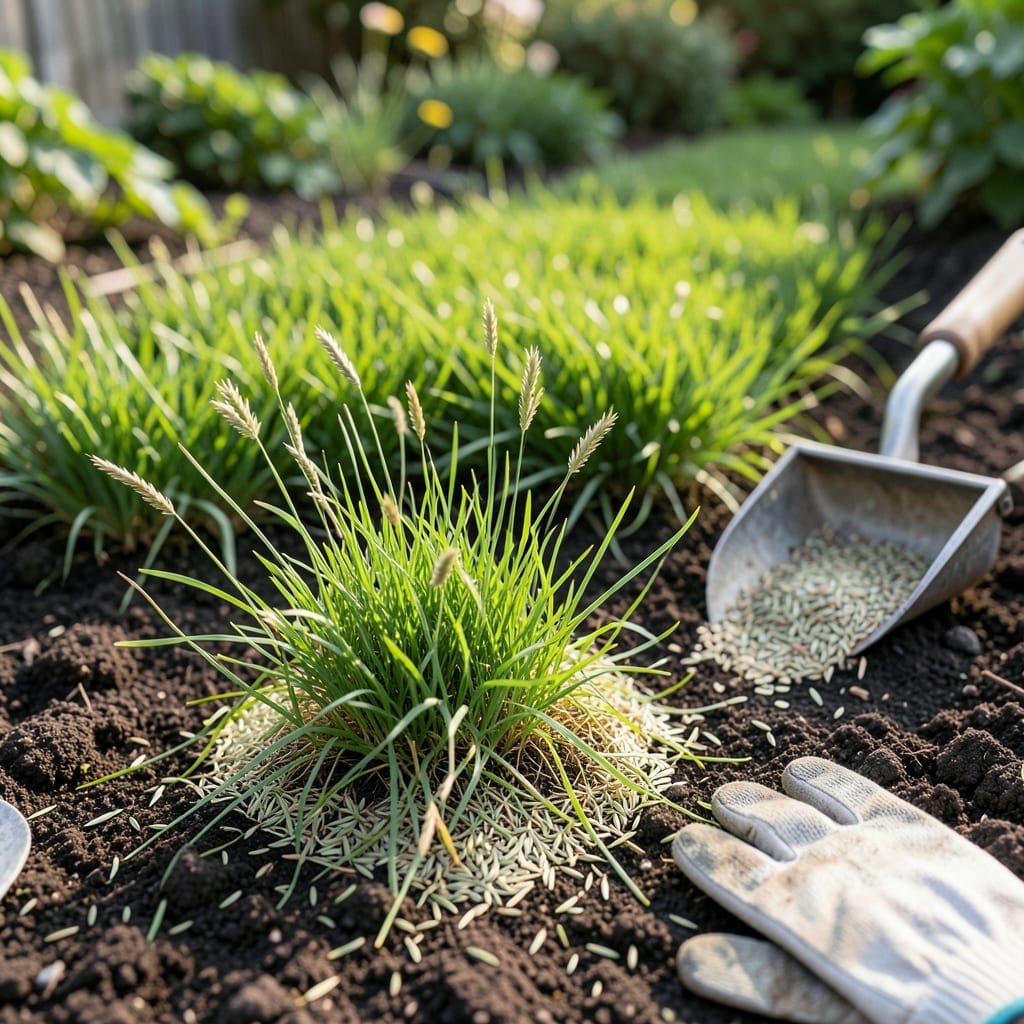
Timing is everything when planting Grass in the spring. Plant too early and frost may kill your seeds. Too late, and summer heat can stress young sprouts.
I know the struggle of watching a lawn fail because of poor timing. That’s why getting the schedule right for your climate zone is the key to success.
The perfect window exists where soil is warm enough but not scorching. For most in zone 6, that sweet spot arrives between April and May.
Discover how to pinpoint that ideal moment for your area. Your lush, green lawn starts with this first, crucial step.
Timing your grass planting in spring can make or break your lawn. I’ve found that cool-season grasses like Kentucky bluegrass thrive when planted early, while warm-season varieties prefer later spring. The key is soil temperature, not just air temperature.
For most regions, soil temps must consistently hit 50-65°F for germination. In northern zones (3-5), this often means late April to early May. Southern gardeners in zones 7-9 may start as early as March for warm-season types like Bermudagrass.
| USDA Zone | Grass Type | Planting Window | Soil Temp |
|---|---|---|---|
| 3-5 | Cool-season | April-May | 50-60°F |
| 6-7 | Cool/warm | March-May | 55-65°F |
| 8-9 | Warm-season | April-June | 65-70°F |
In my experience, cool-season grasses like fescue and ryegrass establish best when planted 2-3 weeks before the last frost. This gives roots time to develop before summer heat arrives. I always check my local frost dates to fine-tune timing.
For warm-season grasses, waiting until soil warms to 65°F is crucial. Planting too early in cool soil can cause poor germination. In zone 6, I’ve had success with Zoysia in mid-May when nights stay above 55°F.
Soil moisture matters as much as temperature. Spring rains can help, but I recommend watering lightly after seeding if nature doesn’t cooperate. Keep the top inch of soil consistently damp for the first 2-3 weeks.
Don’t overlook grass seed types. In transition zones like zone 6, I use tall fescue for its drought tolerance. For northern lawns, Kentucky bluegrass offers that lush, green look but needs more water.
Remember that microclimates in your yard can affect timing. South-facing areas warm up faster, so I sometimes plant there a week earlier than shady spots. Use a soil thermometer for accuracy.
If you’re overseeding an existing lawn, early spring is ideal before weeds emerge. I’ve found that late March works well in zone 5 for this. Just avoid planting when nighttime temps drop below 40°F.
Finally, consider your lawn goals. For quick establishment, I use ryegrass mixes that germinate in 5-7 days. For long-term durability, tall fescue is my go-to, though it takes 10-14 days to sprout. 🌱
Proper soil preparation is the foundation of a thriving lawn. I always start by testing my soil pH, aiming for a 6.0-7.0 range for most grass types. This simple step can save weeks of frustration later.
Once I know my soil’s condition, I remove debris and loosen the top 4-6 inches with a garden fork or tiller. This helps roots penetrate easily and improves water drainage for new seedlings.
Adding organic matter like compost improves both sandy and clay soils. I mix in 2-3 inches of compost to boost fertility. This gives grass seeds the nutrients they need for strong germination.
For compacted areas, I use a core aerator to pull small plugs of soil. This creates air pockets that help roots grow deeper. In my experience, this step makes a noticeable difference in lawn density.
After amending, I level the surface with a rake to create a smooth seedbed. Uneven ground can lead to poor water distribution and bare spots. I also lightly firm the soil to ensure good seed-to-soil contact.
Finally, I apply a starter fertilizer high in phosphorus to promote root development. This gives new grass the best possible start.