
Beautiful Plants For Your Interior
Beautiful Plants For Your Interior
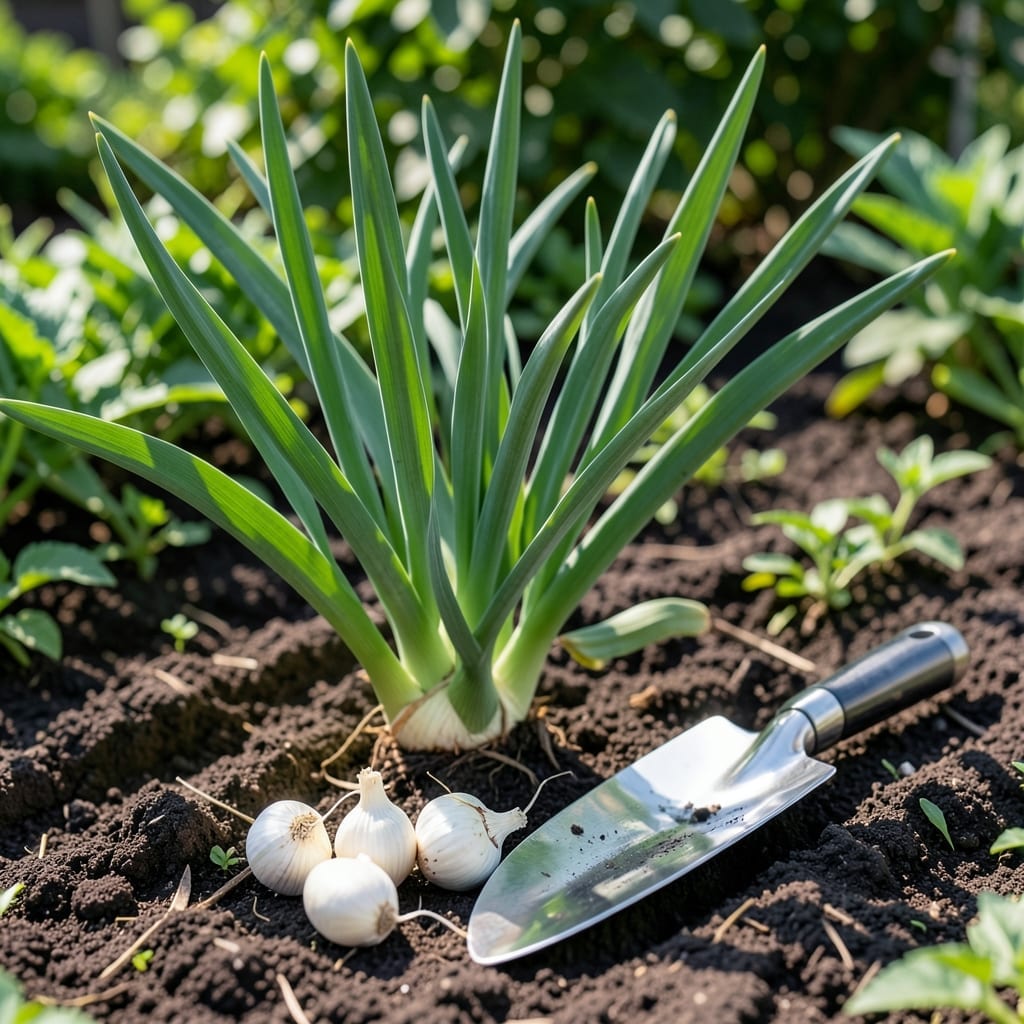
Timing is everything when planting 🧄 Garlic in Michigan. Plant too early or too late, and you risk poor bulbs or winter damage.
As a Zone 5b-6a gardener, you have a narrow window to get this right. The difference between a bountiful harvest and disappointment often comes down to just a few weeks.
I’ve seen gardeners struggle with this same question every year. The good news? There’s a proven schedule that works for our climate, whether you’re planting in fall or spring.
Discover the exact timing that’ll give your Garlic the best start, plus the simple tricks to ensure strong, healthy bulbs come harvest time.
In Michigan’s Zone 5, timing your garlic planting correctly ensures strong root development before winter. The best window is 4-6 weeks before the ground freezes, typically mid-October to November. This allows cloves to establish roots without sprouting tops.
For spring planting, wait until soil temperatures reach 60°F, usually late April in Michigan. However, fall-planted garlic generally yields larger, more flavorful bulbs and is preferred for hardneck varieties like German White or Rocambole.
| Season | Best Time | Variety | Notes |
|---|---|---|---|
| Fall | Mid-Oct to Nov | Hardneck | Largest bulbs, best flavor |
| Spring | Late April | Softneck | Smaller yield, milder taste |
| Soil Temp | 50-60°F | – | Critical for root growth |
Fall planting is the gold standard for Michigan gardeners. The cold winter period triggers clove differentiation, which is essential for forming those plump, multi-clove bulbs we love. I always aim to get my cloves in the ground after the first frost but before the soil freezes solid.
If you miss the fall window, spring planting is still possible, but you’ll need to be more diligent. Softneck varieties like Silverskin or Artichoke adapt better to spring planting. Just remember, they’ll likely produce smaller bulbs and may not store as long as their fall-planted counterparts.
For both seasons, soil preparation is key. I work in plenty of compost and ensure good drainage to prevent rot. pH levels between 6.0-7.0 are ideal. A 2-inch mulch layer after planting helps protect cloves from temperature swings.
In Zone 5, our first frost typically hits around October 15, so I start planting my hardneck garlic around October 1. This gives the roots about a month to grow before winter sets in. The cloves won’t sprout above ground, but they’ll develop a strong root system underground.
For spring plantings, I wait until the soil is workable and has warmed to at least 50°F. In Michigan, this is usually late April. I plant the cloves 2 inches deep and 6 inches apart, with rows 12 inches apart for good air circulation.
Remember, garlic needs full sun – at least 6-8 hours of direct sunlight daily. In Michigan’s climate, a south-facing bed is ideal. I also recommend rotating your planting location yearly to prevent disease buildup in the soil.
Whether you choose fall or spring planting, consistency in watering is crucial. Keep the soil evenly moist but not waterlogged. In Michigan’s unpredictable weather, I find that drip irrigation works best to maintain consistent moisture levels.
Finally, be patient! Garlic has a long growing season – about 240 days from planting to harvest. But the wait is worth it when you pull those beautiful bulbs from the ground in July or August ☀️
For Michigan gardeners, proper soil preparation is the foundation of a great garlic harvest. I always start by choosing a well-draining location with full sun exposure, as garlic thrives in these conditions.
Begin by loosening the soil to a depth of 12 inches and mixing in 2-3 inches of aged compost or well-rotted manure. This improves both fertility and drainage, which are crucial for preventing rot.
In Michigan’s climate, I’ve found that straw mulch works best for winter protection. It insulates the soil, preventing frost heave that can push cloves out of the ground during freeze-thaw cycles.
For fall plantings, I recommend adding an extra 4-6 inches of mulch after the ground freezes. This provides additional insulation against harsh winter temperatures that can dip below 0°F in Zone 5.
After planting, I mark my rows with stakes or labels. This helps me remember where the garlic is located, especially important in early spring before shoots emerge. It also prevents accidental disturbance of the bed during other garden tasks.
Remember that garlic is a heavy feeder. In early spring, I apply a balanced fertilizer like 10-10-10 or work in more compost. This gives the plants the nutrients they need for strong bulb development ☀️