
Beautiful Plants For Your Interior
Beautiful Plants For Your Interior
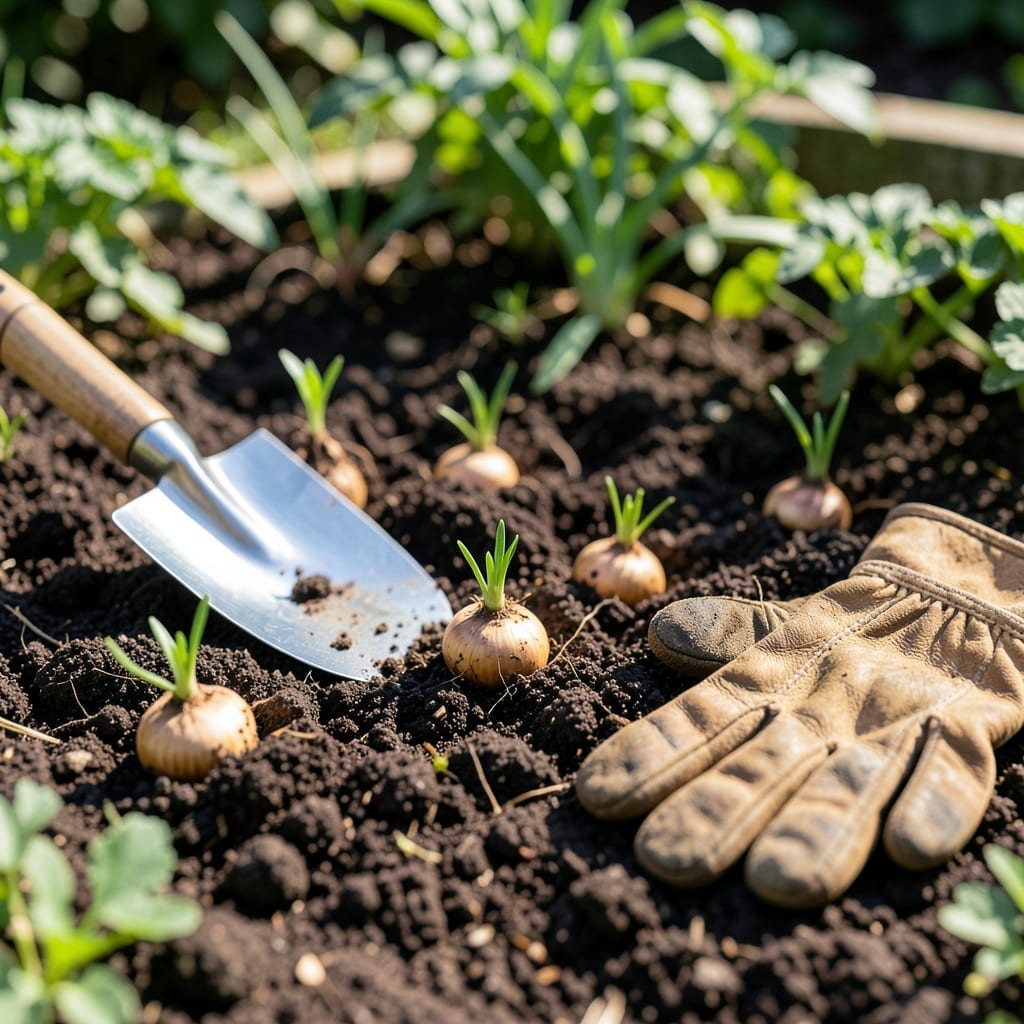
Imagine stepping outside next spring to find your garden bursting with color. That dream starts now, with fall bulb planting. Timing is the key to making it happen.
I’ve learned that planting too early or too late can ruin your spring display. For most of us in Zone 6, the sweet spot is September through October.
The 🌷 Bulbs need time to establish roots before winter hits. Get this right, and you’ll be rewarded with vibrant blooms when winter fades.
Let me walk you through exactly when and how to plant your bulbs this fall for the most stunning spring garden possible.
Timing your fall bulb planting perfectly means understanding your USDA zone. Each region has its own window when soil temperatures are just right for root development.
In colder zones like 3-4, you’ll want to plant tulips and daffodils in late September to early October. Warmer zones like 8-10 can wait until November or December.
| USDA Zone | Planting Window | Key Bulbs |
|---|---|---|
| 3-4 | Late Sept – Early Oct | Tulips, Daffodils |
| 5-6 | Mid Oct – Mid Nov | Crocus, Hyacinth |
| 7 | Late Oct – Early Nov | Allium, Iris |
| 8-10 | Nov – Dec | Dahlia, Canna |
The soil temperature should be below 60°F when you plant. This ensures bulbs don’t sprout prematurely. I always check with a soil thermometer to be sure.
For Zone 6 gardeners like me, mid-October is ideal. This gives roots 6-8 weeks to establish before the first hard frost. The bulbs then enter dormancy, ready to burst forth in spring.
Tulips need 6 weeks of chilling, while daffodils can handle 4-6 weeks. If you’re in Zone 8, you might need to pre-chill tulip bulbs in the fridge for 6-8 weeks.
Remember that microclimates matter. A south-facing slope warms up faster in spring, so you might plant a week later there. Conversely, shady north sides stay cooler, so plant a week earlier.
I’ve found that container-grown bulbs need the same timing as in-ground plantings. Just ensure your pots have good drainage to prevent rot during winter thaws.
If you’re unsure about your zone, the USDA Plant Hardiness Zone Map is your best friend. Simply enter your zip code to find your exact zone and adjust your planting schedule accordingly.
Finally, mark your planting dates on a calendar. This helps you track what works best in your garden from year to year. I’ve seen my spring blooms improve dramatically since I started keeping records.
With the right timing, you’ll be rewarded with a spectacular spring display that’s the envy of the neighborhood 🌷
Planting bulbs in fall is more than just digging and dropping. I’ve found that proper depth is crucial—typically 2-3 times the bulb’s height. This ensures roots establish before winter.
For best results, space bulbs 3-6 inches apart to allow for growth. Crowding can lead to weak stems and smaller blooms next spring.
I always test soil drainage before planting. Dig a 12-inch hole, fill it with water, and see how quickly it drains. Bulbs hate soggy feet.
For extra impact, I mix bulb types. Plant tulips and daffodils together for layered color. The daffodils often bloom first, extending your spring display.
After planting, I water deeply once a week until the ground freezes. This encourages strong root growth before winter dormancy.
Remember, the earlier you plant, the better the root system develops. But don’t plant too early or bulbs may sprout prematurely.
With these tips, you’ll see bigger, brighter blooms come spring 🌷