
Beautiful Plants For Your Interior
Beautiful Plants For Your Interior
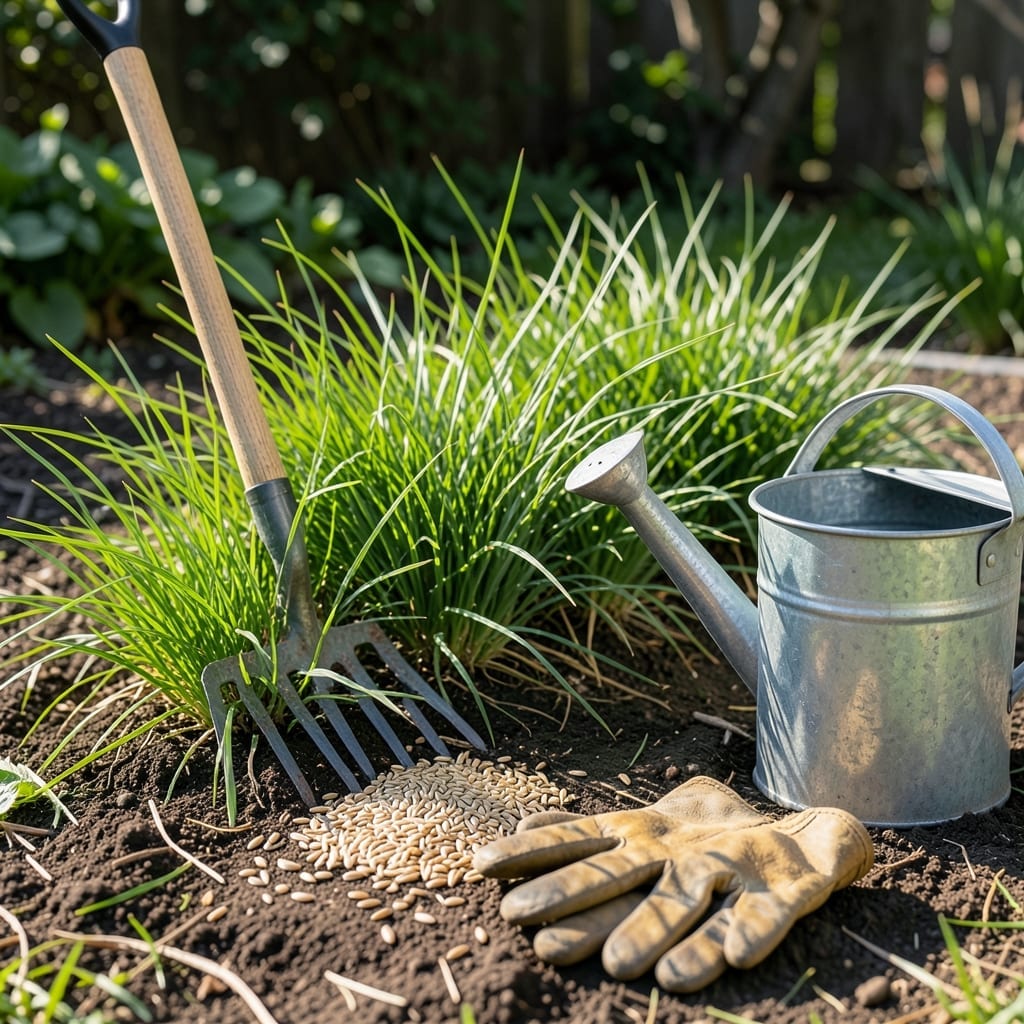
Timing is everything when establishing that perfect 🌱 Bermuda Grass lawn in Texas. Plant too early, and a late frost could wipe out your efforts. Wait too long, and the brutal summer heat might stress your young turf before it can take root.
Texas’ vast climate zones (8a-10b) mean conditions vary, but there’s a sweet spot that works across most of the state. The window is narrower than you might think, and missing it can mean the difference between a lush, green carpet and a patchy disappointment.
I’ve seen homeowners struggle with this timing year after year, but the solution is simpler than it seems. There’s a 3-month period that consistently delivers the best results for Bermuda Grass seed in Texas.
Discover the exact timing that gives your seed the strongest start, along with the soil conditions that make all the difference. Let’s get your lawn off to the right start this season.
Timing your Bermuda Grass planting in Texas isn’t one-size-fits-all. The Lone Star State spans USDA zones 8a-10b, meaning North Texas and South Texas have vastly different climate realities. I’ve learned the hard way that what works in Houston won’t always fly in Amarillo.☀️
The golden rule? Soil temperature must hit 65°F for reliable germination. That’s your non-negotiable baseline. From there, regional frost dates and summer heat intensity fine-tune the calendar. Here’s how to nail it in your part of Texas.
| Region | Optimal Months | Soil Temp Target | Key Consideration |
|---|---|---|---|
| North Texas | Mid-April to May | 65-70°F | Avoid late frost risk |
| Central Texas | April to early June | 65°F+ | Balanced warmth and moisture |
| South Texas | March to May | 70°F+ | Beat summer drought stress |
In North Texas, I wait until mid-April to dodge those sneaky late frosts. The Dallas-Fort Worth area can dip unexpectedly, and Bermuda Grass seedlings are tender. A soil thermometer is your best friend here—don’t guess.
Central Texas hits the sweet spot from April to early June. Austin and San Antonio enjoy warmer soils earlier, but planting too late means battling summer drought. Aim for consistent 70°F days and 50°F nights for ideal conditions.
Down in South Texas, you can start as early as March. Corpus Christi and Brownsville rarely see frost after February. But here’s the catch: plant before May to avoid the scorching heat that stresses new grass.🌱
Pro tip: Use a soil thermometer at 2-inch depth. If it reads 65°F for 3 consecutive days, you’re good to go. This simple step prevents costly mistakes I’ve seen many gardeners make.
For hull vs. unhulled seed, hulled germinates faster but costs more. In Texas’ quick-growing season, I recommend hulled seed for faster establishment. Just be sure to keep the soil moist during the first 7-14 days.
Remember, Bermuda Grass loves full sun—at least 6-8 hours daily. If your yard has shady spots, consider a different grass type. This sun-loving variety thrives in Texas’ open spaces but struggles under trees.
Finally, watch the 10-day forecast before planting. If a cold snap or heatwave is coming, delay your project. Patience here saves weeks of heartache later. The right timing means stronger roots and a lawn that’ll last for years.🌿
Planting Bermuda grass seed in Texas requires more than just good timing. I’ve found that proper soil preparation is the foundation for a thriving lawn. Start by testing your soil’s pH—6.0 to 7.0 is ideal for Bermuda grass.
Remove any weeds or debris and loosen the top 4-6 inches of soil. This ensures your Bermuda grass seeds make good contact with the earth, which is critical for germination. ☀️
Choosing between hulled and unhulled seeds can impact your results. Hulled seeds germinate faster but are more expensive, while unhulled seeds are budget-friendly but take longer to sprout.
Spread the seeds evenly using a broadcast spreader for large areas. For smaller patches, hand-sowing works fine. Lightly rake the seeds into the soil to ensure good soil contact, which boosts germination rates. 🌱
Watering is crucial in the first two weeks. Keep the soil consistently moist but not waterlogged. I recommend watering lightly twice a day if temperatures are high to prevent the soil from drying out.
Once your Bermuda grass reaches about 3-4 inches, it’s time for the first mow. Set your mower to a high setting to avoid stressing the young grass. With proper care, you’ll see a lush, green lawn in no time. ✂️