
Beautiful Plants For Your Interior
Beautiful Plants For Your Interior
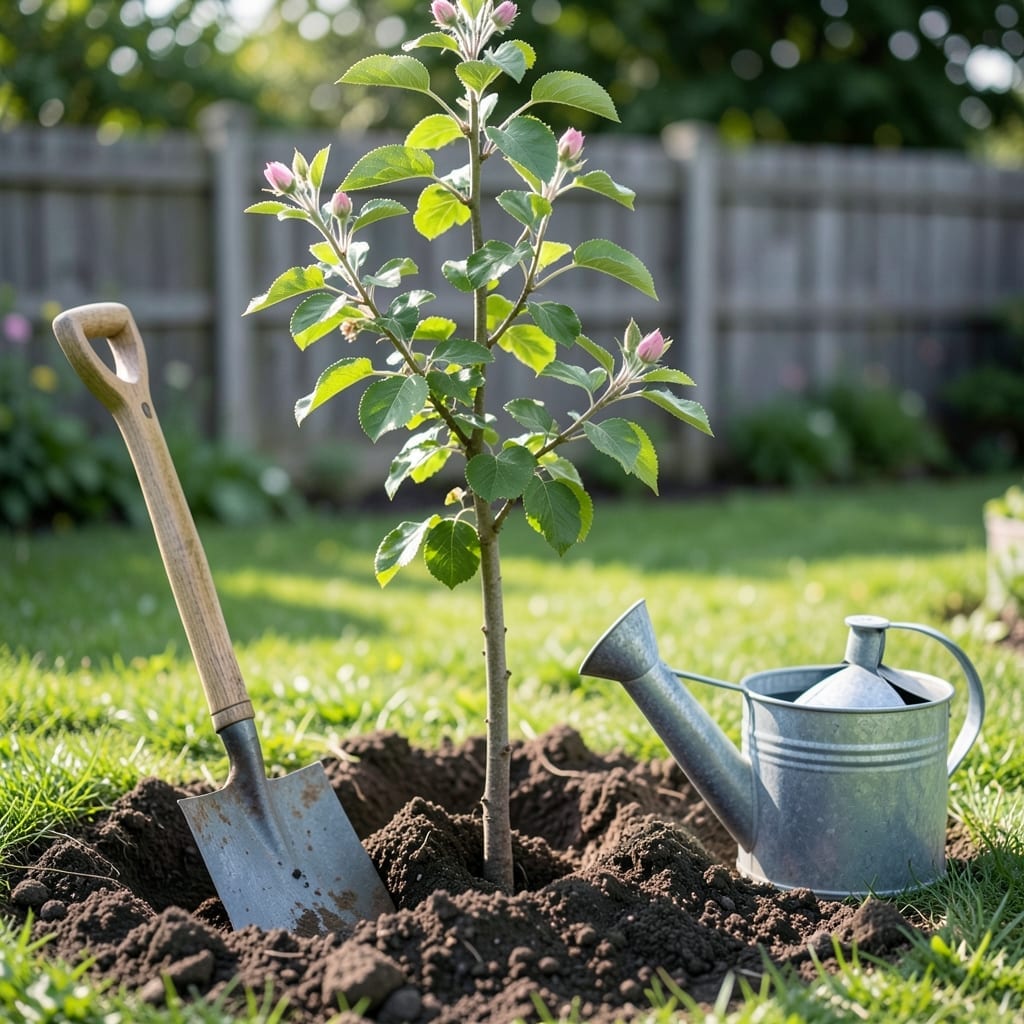
Planting fruit trees at the right time is the key to a thriving orchard that yields bountiful harvests for years. Timing impacts root establishment, disease resistance, and overall tree longevity.
I’ve seen 🌳 Fruit Trees struggle when planted at the wrong time of year, but flourish when timing aligns with nature’s rhythm. Whether you’re in zone 6 or another climate, the season you choose can make or break your success.
Early spring often gets the spotlight, but fall can be just as ideal in many regions. The secret lies in giving your Fruit Tree the best start possible before stress factors like heat or frost set in.
Let me walk you through how to pinpoint that perfect window for your location. You’ll discover why timing isn’t just about the calendar—it’s about the conditions.
Timing your fruit tree planting correctly can make or break your orchard’s success. I’ve seen trees thrive when planted in early spring or fall, but the ideal window depends on your climate zone and local conditions. 🌳
In cold climates (USDA Zones 3-5), early spring is best—right after the last frost when the soil is workable. This gives roots time to establish before winter. For temperate zones (6-8), both spring and fall work well. 🌿
| Climate Zone | Best Time | Key Consideration |
|---|---|---|
| Cold (3-5) | Early Spring | Avoid late fall frost risk |
| Temperate (6-8) | Spring or Fall | Fall allows root growth before dormancy |
| Warm (9-11) | Late Fall/Winter | Cooler temps reduce transplant shock |
For warm climates (Zones 9-11), late fall or even winter planting is ideal. The cooler temperatures reduce stress on the tree, and autumn rains help roots settle in before the heat returns. ⏰
If you’re in a mild coastal area, you might get away with year-round planting, but I always recommend avoiding the hottest summer months. The stress of heat and drought can stunt a young tree’s growth. ☀️
Another key factor is tree type. Bare-root trees should be planted in late winter or early spring before they break dormancy. Container-grown trees, on the other hand, can go in the ground any time outside of extreme weather. 🪴
Soil preparation is just as critical as timing. I always test my soil for drainage and fertility before planting. Amending with compost or organic matter gives your tree the best start, no matter the season. 💧
Remember, local microclimates matter too. A south-facing slope might warm up earlier in spring, while a low-lying area could stay cold longer. Observing your specific conditions will help you pinpoint the perfect window. 🌡️
For dwarf varieties, the same rules apply, but they’re often more forgiving. Their smaller root systems establish faster, so you might have a bit more flexibility with timing. Still, sticking to the recommended windows is your best bet. ✂️
Finally, always water deeply after planting, regardless of the season. This helps settle the soil and eliminates air pockets around the roots. A 2-3 inch layer of mulch will retain moisture and regulate soil temperature as your tree gets established. 🌱
I’ve found that fall planting gives fruit trees a stronger start in many climates. Cooler air temperatures reduce stress, while warm soil encourages root growth before dormancy.
Autumn rainfall helps settle soil and minimizes watering needs. Trees establish roots in fall, then burst with growth in spring, often outperforming spring-planted counterparts.
In USDA zones 5-7, aim for 6 weeks before first frost. This gives roots time to anchor in soil before winter’s chill sets in.
For frost-sensitive varieties like citrus trees, stick to spring planting to avoid cold damage. These need warm soil and no risk of freezing temperatures.
I always mulch heavily after fall planting to insulate roots and retain moisture. A 3-4 inch layer of wood chips works perfectly for most fruit trees.