
Beautiful Plants For Your Interior
Beautiful Plants For Your Interior
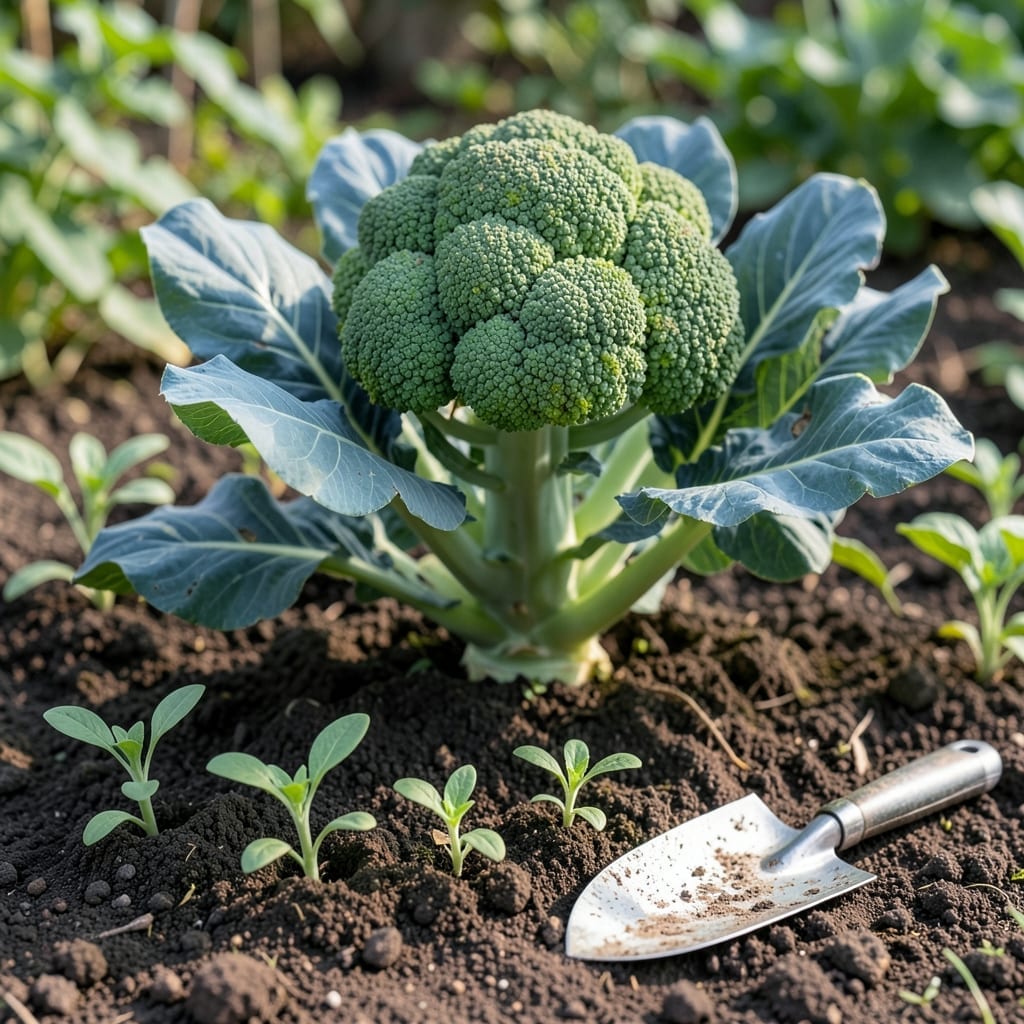
Timing is everything when planting Broccoli—plant too early or too late, and you risk stunted growth or bolted heads.
I’ve learned the hard way that this cool-weather crop thrives when the timing aligns with its needs. Whether you’re in USDA Zone 6 or another region, getting the schedule right means the difference between a bountiful harvest and disappointment.
Discover how to nail the perfect planting windows for spring and fall, so your 🥦 Broccoli has the best chance to flourish. It’s simpler than you think once you know the key factors.
Let me walk you through the seasonal calendar that ensures healthy plants and a harvest you’ll be proud of.
I’ve learned that broccoli thrives in cool weather, making it a spring and fall staple for many gardeners. The key is timing your planting to avoid extreme heat or cold, which can stress the plants and reduce yields.
For most regions, early spring and late summer are ideal. In USDA zones 3-5, start seeds indoors 6-8 weeks before the last frost, while in zones 6-8, you can direct sow 2-3 weeks before the last frost date.
| Climate Zone | Spring Planting | Fall Planting |
|---|---|---|
| Zones 3-5 | Start indoors March-April | Direct sow July-August |
| Zones 6-8 | Direct sow March-April | Direct sow August-September |
| Zones 9-10 | Avoid spring; plant October-November | Not recommended |
In warmer zones 9-10, broccoli struggles in summer heat, so I recommend planting in fall or winter instead. This ensures the plants mature during cooler months, avoiding bolting or poor head formation.
For fall planting, timing is critical. Count back 8-10 weeks from your first expected frost. This gives the plants enough time to mature before cold weather sets in. In zone 6, that means sowing seeds in late July to early August.
I always remind gardeners to check local frost dates. A soil temperature of 40-85°F is ideal for germination. Use a soil thermometer to confirm conditions before sowing.
Broccoli tolerates light frost, which can even improve its flavor. However, hard freezes will damage or kill the plants. In colder zones, use row covers to extend the growing season.
If you’re in a mild winter region, like zone 8, you can plant broccoli in late fall for a winter harvest. The plants will grow slowly during cooler months and produce heads in early spring.
For container gardening, the same timing rules apply. Ensure your pots are at least 12 inches deep and provide consistent moisture. Broccoli has a deep root system, so don’t skimp on container size.
Finally, remember that succession planting can extend your harvest. Sow a new batch of seeds every 2-3 weeks in early spring or late summer for a continuous supply of fresh broccoli. 🌱
Choosing between spring and fall planting for broccoli can make or break your harvest. I’ve found that spring planting offers an early crop but demands vigilance against pests and bolt risks as temperatures rise.
Fall planting, on the other hand, often yields sweeter, more tender heads with fewer pest issues. The cooler temperatures of autumn create ideal growing conditions for this cool-weather crop.
In my experience, fall planting often produces the best results for home gardeners. The milder weather reduces stress on plants and often leads to larger, more flavorful heads of broccoli.
For spring planting, I recommend starting seeds indoors 6-8 weeks before your last frost date. This gives seedlings a strong start before transplanting into the garden.
With fall planting, timing is critical. Aim to have seedlings in the ground 6-8 weeks before your first expected frost. This ensures they mature before cold weather hits.
Both seasons require consistent moisture and fertile soil. I always amend my beds with compost before planting and maintain even watering to prevent stress. ☀️