
Beautiful Plants For Your Interior
Beautiful Plants For Your Interior
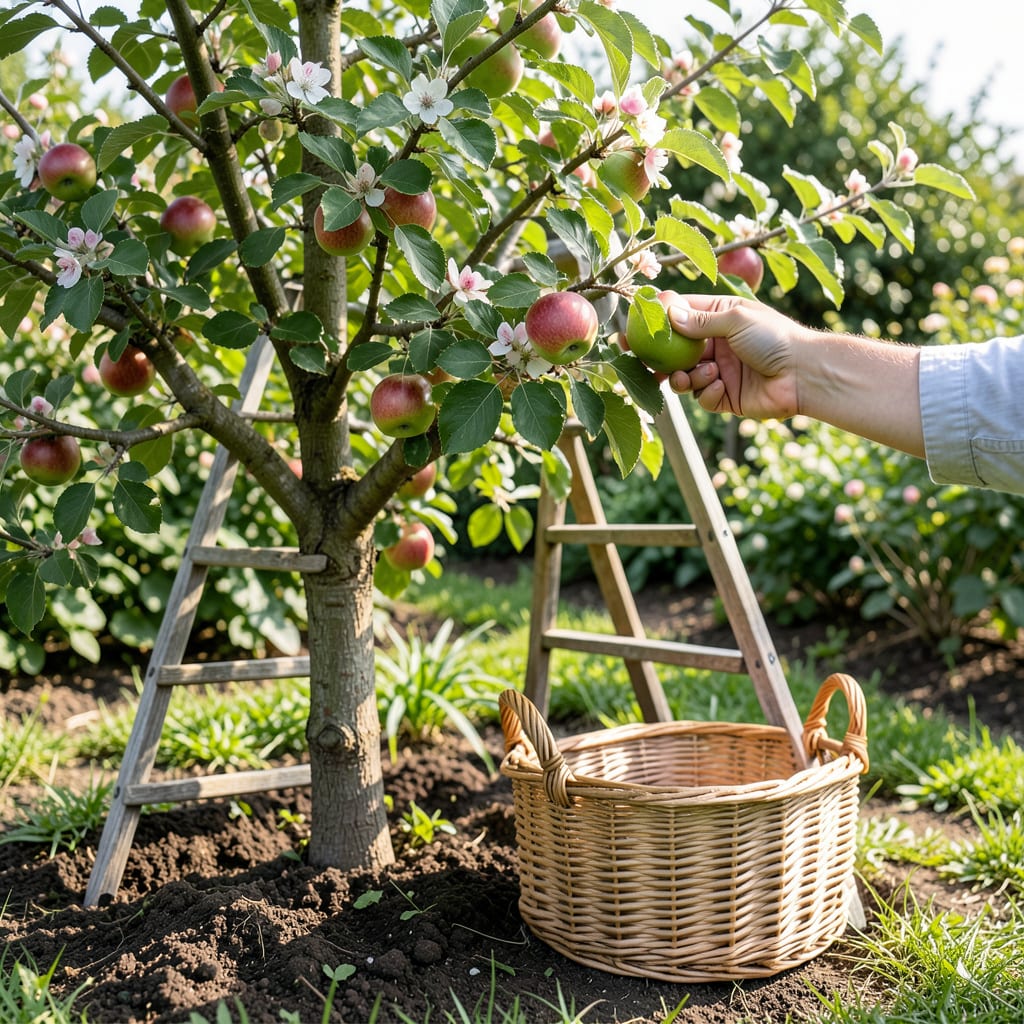
Nothing beats the crisp snap of a freshly picked 🍎 apple from your own tree. But how do you know when it’s truly ready?
I’ll show you the simple tests to determine perfect ripeness, so you can enjoy your harvest at its peak flavor and store it for months to come.
Timing your apple harvest perfectly means the difference between tart disappointment and sweet, crisp perfection. I always check multiple signs before picking.
From color changes to the classic twist test, these methods help you nail the ideal moment every time. ☀️
| Ripeness Test | What to Look For |
|---|---|
| Color Change | Deep red, yellow or golden hue replaces green |
| Seed Color | Brown or black seeds inside indicate maturity |
| Taste Test | Sample one – should taste sweet and juicy |
| Twist Test | Stem separates easily when lifted and twisted |
| Days from Bloom | 120-180 days depending on variety |
The color change test is often the first visible sign. Most apples transition from green to red, yellow, or a mix as they ripen.
But color alone can be misleading – some varieties stay partially green even when ripe. That’s why I always combine this with other tests. 🌳
Cutting open an apple reveals the seed color. When they turn from white to brown or black, your apples are nearing perfect ripeness.
This method works great for Fuji or Gala apples, but may not be as reliable for all varieties.
The taste test is my favorite – it’s foolproof! Pick one apple and sample it. A sweet, juicy bite means it’s time to harvest the rest.
Just
For the twist test, gently lift and twist the apple. If it comes off easily with the stem intact, it’s ready to pick.
This works best with mature trees – younger trees might hold onto fruit more tightly.
Different apple varieties ripen at different times, so knowing your tree’s type is crucial. I’ve found that early varieties often ripen in late summer, while others need until fall.
Regional climate differences also play a role – apples in warmer zones may ripen 2-3 weeks earlier than in cooler areas. 🌳
| Variety | Harvest Window | Season |
|---|---|---|
| Gala | Late August to early September | Early |
| Fuji | Mid-September to October | Mid |
| Granny Smith | October to early November | Late |
| Honeycrisp | Mid-September to October | Mid |
Early-season apples like Gala are perfect for fresh eating right off the tree. They typically ripen 90-120 days after bloom.
Mid-season varieties such as Fuji and Honeycrisp offer a balance of sweetness and crispness. These usually need 120-150 days to mature.
Late-season apples like Granny Smith are ideal for storage. They often require 150-180 days and can be kept for months in proper conditions.
Remember that local conditions affect ripening. In my experience, cooler climates may extend the harvest window by a few weeks. 🌱
Picking apples at the wrong time can lead to disappointing results. I’ve learned that timing affects not just taste but also how well the fruit stores. 🌳
An underripe apple will be starchy, sour and lack sweetness, while an overripe one turns mushy and mealy.
If you’ve picked underripe apples, try storing them in a paper bag with a ripe banana to speed up ripening. This works best for early varieties like Gala.
For overripe apples, use them quickly or turn them into apple sauce or cider. They won’t store well but can still be delicious when processed immediately. 🌱
In my experience, the best approach is to check your apples daily as they near maturity. That way, you can catch them at their peak before they pass it.
The twist test is simplest: gently lift and twist the apple. If it comes off easily with the stem intact, it’s ready. This works best for most varieties.
Only if they’re supposed to be green, like Granny Smith. Most varieties need to develop their full color. Underripe apples will be starchy and sour, even if they turn color later.
Warmer areas may see apples ripen 2-3 weeks earlier than cooler regions. Check your local frost dates and watch for ripeness signs as the season progresses.
Overripe apples become mushy and mealy. They won’t store well but can be used immediately for sauce or cider. Daily checks near harvest time prevent this.
