
Beautiful Plants For Your Interior
Beautiful Plants For Your Interior
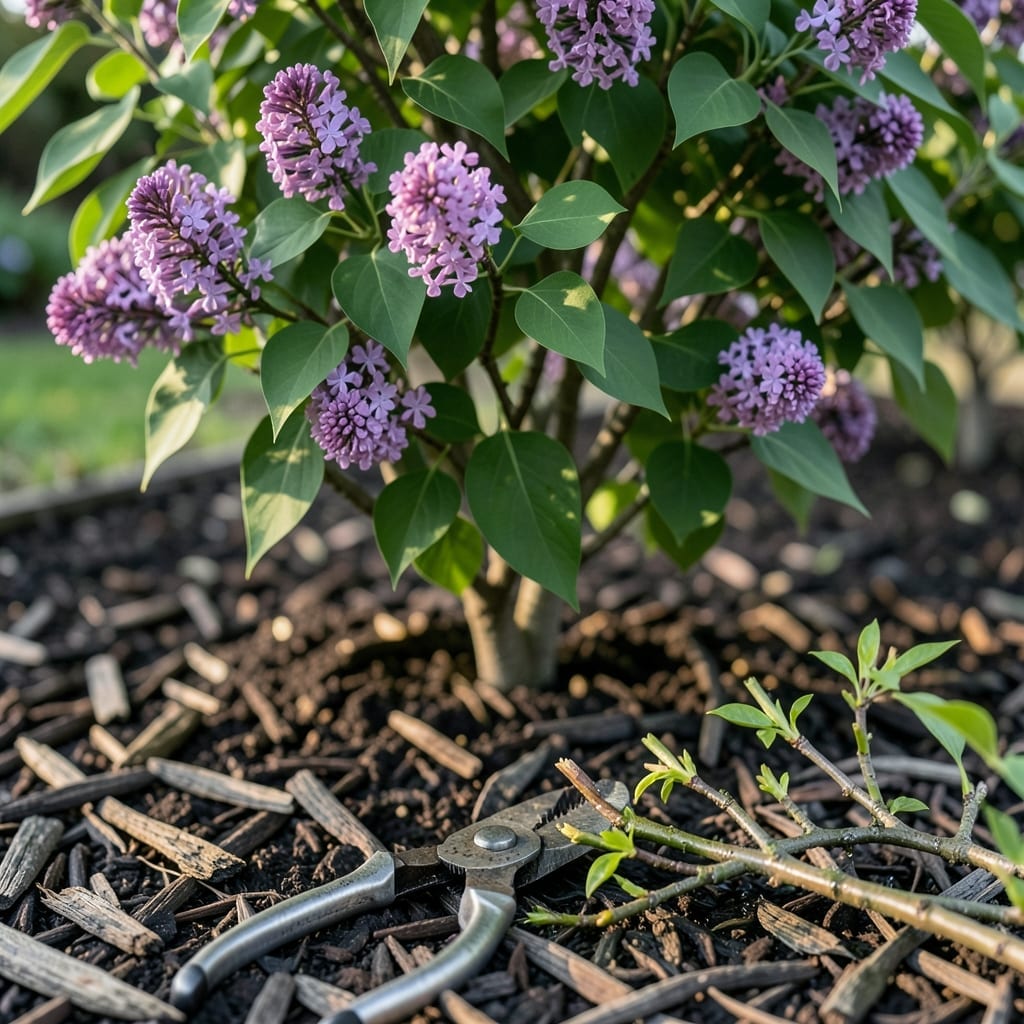
Pruning your 🌸 Lilac at the wrong time can cost you a season of blooms. I learned this the hard way when my shrubs refused to flower one spring.
Timing is everything with these beautiful plants. The key is understanding their growth cycle and when they set buds for next year.
Discover the perfect window to prune your Lilac for healthier growth and more abundant flowers each season.
I always remind gardeners that lilacs bloom on old wood. This means the buds for next year’s flowers form right after the current blooms fade. Pruning at the wrong time can remove these vital buds.
The ideal pruning window is immediately after your lilac finishes blooming in spring. This timing allows the plant to recover and develop new flower buds for the following year.
In most regions, this means you’ll be pruning your lilacs in late May or early June. I’ve found this timing works perfectly for common lilac varieties like Syringa vulgaris.
If you miss this window, don’t prune in fall or winter. Late pruning removes the buds that would have become next year’s flowers. I learned this lesson when I pruned in autumn and had no blooms the following spring.
For reblooming lilacs like ‘Bloomerang’, you can do a light pruning after their first bloom and then again after their second flush. This encourages more flowers and maintains a neat shape.
The science behind this is simple: lilacs start forming next year’s flower buds as soon as the current blooms fade. Pruning within 2-3 weeks after blooming gives the plant enough time to recover and set new buds.
I recommend marking your calendar when your lilacs start blooming. This way, you’ll know exactly when to prune. For me, it’s become an annual ritual that ensures my lilacs stay healthy and produce abundant flowers.
Remember, light pruning is better than heavy pruning. Remove no more than 1/3 of the plant at a time. This prevents shocking the shrub and promotes steady growth.
With the right timing, your lilacs will reward you with bigger, more vibrant blooms each year. It’s amazing how much difference proper pruning makes in the health and appearance of these beautiful shrubs. ✂️
I’ve seen many gardeners make the mistake of pruning their lilac bushes in fall or winter. This timing removes the flower buds that have already formed for next year, resulting in no blooms the following spring.
Another common error is pruning too early in spring. While this might not remove buds, it can weaken the plant by forcing it to use energy to recover when it should be focusing on growth and flower development.
Pruning outside the 2-3 week window after blooming can remove next year’s flowers or stress the plant during active growth.
Winter pruning is particularly risky. The cold temperatures can damage fresh cuts, making the plant more susceptible to disease. I’ve learned to avoid pruning from late summer through early spring.
If you do prune at the wrong time, don’t panic. Lilacs are hardy plants. With proper care, they’ll often recover within a year or two. Focus on providing good water and nutrients to help them bounce back.
For severely overgrown lilacs, you can do a rejuvenation pruning in early spring. Cut back about 1/3 of the oldest stems to the ground. Do this over 3 years to avoid shocking the plant completely.
Remember, the best recovery comes from proper timing in future years. Mark your calendar for right after blooming, and your lilacs will reward you with beautiful, fragrant flowers each spring. ✂️