
Beautiful Plants For Your Interior
Beautiful Plants For Your Interior
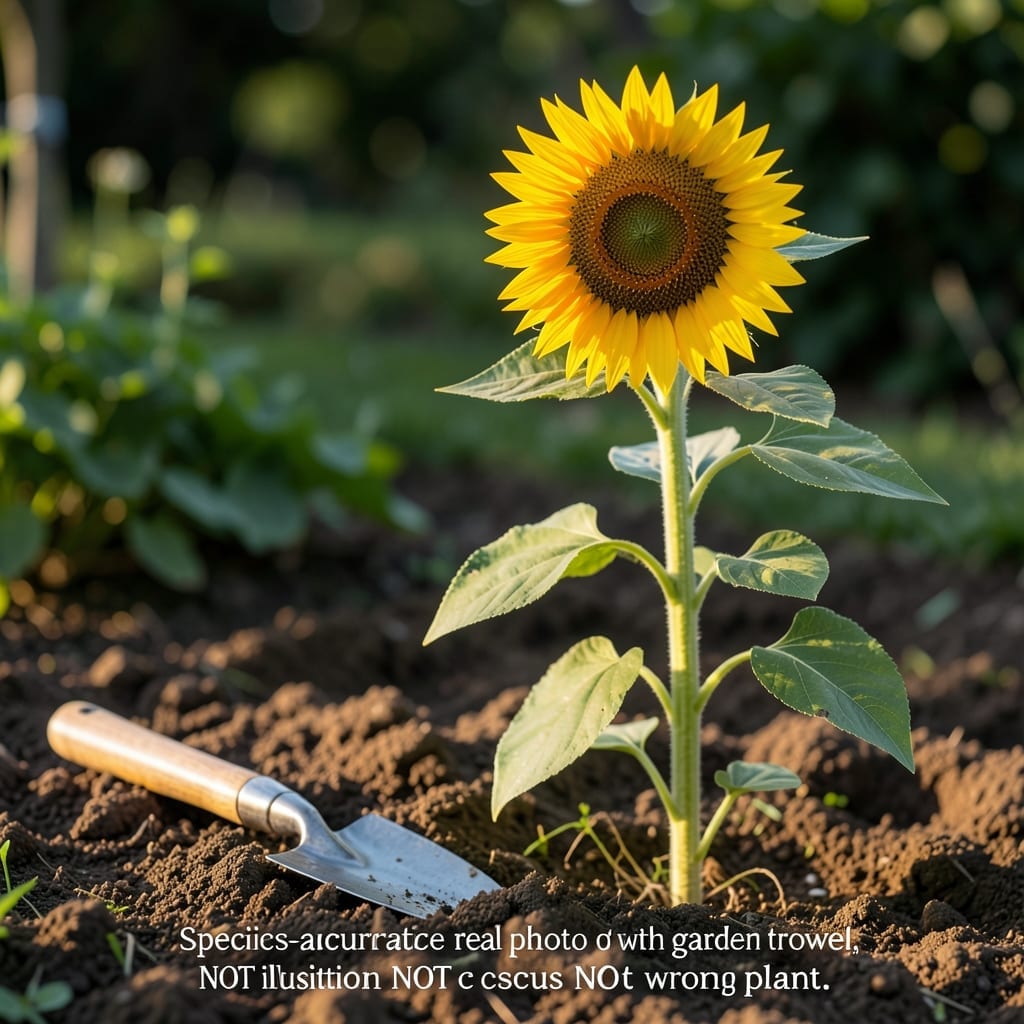
Timing is everything when planting Sunflower seeds in Florida’s unique climate. Plant too early or too late, and your 🌻 may struggle against heat, humidity, or unexpected cold snaps.
Florida’s USDA zones 8a-10b offer a long growing season, but getting it right means understanding local patterns. The difference between thriving sunflowers and a failed crop often comes down to just a few weeks.
Whether you’re a seasoned gardener or just starting out, knowing the best windows for planting can make all the difference. I’ll walk you through the key timing considerations for Florida’s climate.
From frost dates to rainfall patterns, we’ll cover everything you need to plant your Sunflower seeds with confidence. Let’s get started.
Florida’s diverse climate means planting windows vary significantly across its USDA zones 8a-10b. Timing your sunflower seeds correctly ensures strong germination and healthy growth before summer heat or winter cold sets in.
I’ve found that soil temperature is the most critical factor—aim for 55-60°F at planting depth. Florida’s zones let you plant earlier than most states, but local microclimates can shift the ideal window by weeks.
| Zone | Ideal Planting Months | Last Frost Date |
|---|---|---|
| 8a-8b | Late Feb–Early April | Feb 15 |
| 9a-9b | Mid Feb–March | Jan 30 |
| 10a-10b | Jan–Early March | No frost |
In Zone 8, I wait until after February 15 to avoid rare late frosts. The soil warms quickly here, so seeds sprout within 7-10 days if conditions are right.
For Zone 9, you can start as early as mid-February. The risk of frost is minimal, but I still check 10-day forecasts for unexpected cold snaps that could stunt young seedlings.
Zone 10 gardeners have the most flexibility. You can plant as early as January, but I recommend waiting until late January to avoid cool, damp soil that slows germination.
A second planting window opens in September-October for all zones. This lets you grow a fall crop before winter sets in. Just ensure seeds are in the ground 60-80 days before your first frost.
Florida’s rainy season (June–October) can complicate things. I avoid planting during heavy rains, as soggy soil can rot seeds. If you must plant, use raised beds for better drainage.
For best results, plant seeds 1 inch deep and 6 inches apart. Sunflowers need full sun (6+ hours daily), so choose a spot with unobstructed sunlight.
If you’re in a coastal area, watch for salt spray and wind. I’ve found that dwarf varieties like ‘Sunspot’ handle these conditions better than taller types.
Always test soil moisture before planting. If the top inch is dry and soil temp is 55°F+, conditions are perfect for sunflower seeds. 🌻
Not all sunflowers handle Florida’s intense heat and humidity equally. I’ve found that choosing the right variety makes a huge difference in your garden’s success.
For Florida’s climate, look for drought-tolerant and heat-resistant types. Varieties like ‘Moulin Rouge’ and ‘Autumn Beauty’ thrive in these conditions. 🌻
| Variety | Maturity Time | Drought Resistance |
| Moulin Rouge | 60-70 days | High |
| Sunspot | 50-60 days | Medium |
| Autumn Beauty | 80-90 days | High |
‘Moulin Rouge’ is a favorite for its deep red blooms and excellent heat tolerance. It grows well in both North and South Florida, reaching about 5-6 feet tall.
‘Sunspot’ is perfect for smaller spaces, staying compact at 2-3 feet. It’s great for containers and handles humidity beautifully. I love its cheerful yellow faces. 🌼
‘Autumn Beauty’ offers a mix of warm colors and grows 6-8 feet tall. Its long stems make it ideal for cut flowers, and it resists many common pests.
For best results, plant these varieties during Florida’s coolest months. This timing helps them establish strong roots before the summer heat kicks in.