
Beautiful Plants For Your Interior
Beautiful Plants For Your Interior
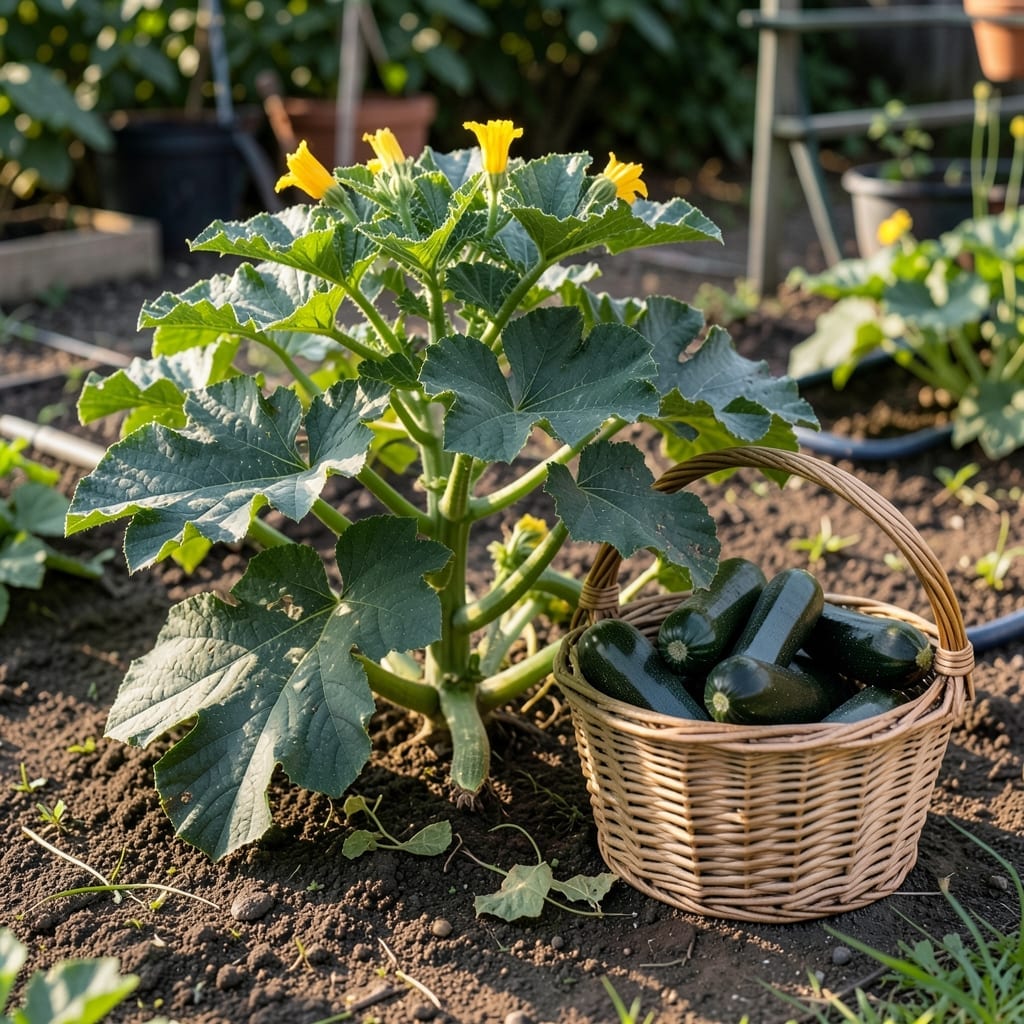
There’s nothing quite like the satisfaction of harvesting your first homegrown 🥒 Zucchini of the season. As a gardener, timing is everything when it comes to this prolific summer squash.
In most regions, you’ll want to get those seeds in the ground when the soil warms up in spring. The key is waiting until the danger of frost has passed, which for zone 6 typically means late April or early May.
What many don’t realize is that zucchini has a relatively short window from planting to harvest. With proper timing, you could be enjoying fresh zucchini in as little as 45 to 60 days after planting.
Let me walk you through the ideal planting and harvesting timeline so you can maximize your zucchini yield this growing season.
I’ve found that zucchini thrives in warm weather, making it a classic summer squash for most gardeners. The key is planting after the last frost when soil temps hit 60°F. This ensures seeds germinate quickly and plants establish strong roots.
In my experience, USDA zones 3-4 start seeds indoors in late April, while zones 5-7 can direct sow in mid-May. Warmer zones like 8-11 enjoy a longer season, often planting as early as March for multiple harvests.
| Region | Planting Time | Harvest Window |
| Cool Climates (Zones 3-4) |
Late May to early June | July to September |
| Moderate Climates (Zones 5-7) |
Mid-April to May | June to October |
| Warm Climates (Zones 8-11) |
February to March | May to November |
I always remind gardeners that frost is the enemy of zucchini. Even a light frost can damage plants, so I wait until all danger has passed. In my zone 6 garden, I aim to plant around Mother’s Day for the best results.
For those in hotter regions, like the Southwest, I suggest planting in early spring or late summer to avoid the intense midday heat. Zucchini loves warmth but can struggle if temperatures exceed 90°F consistently.
I’ve noticed that succession planting works wonders for extending the season. By sowing new seeds every 2-3 weeks, I keep a steady supply of zucchini coming in. This is especially useful in areas with long growing seasons.
In cooler coastal areas, I recommend using black plastic mulch to warm the soil faster. This trick can give you a 2-week head start on planting and harvesting.
I also pay close attention to soil moisture during the growing season. Zucchini plants need 1-2 inches of water per week, especially when fruits are forming. I water deeply in the early morning to prevent disease.
For gardeners in short-season areas, I suggest choosing fast-maturing varieties like ‘Early Prolific’ or ‘Eight Ball’. These can go from seed to harvest in as little as 45 days, giving you more time to enjoy your crop.
Finally, I always mark my first and last frost dates on the calendar. This helps me plan not just for zucchini, but for all my warm-season crops. In my experience, keeping a garden journal with these dates makes seasonal planting much easier.
Remember, local microclimates can affect your planting schedule. I check with my local extension office for the most accurate information for my specific area. This small step can make a big difference in your zucchini success. ☀️
Knowing when to pick zucchini ensures the best flavor and texture. I look for 6-8 inch long fruits with shiny, firm skin as the first signs of readiness. The stem should still be tender and easy to snap.
If the zucchini skin appears dull or the fruit feels soft, it’s likely overripe. I always check for these visual cues before harvesting to avoid tough, seedy squash. Harvesting at the right time keeps the plant productive all season long.
I recommend using clean pruning shears or a sharp knife to cut the zucchini from the vine. This prevents damage to the plant and encourages new growth. Always harvest in the morning when the fruits are most firm.
To extend your harvest season, pick zucchini every 2-3 days during peak production. This prevents the plant from putting energy into oversized fruits and promotes continuous yielding. I’ve found this simple habit can double my harvest.
If you notice yellowing leaves or powdery mildew, address these issues quickly to avoid reducing your zucchini season. Healthy plants produce longer, so regular watering and fertilizing are key.
With these tips, you’ll enjoy a bountiful zucchini harvest all season. I love watching my garden thrive when I stay on top of picking and plant care ☀️