
Beautiful Plants For Your Interior
Beautiful Plants For Your Interior
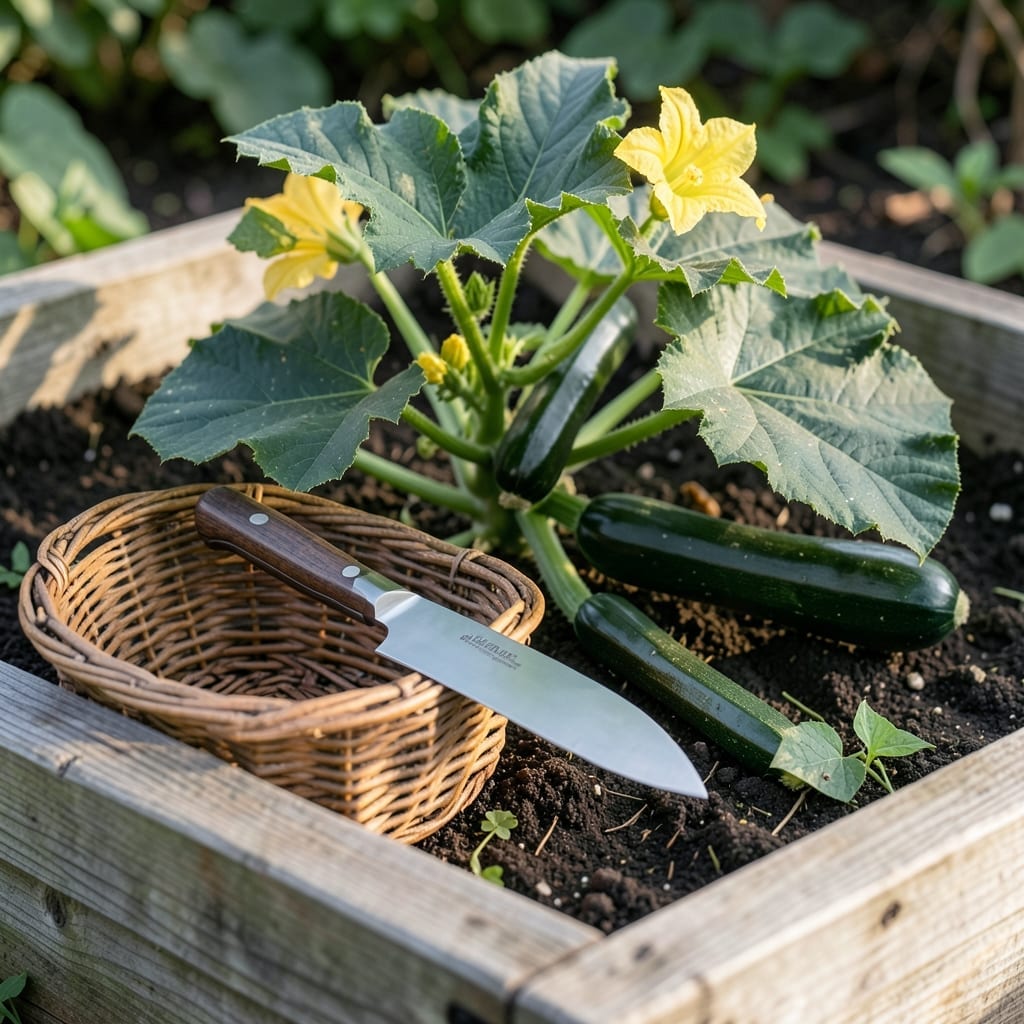
Picking zucchini 🥒 at the perfect moment ensures the best flavor and texture, but knowing when it’s ready can be tricky for even experienced gardeners.
Unlike some vegetables, zucchini doesn’t change color dramatically as it ripens, so you’ll need to rely on a few clever tricks to harvest at peak freshness.
I’ve learned that timing is everything with this fast-growing plant. Wait too long, and you’ll end up with giant, seedy squash. Harvest too early, and you’ll miss out on that perfect snap and sweetness.
Let me walk you through the easiest ways to tell when your zucchini is ready to pick, so you can enjoy the best harvest of the season.
I’ve found that the tap test is one of the most reliable ways to check zucchini ripeness. Gently tap the fruit with your fingernail—if it sounds hollow or firm, it’s ready. This simple trick works because ripe zucchini has a denser interior than unripe ones.
Another key indicator is size and length. Ideally, zucchini should be 6-8 inches long and about 2 inches in diameter. At this stage, the skin is still tender, and the seeds inside are small and soft. Harvesting at this size ensures the best texture and flavor.
| Sign | Description |
|---|---|
| Tap Test | Hollow, firm sound when tapped |
| Size | 6-8 inches long, 2 inches wide |
| Skin Texture | Smooth, shiny, and firm |
| Stem Condition | Dry, brown tendrils near stem |
| Flower Status | Flowers have fallen off |
The skin texture is another telltale sign. A ripe zucchini will have a glossy, dark green skin that feels firm to the touch. If the skin looks dull or feels soft, it’s either not ready or overripe. I recommend checking the skin in the morning for the best accuracy.
Don’t forget to examine the stem and tendrils. When the tendrils near the stem turn brown and dry, it’s a strong indicator that the zucchini is ripe. This happens because the plant redirects its energy to the fruit as it matures.
Overripe zucchini can become bitter and seedy, which is why timing is crucial. If you wait too long, the skin hardens, and the seeds grow large and tough. I’ve learned that harvesting every 2-3 days during peak season keeps the plant productive.
For the best results, use a sharp knife or pruners to cut the zucchini from the vine. Avoid twisting or pulling, as this can damage the plant. I always
If you’re unsure, compare the zucchini to others on the vine. Ripe ones will be uniform in color and size, while unripe ones may still have their blossoms attached. This visual comparison can help you make the right call.
Remember, zucchini grows quickly, sometimes adding an inch or more per day in warm weather. I check my plants daily during the growing season to catch them at the perfect stage. This habit ensures I never miss the ideal harvest window.
Finally, if you do accidentally leave a zucchini on the vine too long, don’t worry—it can still be used for baking or composting. But for the best eating experience, aim for that 6-8 inch sweet spot every time.☀️
I’ve found that the tendril trick is one of the most reliable ways to determine zucchini ripeness. The tendrils near the stem begin to dry and brown as the fruit matures, signaling it’s ready to harvest.
This method works because the tendrils are directly connected to the fruit’s growth. Once they start to withdraw moisture and turn crisp, your zucchini is at its peak for picking.
Check the tendrils near the stem—when they turn brown and dry, your zucchini is ripe and ready to harvest. Avoid waiting too long, or the fruit may become overly seedy or tough.
The tendril trick is especially useful because it’s a visual cue that doesn’t require touching the fruit, reducing the risk of damaging it. I always pair this with the tap test for confirmation.
One common mistake is assuming all brown tendrils mean overripeness. Actually, they indicate the perfect harvest window, usually when the zucchini is 6-8 inches long and the skin is firm.
I’ve noticed that zucchini plants with healthy tendrils produce more fruit when harvested promptly. This trick ensures I never miss the optimal picking time for the best flavor and texture.
Remember, the tendril method works best when combined with other signs like size and skin texture. This multi-check approach guarantees a perfect harvest every time. ☀️