
Beautiful Plants For Your Interior
Beautiful Plants For Your Interior
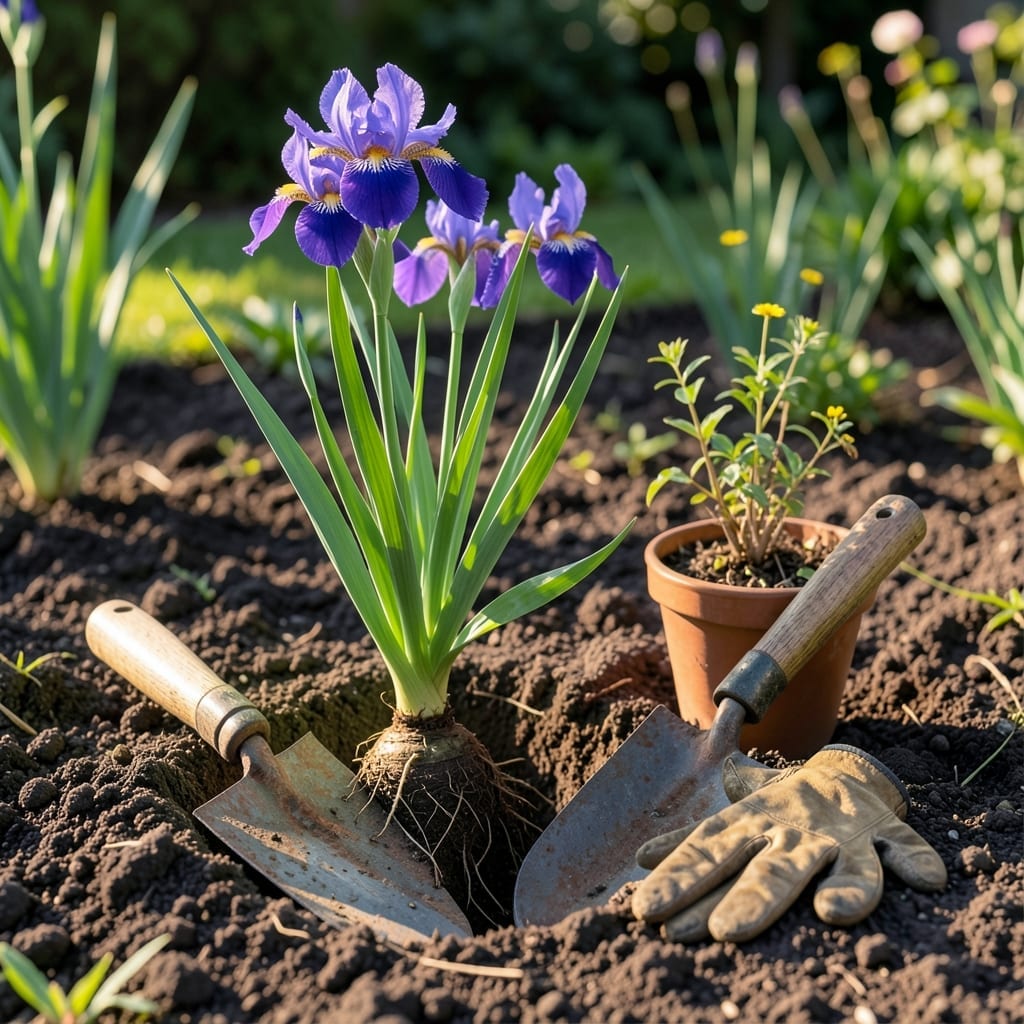
Timing is everything when transplanting Iris 🌸—do it right, and you’ll be rewarded with vibrant blooms and healthy growth for years to come.
Get it wrong, and you risk stunted growth or even losing your plants entirely. The good news? There’s a simple window that maximizes success.
Discover when to make the move and why this timing gives your Iris the best shot at thriving in its new home.


The ideal time to transplant Iris plants is in early fall, typically 6-8 weeks before your first frost. This gives the rhizomes time to establish new roots before winter dormancy.
For most gardeners in USDA zones 3-9, that means September or October. In warmer climates (zones 10-11), you can push this to late October or even November.
| Timing Factor | Recommendation |
|---|---|
| Best Months | September, October |
| Alternative Months | August, November |
| Time Before Frost | 6-8 weeks |
| Climate Zones | 3-11 (adjust timing) |
| Why This Timing | Allows root establishment |
Avoid transplanting during active blooming (spring/early summer) as this stresses the plant. The late summer window (August) can work if you’re in a cooler climate with early frosts.
Signs your Iris needs transplanting include overcrowded clumps, reduced flowering, or center die-back. These indicate the plant is competing for resources and would benefit from division.
In warmer climates, you might get away with winter transplanting, but this risks frost damage to new growth. Stick to fall whenever possible for the best success rate.
For reblooming Iris varieties, the same fall timing applies. However, these may show new growth sooner after transplanting, so be extra gentle with their root systems.
The soil temperature should be above 60°F when you transplant. This encourages root growth while the top growth slows down for winter.
If you miss the fall window, early spring is your second-best option. Transplant as soon as the soil is workable but before new growth appears.
Remember, Iris rhizomes need to be partially exposed to sunlight. Plant them too deep, and they may rot or fail to bloom the following year.
Transplanting Iris plants is straightforward if you follow the right steps. I always start by preparing the new location first, ensuring it has well-draining soil and full sun exposure for at least 6 hours daily.
First, water your Iris deeply 1-2 days before transplanting. This helps soften the soil and reduces shock to the roots when you dig them up.
When dividing, I look for plump, firm rhizomes with healthy roots. Discard any soft or rotten sections, as these won’t recover and could spread disease to your new planting.
Space the new plantings about 12-24 inches apart. This gives them room to grow without competing for nutrients. In 3-4 years, you’ll likely need to divide them again.
After transplanting, keep the soil consistently moist but not soggy for 2-3 weeks. This helps the new roots establish before the plant enters dormancy. Mulch lightly to retain moisture.
If you notice yellowing leaves after transplanting, don’t panic. This is normal transplant shock. Just maintain consistent care, and your Iris should bounce back by spring. ☀️
For the best results, I recommend marking your calendar for early fall every 3-4 years. This keeps your Iris healthy and blooming vibrantly year after year. 🌷