
Beautiful Plants For Your Interior
Beautiful Plants For Your Interior
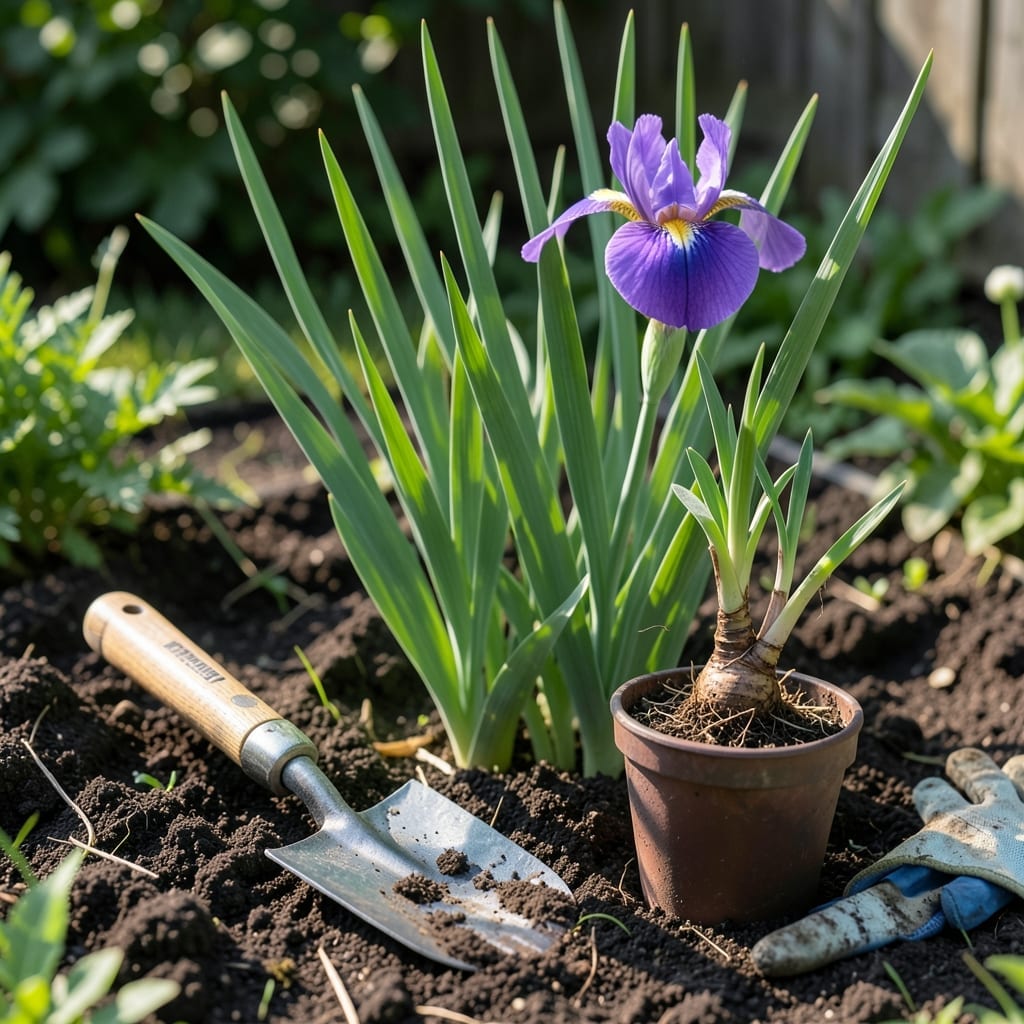
Timing is everything when it comes to replanting Iris—do it right, and you’ll be rewarded with vibrant, healthy blooms year after year. 🌸 Getting it wrong risks stunted growth or no flowers at all.
I’ve learned the hard way that summer is the sweet spot for this task, especially in zones like 6a. The key is giving those rhizomes enough time to establish before winter hits.
Discover the exact window and steps to ensure your Iris thrive after the move. Let’s dig into what works and why timing makes all the difference.
If you want your Iris plants to thrive after replanting, timing is critical. I’ve found that late summer to early fall is the ideal window, typically from July to September. This period allows the rhizomes to establish roots before winter dormancy sets in.
In USDA Zone 6a, where frost arrives around October 15, replanting 6-8 weeks after blooming gives your Iris the best chance. The foliage will start to yellow, signaling it’s time to act.
| Timing Factor | Best Practice |
|---|---|
| Ideal Months | July, August, September |
| Good Alternatives | June, October |
| Time After Blooming | 6-8 weeks |
| Foliage Condition | Begins to yellow |
Replanting during this window ensures your Iris rhizomes have enough time to grow new roots and store energy for next year’s blooms. If you plant too late, the roots won’t establish before the first frost, which can lead to poor performance.
For gardeners in warmer climates, you might extend this window slightly into October. Just ensure the rhizomes have at least 6 weeks of warm soil to settle in before colder temperatures arrive.
In my experience, replanting in early morning helps reduce stress on the plants. The cooler temperatures and lower sun intensity make it easier for them to recover. Also, always water deeply after replanting to help settle the soil.
If you notice your Iris clumps are overcrowded or the blooms are smaller than usual, it’s a sign they need dividing and replanting. This is especially true if it’s been 3-4 years since their last division.
Remember, Iris plants prefer well-draining soil and full sun. When replanting, choose a spot that gets at least 6 hours of sunlight daily. This will give you the best chance for vibrant, healthy blooms next season.
Finally, avoid replanting during the heat of summer or the dead of winter. Both extremes can stress the plants and reduce their ability to establish properly. Stick to the late summer to early fall window for the best results.
With the right timing and care, your Iris will reward you with stunning blooms year after year. 🌸
Knowing when to replant starts with recognizing the signs of distress. I look for overcrowded rhizomes pushing each other above the soil or fewer blooms than usual. These are clear signals it’s time to divide and replant.
Another red flag is center dieback in the clump, where older rhizomes stop producing. If it’s been 3-4 years since your last division, chances are your Iris are begging for a refresh. 🌸
I always prepare the new site first by loosening the soil to 12 inches deep. Iris thrive in well-draining soil, so I amend heavy clay with compost. A sunny spot with 6+ hours of light is non-negotiable for vibrant blooms.
When dividing, I use a sharp knife to cut rhizomes, ensuring each section has at least one healthy fan of leaves. Discard any soft or diseased pieces to prevent issues in the new location.
Before planting, I inspect the root system and trim any damaged roots. This encourages new growth and helps the plant focus energy on establishing itself in its new home.
After replanting, I water deeply to settle the soil and remove air pockets. Then I mark the location with a small stake so I don’t accidentally disturb the rhizomes while they’re establishing.
With these steps, your Iris will be ready to thrive in their new home and reward you with spectacular blooms next season. 🌿