
Beautiful Plants For Your Interior
Beautiful Plants For Your Interior
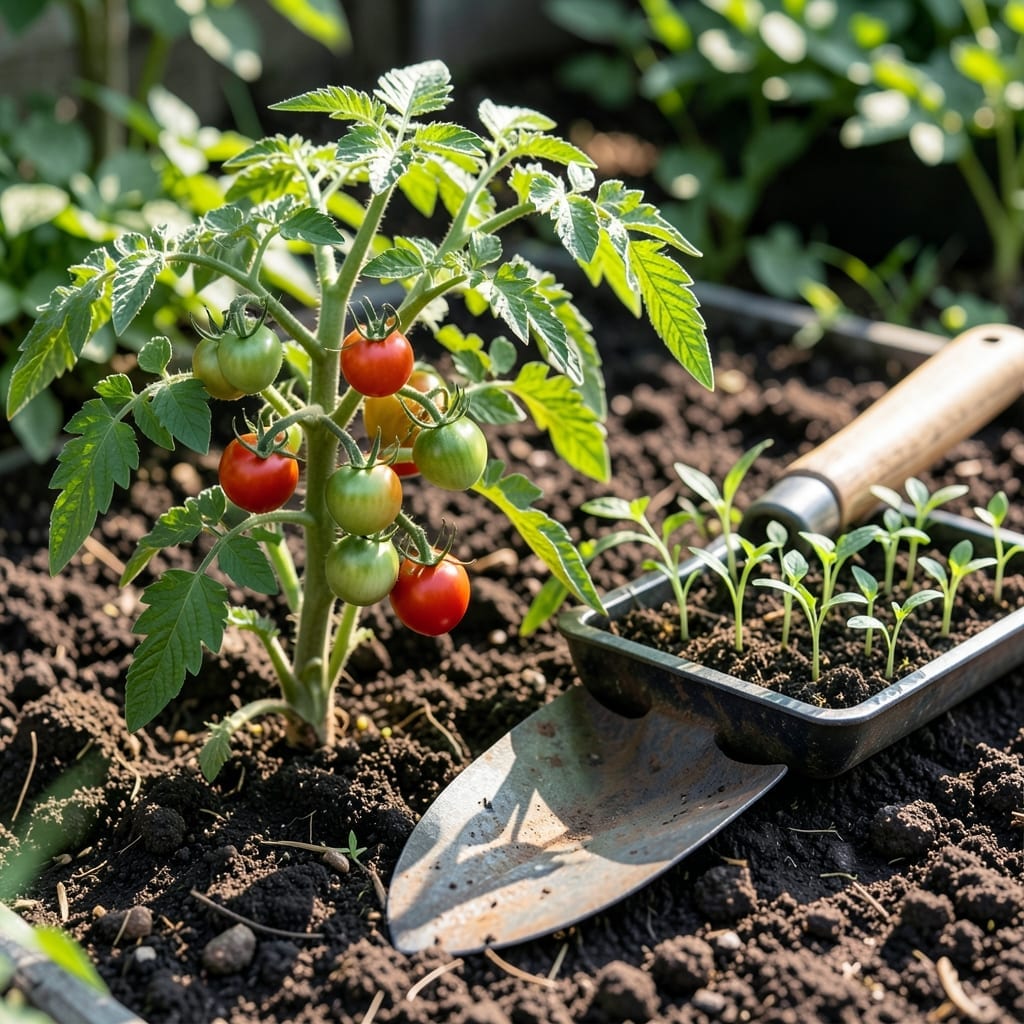
Texas gardeners know timing is everything—plant too early and frost will wipe out your crops, plant too late and the summer heat will scorch them.
With the Lone Star State’s diverse climate zones, what works in North Texas might fail in the southern regions. I’ve seen too many gardeners struggle because they missed their window.
The good news? There are clear planting windows that work across zones 8a-9b. Whether you’re growing 🥕 Vegetables in spring or fall, getting the timing right means the difference between a bountiful harvest and disappointment.
Let me show you exactly when to plant for the best results, no matter where you are in Texas.
Texas is a big state with five distinct climate zones, each with its own ideal planting windows. In North Texas, you’ll want to start cool-season crops like lettuce and broccoli in early spring or late summer for a fall harvest.
Central Texas gardeners can plant tomatoes and peppers as early as March, while South Texas can often start even sooner thanks to its milder winters.
| Region | Spring Planting | Fall Planting | Key Crops |
|---|---|---|---|
| North Texas | March – April | August – September | Broccoli, Lettuce |
| Central Texas | February – March | September – October | Tomatoes, Peppers |
| South Texas | January – February | October – November | Okra, Sweet Potatoes |
| East Texas | March – April | August – September | Beans, Squash |
| West Texas | April – May | August – September | Peas, Carrots |
In East Texas, the higher humidity means you can grow beans and squash with great success, but watch for pest pressures in the warmer months. The cooler nights in this region can extend your growing season slightly.
West Texas is the trickiest due to its arid climate and extreme temperature swings. I recommend starting peas and carrots in April or May to avoid late frosts, and always mulch heavily to retain soil moisture.
For fall planting, timing is critical to avoid early frosts. In North Texas, aim to have mature plants by the first frost date, which is typically around November 15. Use row covers to extend the season if needed.
In Central Texas, you can often squeeze in a second harvest of warm-season crops like tomatoes if you plant in late July. Just be prepared to protect them from late-summer heatwaves with shade cloth.
Don’t forget to test your soil before planting. Texas soils vary widely, and amending with compost can give your vegetables the best start. I always add a layer of organic matter before setting out transplants.
Finally, keep a garden journal to track what works best in your specific microclimate. Even within regions, local conditions like wind exposure or urban heat islands can shift your planting dates by a week or two.
With the right timing and a little care, you’ll be harvesting fresh, homegrown vegetables almost year-round in Texas 🌱
Texas summers can be brutal, but some vegetables thrive in the heat. I’ve found that okra, sweet potatoes, and cowpeas are top performers when temperatures soar. These hardy varieties can handle the scorching sun and still produce a bountiful harvest.
To keep your garden flourishing, focus on deep watering and mulching. This helps retain soil moisture and protects roots from the intense heat. I always water in the early morning to reduce evaporation and prevent stress on the plants.
If you’re new to Texas gardening, start with heat-tolerant varieties like black-eyed peas or Swiss chard. These plants are forgiving and can handle the long growing season without wilting under pressure.
I’ve also had success with peppers and eggplants, which love the warmth. Just be sure to provide afternoon shade if the temperatures climb above 100°F. This small adjustment can make a big difference in plant health.
Remember, consistent moisture is key. Use drip irrigation to deliver water directly to the roots, reducing waste and keeping foliage dry to prevent disease. It’s a game-changer for my summer garden.
With the right plant selection and care techniques, your Texas garden can thrive even in the hottest months. I’ve seen firsthand how these strategies turn a challenging season into a rewarding harvest. ☀️