
Beautiful Plants For Your Interior
Beautiful Plants For Your Interior
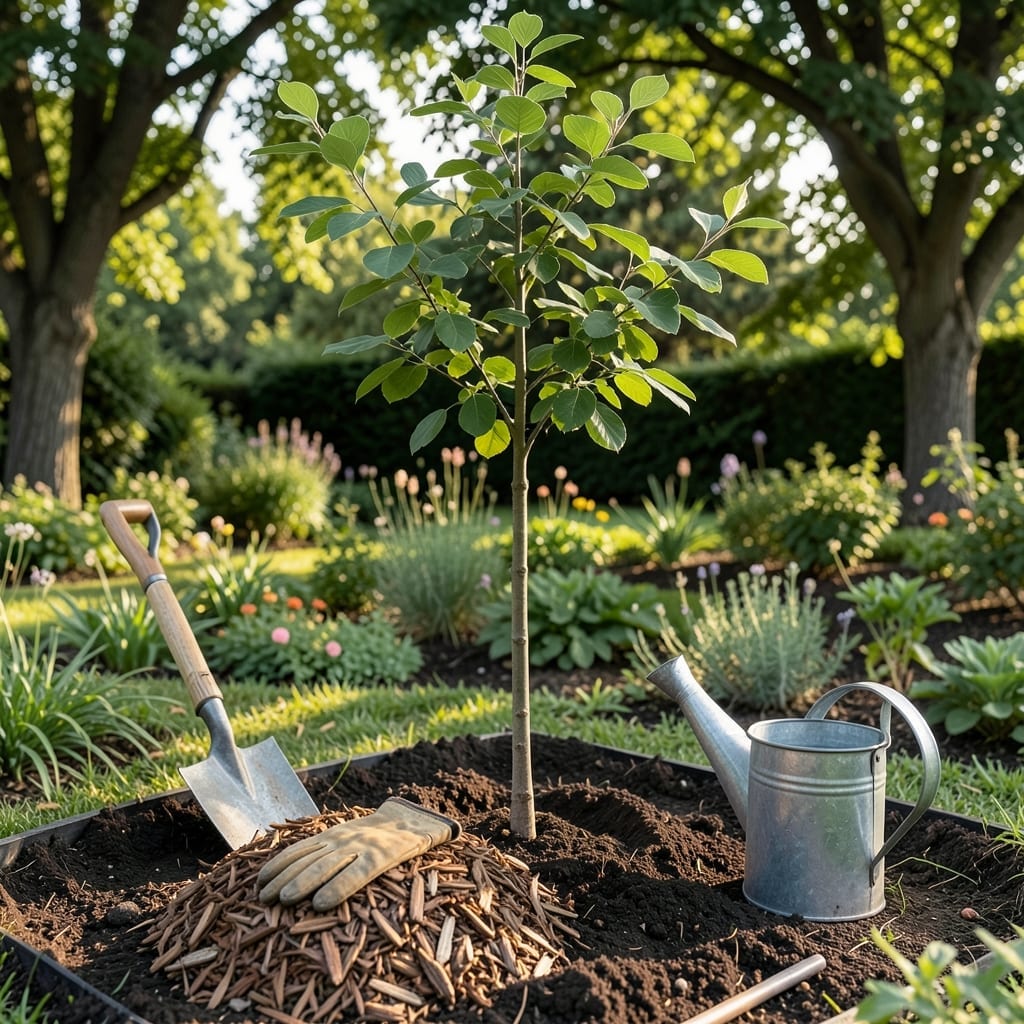
Timing is everything when planting the 🌳 Tree in North Texas—get it right and you’ll enjoy thriving, resilient trees for decades.
Plant at the wrong time, and you risk stress, disease, or even failure. The window between October and March is when your Tree has the best chance to establish strong roots.
This is when cooler temperatures and dormant seasons work in your favor, reducing transplant shock. I’ll show you why these months are ideal and how to make the most of them.
Discover the simple yet crucial steps to ensure your Tree grows healthy and strong from the start.
In North Texas, timing your tree planting can make or break its success. The dormant season from October to March is ideal, as cooler temps reduce stress on new roots while allowing establishment before summer heat hits.
I’ve seen firsthand how trees planted in fall or early winter develop stronger root systems. This window avoids the extreme heat of summer and the unpredictable freezes of late winter, giving your trees the best start possible.
| Season | Ideal Months | Key Benefits |
|---|---|---|
| Fall | October – December | Cool temps, reduced transplant shock |
| Winter | January – February | Dormant season, root growth focus |
| Early Spring | March | Pre-summer establishment period |
Fall planting is my top recommendation because the soil stays warm while air temps cool, encouraging root growth without the stress of summer heat. This gives trees a head start before winter dormancy.
If you miss the fall window, early spring (especially March) is your next best bet. The key is planting before bud break, so the tree can focus energy on root development rather than foliage.
North Texas USDA Zone 8a climate means we have 240 frost-free days, but summer heat can be brutal. Planting in summer requires extra care, like deep watering and shade cloth, to prevent stress.
For deciduous trees like oaks or maples, late fall works beautifully. Evergreens, however, often do better with early fall or late winter planting to avoid winter burn.
I always remind gardeners that soil prep matters as much as timing. Test your soil’s drainage and pH before planting, and amend with compost if needed. This ensures your tree’s roots can spread easily.
After planting, mulch heavily (but keep it 3 inches from the trunk) to retain moisture and regulate soil temperature. This is especially critical in North Texas, where temperature swings can be dramatic.
Remember, container-grown trees can be planted year-round with proper care, but bare-root trees must go in during dormancy. Always check the root ball for circling roots and loosen them before planting.
With the right timing and care, your North Texas trees will thrive for generations, providing shade, beauty, and even increased property value 🌳
Not all trees thrive when planted at the same time in North Texas. Native species like Live Oak and Pecan do best when planted in fall, while Crepe Myrtle prefers early spring to establish roots. 🌳
The USDA Zone 8a climate means we have hot summers and mild winters, so timing is crucial. I’ve found that October through March gives most trees the best start by avoiding extreme heat. 🌿
| Tree Type | Best Planting Months | Climate Notes |
|---|---|---|
| Live Oak | Oct – Dec | Drought-tolerant, thrives in fall |
| Pecan | Nov – Feb | Needs winter dormancy |
| Crepe Myrtle | Feb – Mar | Avoid summer heat stress |
For non-native species, like Japanese Maple, I recommend planting in early spring to avoid winter frost damage. These trees need extra care to adapt to our climate. ✂️
Evergreens such as Eastern Red Cedar can be planted in fall or early winter. Their year-round foliage benefits from cooler temperatures to reduce water loss.
If you’re planting fruit trees, like Peach or Plum, aim for January to February. This timing allows roots to establish before the growing season begins.
Always check the specific needs of your tree species. I’ve seen even experienced gardeners struggle by assuming all trees have the same planting window. 🪴