
Beautiful Plants For Your Interior
Beautiful Plants For Your Interior
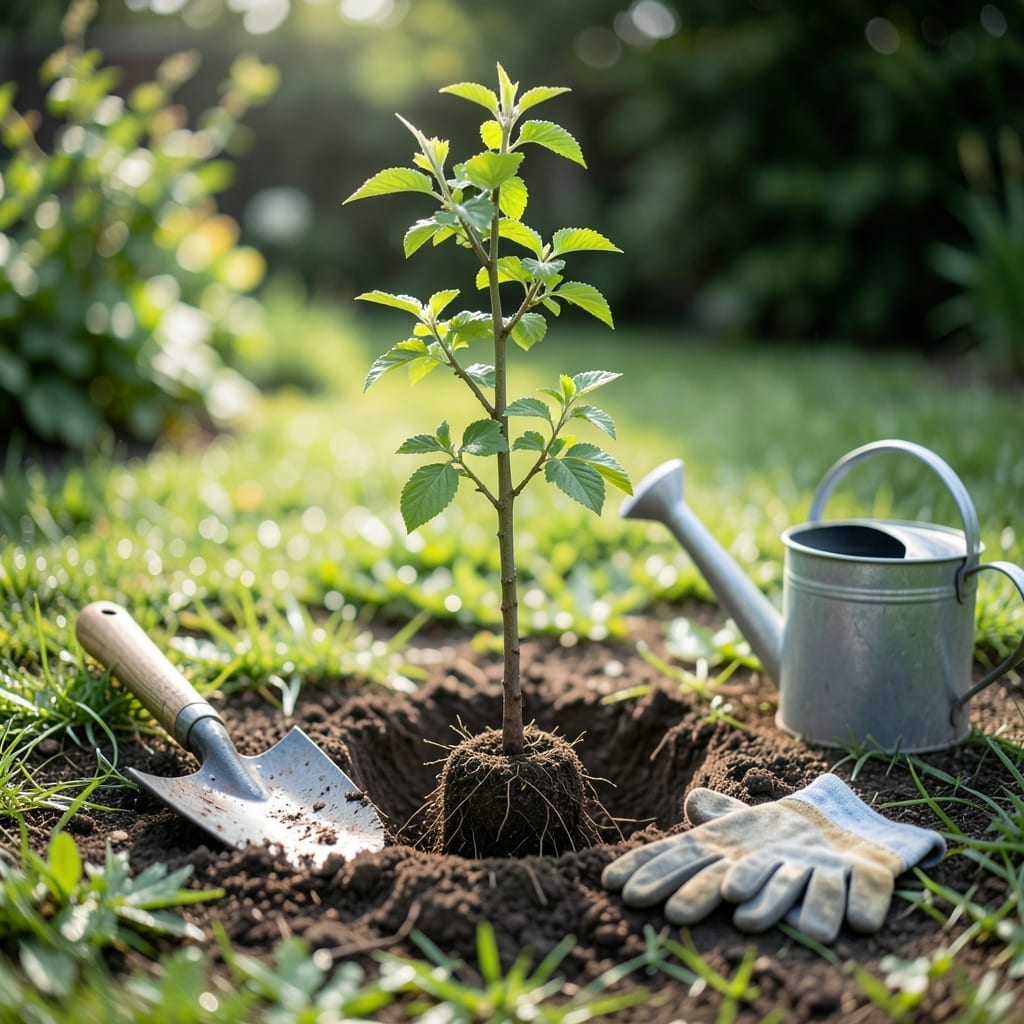
Planting trees at the right time in Indiana can mean the difference between a thriving landscape and a struggling sapling. With its distinct seasons and variable climate, timing is everything for successful tree establishment.
I’ve seen too many well-meaning gardeners plant their 🌳 Tree in the wrong season, only to watch it struggle. The good news? There’s a simple window that gives your trees the best chance to flourish.
In zones 5b-6a, the ideal planting period stretches from October to April. This timing allows roots to establish before summer heat or winter freeze sets in.
Let me walk you through why this window works so well and how to make the most of it. Your future self—and your trees—will thank you.
Indiana’s USDA zones 5b-6a create unique planting windows. I’ve found that fall planting often trumps spring for most native trees like sugar maples and white oaks. The key is timing it 4-6 weeks before the ground freezes.
For non-native species like Japanese maples, spring planting after the last frost (typically April 15) gives them time to establish before summer heat. Always consider your specific microclimate within Indiana.
| Tree Type | Best Planting Time | Key Considerations |
|---|---|---|
| Native (Oak, Maple) | October-November | Cool temps, root growth |
| Fruit Trees | Early Spring | Avoid frost damage |
| Evergreens | September or April | Need extra watering |
In my experience, bare-root trees do best when planted during dormancy in late winter. This gives them a head start before spring growth. Just ensure the soil isn’t frozen when you dig.
Container-grown trees offer more flexibility. I’ve successfully planted these as late as May or as early as September, but they require consistent watering during their first year.
For Indiana’s clay soils, fall planting allows roots to establish before winter dormancy. The cooler temperatures reduce stress on the tree, and autumn rains often provide natural irrigation.
Spring planting works well for tender species that might not survive harsh winters. I always recommend planting these after the last frost but before summer heat sets in.
Remember that summer planting is generally discouraged in Indiana. The heat stress and potential drought conditions make it difficult for new trees to establish.
For urban areas with warmer microclimates, you might extend the planting window by a few weeks. But always monitor soil moisture and temperature closely.
No matter the season, I always prepare the planting hole at least twice as wide as the root ball. This gives roots room to spread and establish quickly in Indiana’s variable climate.
🌳I’ve found that fall planting gives trees in Indiana’s climate a real advantage. The cooler temperatures reduce stress on new saplings while allowing roots to establish before winter dormancy.
Reduced watering needs are another fall perk. With less evaporation and cooler air, your young trees can focus energy on root growth rather than fighting heat stress.
In my experience, early fall (late September through October) is ideal. This gives trees 4-6 weeks to grow roots before the ground freezes, which is crucial in USDA zones 5b-6a.
Spring planting can work, but it requires more maintenance. You’ll need to monitor soil moisture closely and protect from late frosts, which can be unpredictable in Indiana.
For bare-root trees, I always recommend fall planting. The dormant season alignment means less stress and better survival rates compared to spring planting.
Remember, soil temperature matters more than air temperature. Aim for soil temps above 50°F for best results, whether planting in fall or spring 🌳