
Beautiful Plants For Your Interior
Beautiful Plants For Your Interior
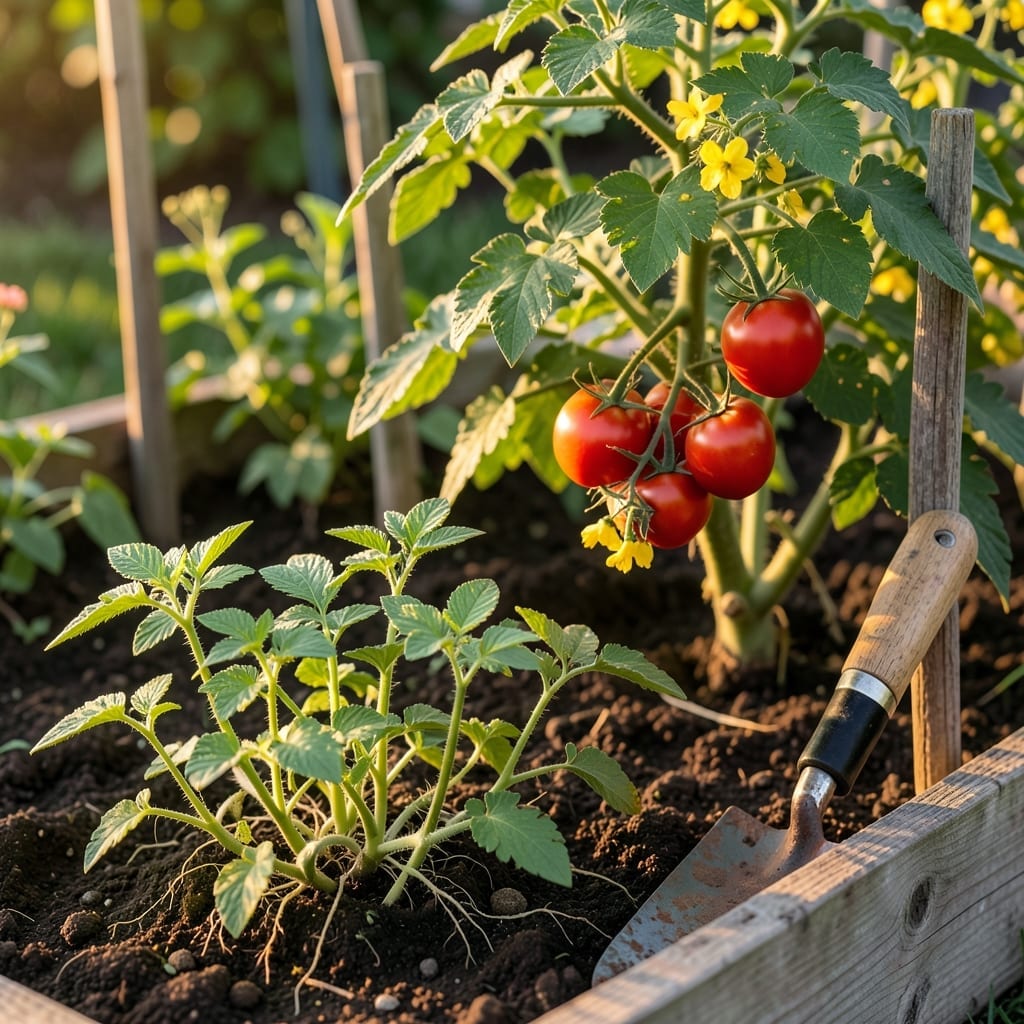
Timing is everything when it comes to planting Tomato 🍅 and cucumbers—plant too early and frost can wipe out your crop, too late and you’ll miss the peak growing season.
Mastering the ideal planting window for your climate zone ensures a bountiful harvest. Whether you’re in zone 6 or elsewhere, getting this right makes all the difference.
Discover the exact timing strategies that’ll help you avoid common mistakes and maximize your garden’s potential this spring.
Getting the timing right for tomatoes and cucumbers can make or break your harvest. Both are warm-season crops that thrive when soil and air temperatures are consistently warm. The key is aligning your planting with your USDA zone and local frost dates.
In most regions, you’ll want to plant after the last frost when soil temps hit 60°F for tomatoes and 70°F for cucumbers. This ensures strong root development and prevents cold shock.
| USDA Zone | Tomatoes | Cucumbers |
|---|---|---|
| Zones 3-4 | Late May – Early June | Early June |
| Zones 5-6 | Mid-April – Early May | Early May |
| Zones 7-8 | Late March – Early April | Early April |
| Zones 9-10 | February – Early March | Late February |
| Soil Temp | Minimum 60°F | Minimum 70°F |
For Zone 6 gardeners, like me, the sweet spot is typically mid-April to early May for tomatoes and early May for cucumbers. This gives plants enough time to mature before the first fall frost in mid-October.
If you’re in cooler Zone 4, wait until late May or early June when the soil has warmed sufficiently. Planting earlier risks stunted growth or even plant death from cold shock.
In warmer Zone 9, you can start as early as February. The long growing season allows for multiple harvests, especially with fast-maturing cucumber varieties.
Always check your local frost dates and soil temperature with a soil thermometer. I’ve found that even within the same zone, microclimates can vary significantly. A south-facing slope might warm up faster than a shady north spot.
For transplants, start seeds indoors 6-8 weeks before your last frost date. This gives them a head start. For direct sowing, wait until the soil is warm enough to avoid shocking the seeds.
Remember, cucumbers are more sensitive to cold than tomatoes. If an unexpected late frost is forecasted, protect young plants with row covers or cloches.
By following these zone-specific guidelines, you’ll set your tomatoes and cucumbers up for success from the very start 🌱
While USDA zones provide a solid framework, several other critical factors determine the perfect planting window for tomatoes and cucumbers. I always check these variables to fine-tune my timing.
Soil temperature is the most crucial factor. Tomatoes need at least 60°F, while cucumbers require 70°F for optimal germination and growth. A soil thermometer is my go-to tool for accuracy.
Soil Temperature
Last Frost Date
Microclimates
Seed vs. Transplant
Weather Fluctuations
Your last frost date is another non-negotiable. Planting tomatoes or cucumbers before this date risks losing them to a late cold snap. I always mark this date on my calendar and wait at least a week after it passes.
Microclimates in your garden can create variations. A sunny south-facing wall warms up faster than an open, windy area. I’ve seen soil temperatures differ by 5-10°F within just a few feet.
Deciding between seeds or transplants affects timing. I start tomato seeds indoors 6-8 weeks before transplanting. Cucumbers, being more cold-sensitive, I often direct sow after the soil warms.
Finally, keep an eye on weather forecasts. If a cold front is approaching after planting, I protect seedlings with row covers or cloches until temperatures stabilize. This simple step has saved my plants many times 🌱