
Beautiful Plants For Your Interior
Beautiful Plants For Your Interior
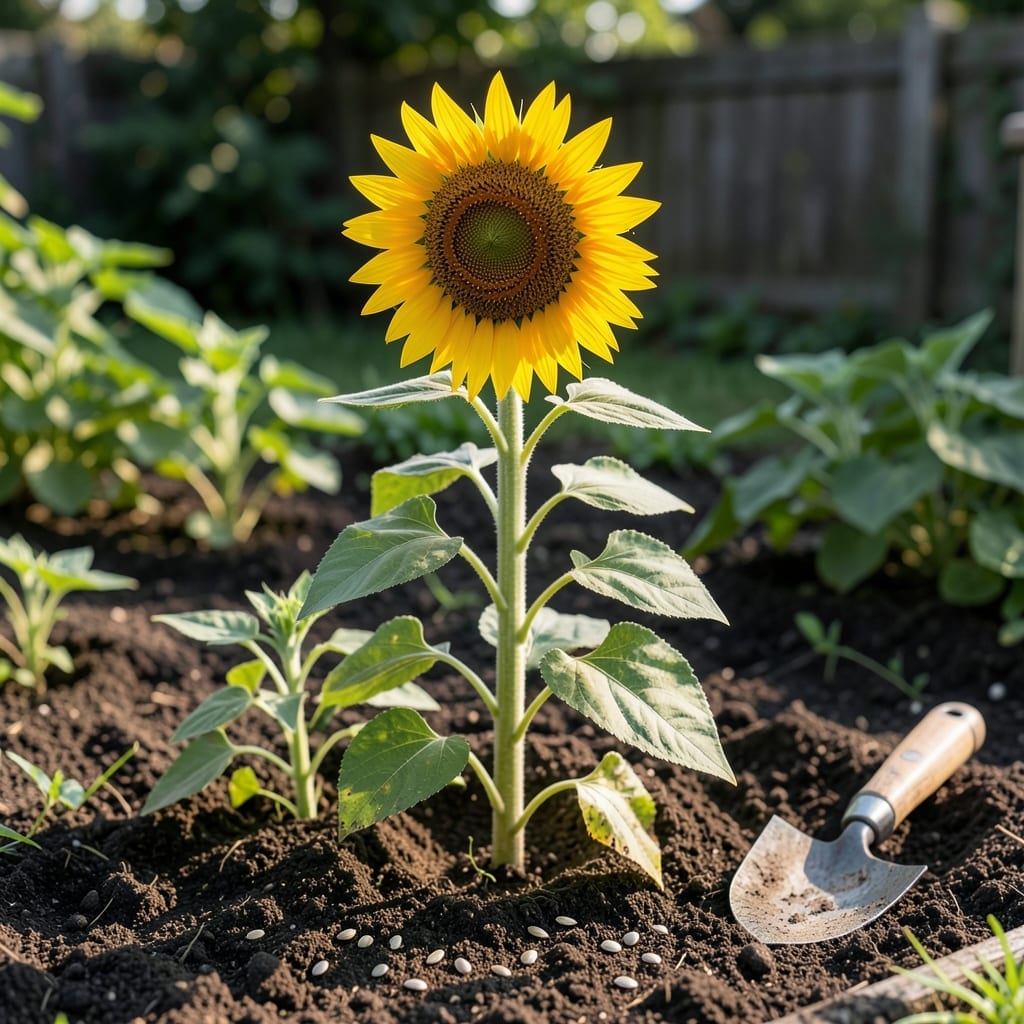
Timing is everything when planting Sunflowers in Florida’s unique climate. Plant too early or too late, and your vibrant 🌻 blooms may struggle against heat, humidity, or unexpected frosts.
Florida’s long growing season gives you more flexibility than many states, but that doesn’t mean every month works equally well. The key is understanding how the state’s zones 8a-10b affect your planting windows.
Whether you’re in the panhandle or the keys, getting the timing right means the difference between thriving plants and disappointing results. I’ll show you exactly when to start for the best outcomes.
Discover the ideal months to plant and why they matter for your Sunflowers’ success. Let’s make your garden shine with these iconic flowers.
Florida’s diverse USDA zones 8a-10b create unique planting windows for sunflowers. Unlike northern states, Florida’s mild winters allow for extended growing seasons with multiple planting opportunities.
In North Florida, the last frost typically occurs by late February, making March to April ideal for spring planting. This ensures your sunflowers avoid late cold snaps while benefiting from warming soils.
| Region | Best Planting Months | Frost-Free Date | Notes |
|---|---|---|---|
| North Florida | March – April | Feb 28 | Avoid late frosts |
| Central Florida | Feb – March, Sept – Oct | Feb 15 | Two growing seasons |
| South Florida | Oct – Nov, Jan – Feb | Dec 15 | Year-round possible |
Central Florida gardeners can plant sunflowers twice yearly. I recommend February to March for spring blooms and September to October for a fall harvest. The region’s consistent warmth supports robust growth.
For South Florida, the window expands further. You can plant as early as October or November for winter blooms, or January to February for spring flowers. The lack of hard frosts here allows for nearly year-round cultivation.
Soil temperature is critical. I always check that my soil has reached at least 55°F before planting. In Florida, this typically happens by early February in southern areas and March in the north.
The state’s high humidity can pose challenges. I’ve found that morning planting helps seeds establish before the midday heat. Also, ensure your soil drains well to prevent root rot in wet conditions.
For the best results, consider dwarf varieties like ‘Teddy Bear’ for smaller spaces or ‘Moulin Rouge’ for cut flowers. These handle Florida’s heat better than some giant varieties.
Remember, afternoon shade can benefit sunflowers in the hottest parts of summer, especially in South Florida. I position my taller varieties where they’ll get eastern sun and afternoon relief.
With these regional insights, you’ll maximize your sunflower success across Florida’s unique climate zones 🌻
Florida’s intense heat and humidity can challenge even experienced gardeners. I’ve found that choosing heat-tolerant varieties like ‘Moulin Rouge’ or ‘Autumn Beauty’ gives your sunflowers the best chance to thrive in these conditions.
The state’s sandy soils drain quickly, which is great for preventing root rot but means you’ll need to amend with compost to retain moisture and nutrients for your sunflowers. ☀️
Watering is critical in Florida. I recommend deep watering 2-3 times per week rather than daily light watering. This encourages strong root development and helps plants withstand drought periods.
Pest management is another key consideration. Aphids and squirrels love sunflowers as much as we do. I use neem oil for aphids and physical barriers to deter squirrels from snacking on seeds.
For those in South Florida, afternoon shade can be beneficial during the hottest months. This prevents heat stress while still providing enough light for robust growth. 🌿
Finally, don’t forget to rotate planting locations each season to prevent soil depletion and reduce disease buildup. This simple practice can significantly improve your sunflower success rate year after year.