
Beautiful Plants For Your Interior
Beautiful Plants For Your Interior
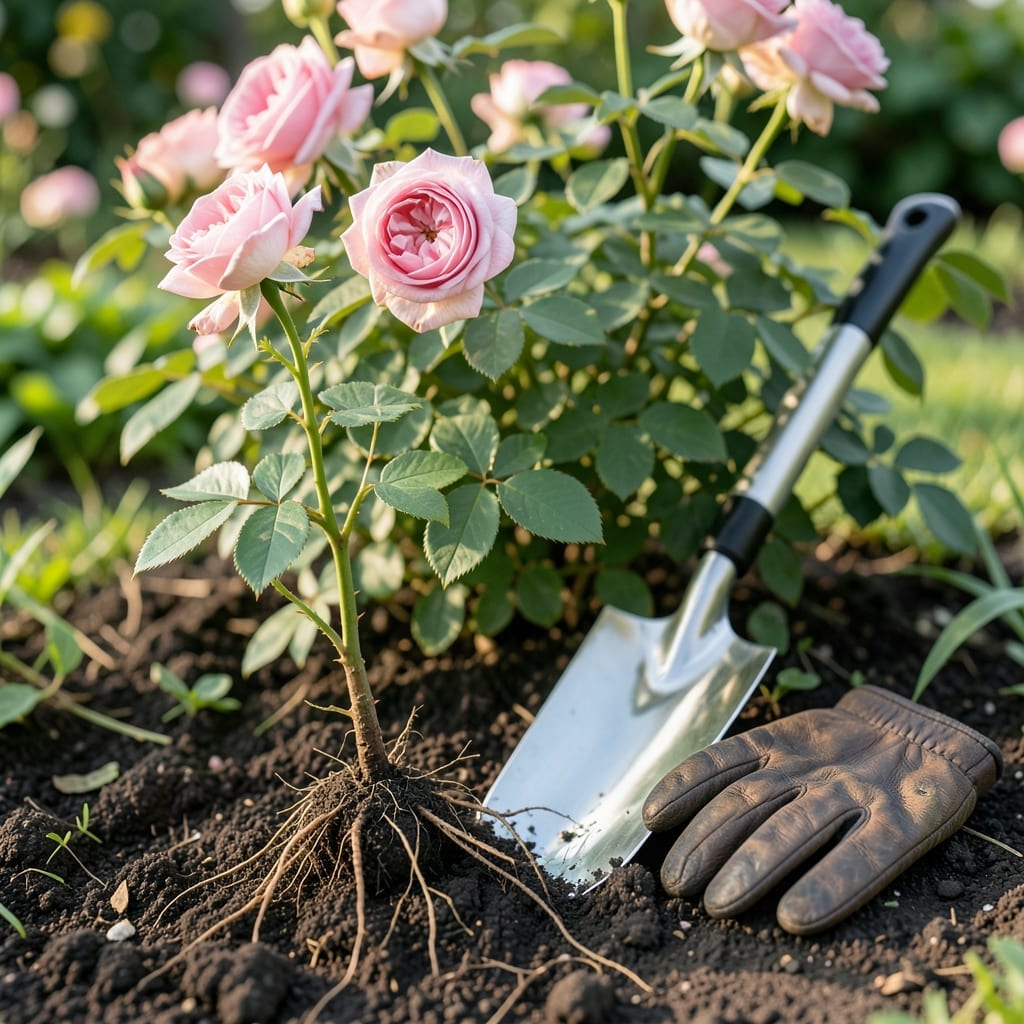
Planting 🌹 Rose in Arizona’s desert climate isn’t just about picking a date—it’s about outsmarting the heat. The Grand Canyon State’s intense summers can spell disaster for new plantings, making timing everything.
I’ve seen too many gardeners struggle by planting at the wrong time. The key is working with Arizona’s unique seasons, not against them. When you get the timing right, your roses will thank you with vibrant blooms.
Whether you’re planting bare-root or container-grown roses, there’s a best window to ensure success. The cooler months offer the perfect conditions for roots to establish before the heat kicks in.
Discover how to align your planting schedule with Arizona’s climate for thriving roses. Let’s dig into the details that will set your garden up for success.
Timing is everything when planting roses in Arizona. The state’s USDA zones 4-10 and desert climate demand strategic planning to avoid heat stress and frost damage.
For bare-root roses, I recommend planting between January and February. This allows roots to establish before the summer heat kicks in, giving your roses a strong start.
| Rose Type | Best Planting Time | Key Reason |
|---|---|---|
| Bare-root | January-February | Avoids summer heat, establishes roots |
| Container-grown | October-March | Cooler temps reduce transplant shock |
| Fall Planting | September-November | Builds root systems before winter |
If you’re working with container-grown roses, you have more flexibility. I’ve found fall planting (October through March) works best, as cooler temperatures minimize transplant shock and encourage root growth.
Fall planting is my top recommendation for Arizona. The milder weather helps roses establish strong root systems before the intense summer heat arrives, ensuring better survival rates.
For high desert areas like Flagstaff, aim for late spring (May) after the last frost. In low desert regions such as Phoenix or Tucson, fall and winter planting is ideal due to milder conditions.
Always check your local frost dates. In most of Arizona, the last frost occurs around February 15, making early spring another viable window for planting.
I’ve seen gardeners struggle with summer planting. The extreme heat stresses roses, leading to poor establishment. Stick to cooler months for the best results.
If you plant in early fall, your roses will have time to acclimate before winter dormancy. This gives them a head start for vibrant blooms in the following spring.
Remember, soil preparation is key year-round. Amend your soil with organic matter to improve water retention and drainage, especially in Arizona’s alkaline soils. 🌹
I’ve found that fall planting gives roses the best start in Arizona’s desert climate. The cooler temperatures reduce stress on new plants while allowing roots to establish before summer heat arrives.
With less transplant shock and better water retention in fall soil, roses develop stronger root systems that can withstand Arizona’s intense summers. This timing also aligns perfectly with the state’s USDA zones 7-9.
In my experience, October through November offers the ideal window for planting roses in Arizona. The soil stays warm enough to encourage root growth while air temperatures remain comfortable for both plants and gardeners.
I always recommend morning planting to minimize heat stress and give new roses time to acclimate before the afternoon sun. This simple timing adjustment can make a noticeable difference in plant survival rates.
Another advantage I’ve observed is that fall-planted roses typically bloom earlier the following spring. They’ve had months to establish their root systems, so they’re ready to focus energy on flower production when warmer weather returns.
For Arizona gardeners, this approach means less watering and more vibrant blooms with the same effort. It’s a win-win for both the plants and the gardener’s water bill 🌹