
Beautiful Plants For Your Interior
Beautiful Plants For Your Interior
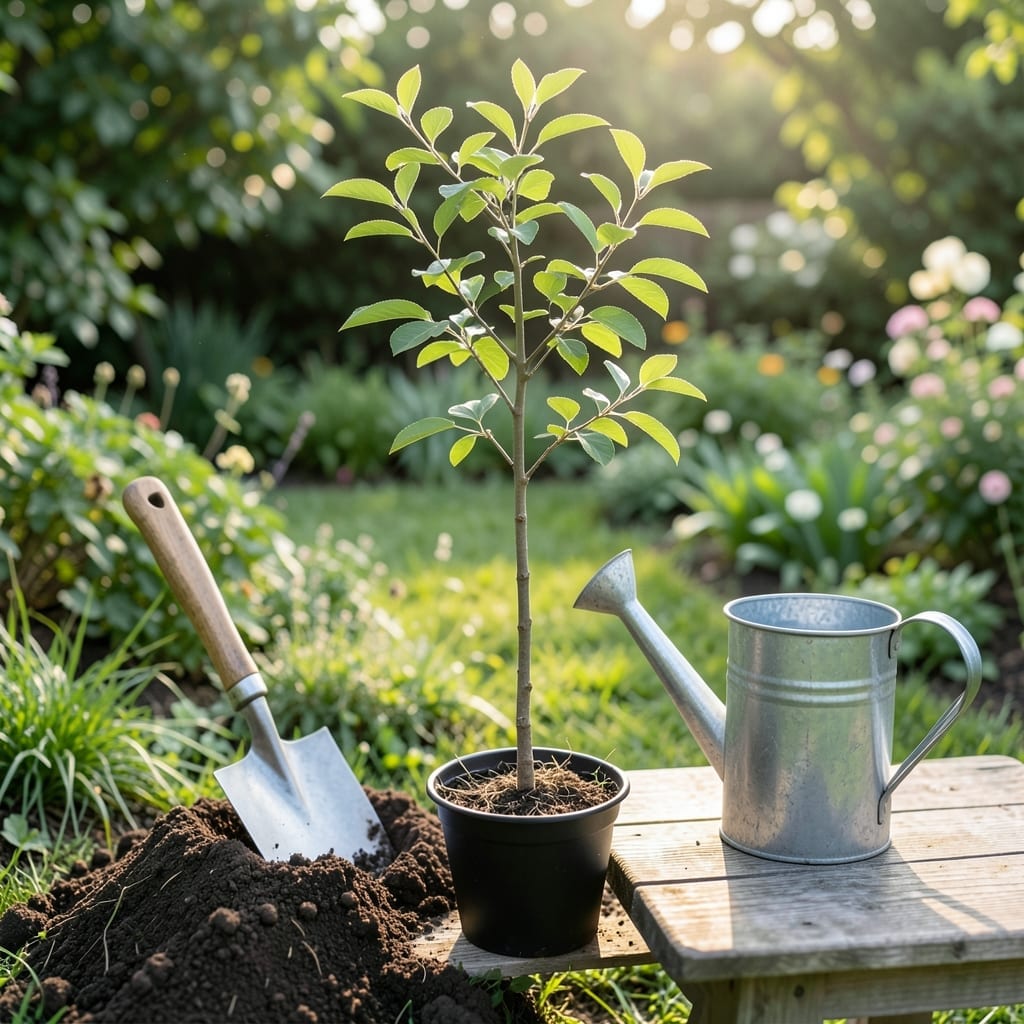
Timing is everything when planting 🍎 Fruit Trees in Texas—plant too early or too late, and you risk stunted growth or even losing your tree to harsh weather.
Texas’ diverse climate means what works in the Panhandle won’t always work in the Rio Grande Valley. The right timing ensures strong root establishment before the heat kicks in.
I’ve seen gardeners struggle with poor timing, but with the right approach, you can set your orchard up for success from day one. The dormancy period offers the best window.
Discover the ideal planting windows for your region and learn why winter months give your 🍎 Fruit Trees the strongest start in Texas soil.
Texas is a big state with diverse climate zones, so fruit tree planting times vary. In North Texas, late winter is ideal for peaches and apples, while South Texas can plant citrus year-round. ☀️
The key is avoiding extreme heat or frost risks. For most regions, January to February offers the best window for root establishment before spring growth. 🌱
| Region | Best Months | Varieties | Notes |
|---|---|---|---|
| North Texas | Jan-Feb | Peach, Apple | Avoid late frosts |
| Central Texas | Dec-Feb | Plum, Pear | Well-draining soil |
| South Texas | Oct-Mar | Citrus, Fig | Year-round possible |
| West Texas | Feb-March | Apricot, Pecan | Drought-tolerant types |
In North Texas, the last frost date is typically mid-March, so planting in January or February gives trees time to establish roots before spring. ✂️
Central Texas benefits from a milder climate, allowing planting from December to February. Plum and pear trees thrive here with proper soil prep.
South Texas gardeners can plant citrus trees almost any time, but October to March is optimal to avoid summer stress. Figs also do well in this window.
For West Texas, where drought is common, February to March planting works best. Choose drought-tolerant varieties like apricots or pecans for success.
No matter the region, always test your soil and ensure good drainage before planting. Bare-root trees should be planted during dormancy for best results. 🌳
If you’re planting container-grown trees, you have more flexibility, but winter months still provide the least stress on the tree. Always water deeply after planting.
Remember, local microclimates can affect timing. Check with your county extension office for region-specific advice to fine-tune your planting schedule. 🌿
Winter and early spring offer the perfect conditions for planting fruit trees in Texas. The dormant season allows roots to establish without the stress of extreme heat or drought.
During these months, the soil stays moist and cool, reducing transplant shock. This means your trees can focus on root growth before the demands of foliage and fruit production kick in.
I always recommend January through February as the prime window. This timing gives trees 2-3 months to settle in before the growing season begins in earnest.
For citrus trees in South Texas, you can push planting into late February or even March, as they’re less cold-hardy and benefit from slightly warmer soil.
Remember that soil preparation is key during this period. Amend your planting hole with compost and ensure good drainage to prevent root rot.
This approach works for most varieties, from peach trees to apple trees, giving them the best start in our unpredictable Texas weather 🌳