
Beautiful Plants For Your Interior
Beautiful Plants For Your Interior
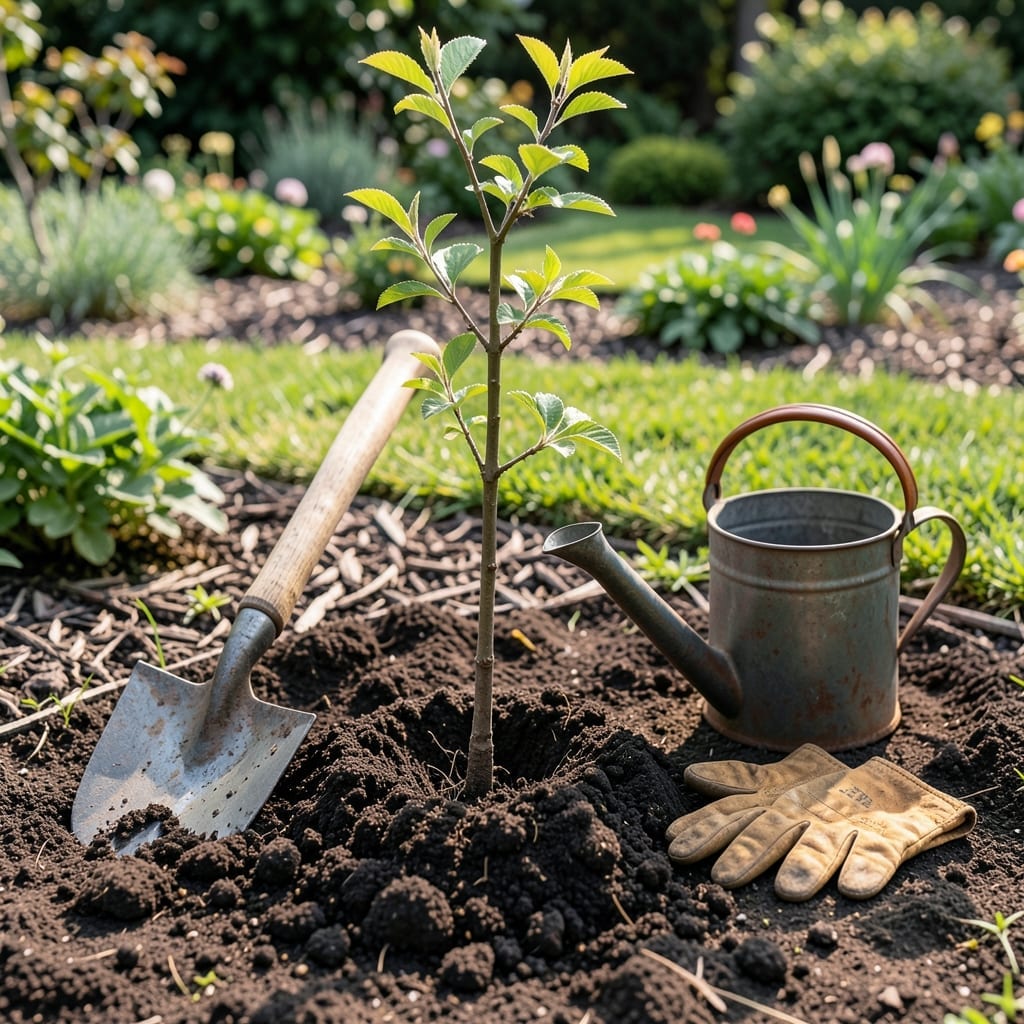
Timing is everything when planting Fruit Trees 🍎 in California—get it right, and you’ll enjoy bountiful harvests for years. Get it wrong, and you risk stunted growth or even losing your tree to extreme weather.
Our state’s diverse climate zones, from coastal fog to inland heat, mean there’s no one-size-fits-all answer. But I’ve learned the most important factor is planting during the dormant season.
Whether you’re in zone 7a-10b, the window between December and February offers the ideal conditions. This is when your tree can establish roots without the stress of heat or active growth.
Discover why this timing works and how to prepare your soil for success. Your future harvests will thank you.
California’s diverse climate means fruit tree planting times vary significantly. In cooler zones 7-9, the dormant season of December-February is ideal, while warmer zones 10-11 allow for a slightly extended window.
For bare-root trees, I always recommend planting during winter dormancy when the tree isn’t actively growing. This gives roots time to establish before spring growth begins.
| Climate Zone | Best Planting Months | Tree Type |
|---|---|---|
| Zones 7-9 | Dec-Feb | Bare-root & Container |
| Zone 10 | Nov-Mar | Both types |
| Zone 11 | Oct-Feb | Container preferred |
In coastal areas with mild winters, I’ve found November planting works well for container-grown trees. The consistent moisture helps roots establish before summer heat.
For inland valleys, stick to December-January to avoid both frost damage and summer stress. The soil stays workable but the tree remains dormant.
Desert gardeners in Zone 11 should plant in late fall or early winter. I recommend container trees here as they handle the transplant shock better in extreme heat.
Chill hour requirements matter too. Stone fruits need 500-700 hours below 45°F, so check your local chill hour map before selecting varieties.
In my experience, apple and pear trees do best in Zones 7-9 when planted in January. The cold dormancy period gives them the chill hours they need.
For citrus trees in Zones 9-11, container planting in February works well. They’re evergreen and can handle the slightly warmer winter temperatures.
Remember, soil temperature should be above 40°F for root growth. In colder zones, I use mulch heavily after planting to protect roots from freezing.
Always water deeply after planting, regardless of season. The first week is critical for root establishment, so I check soil moisture daily during this period.
🌳In California, bare-root fruit trees thrive when planted in late winter—typically December to February. This is when they’re dormant and less stressed by transplanting, giving roots time to establish before spring growth.
Container-grown trees offer more flexibility. I’ve successfully planted them from fall through early spring, avoiding only the hottest summer months. Their established root systems handle transplant shock better than bare-root options.
| Tree Type | Best Planting Time | Key Advantage | California Consideration |
|---|---|---|---|
| Bare-Root | Dec–Feb | Lower cost, wider variety | Avoid if soil is frozen or waterlogged |
| Container-Grown | Year-round | Instant impact, easier to plant | Avoid summer heat; water 2x/week after planting |
Excluding peak summer (July–August) in most zones
I always remind gardeners that bare-root trees need immediate planting after purchase. Their exposed roots dry out quickly in California’s arid climate, so soak them in water for 2–3 hours before planting.
For container-grown trees, check the root ball. If it’s root-bound, gently tease apart the roots before planting to encourage outward growth. This step is critical in our fast-draining soils.
Both types benefit from mulching after planting. I use 3–4 inches of organic mulch to retain moisture and regulate soil temperature, which is especially important in inland valleys with temperature swings.
Remember, chill hour requirements matter. Low-chill varieties like ‘Anna’ apples or ‘Flora Plum’ are perfect for Southern California, while traditional varieties need more winter chill.
Proper timing and preparation will give your fruit trees the strongest start possible in our diverse climate 🌳