
Beautiful Plants For Your Interior
Beautiful Plants For Your Interior
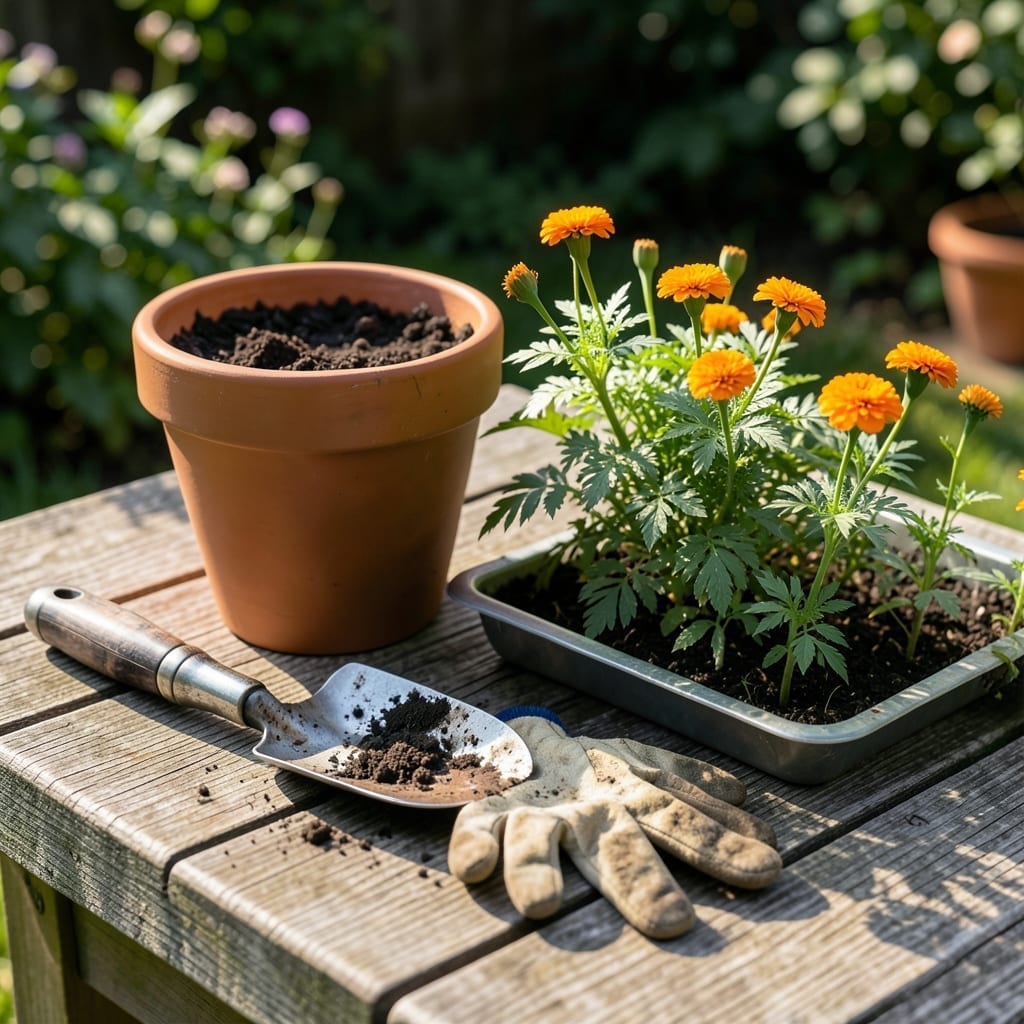
Timing is everything when planting Flowers in Ohio—plant too early, and frost could kill your blooms; too late, and you’ll miss the growing season.
Ohio’s Zone 6a-6b climate demands a strategic approach to ensure vibrant, healthy 🌸 year after year. Whether you’re a beginner or seasoned gardener, knowing the right window makes all the difference.
I’ll walk you through the most important factors, from frost dates to soil temps, so you can plant with confidence. No more guessing games—just proven timing for success.
Discover how to align your planting with Ohio’s unique seasons and watch your garden thrive like never before.
Ohio’s USDA zones 5-6 create distinct planting windows. Most of the state falls in Zone 5, with southern areas in Zone 6. These zones help determine when to safely plant flowers without frost damage.
In Northern Ohio, the last frost typically hits around April 15-May 1, while Southern Ohio sees it earlier, around April 1-April 15. This variation means gardeners must adjust planting times accordingly.
| Region | Last Frost Date | First Frost Date |
| Northern Ohio | April 15-May 1 | October 15-31 |
| Central Ohio | April 10-20 | October 20-30 |
| Southern Ohio | April 1-15 | October 15-25 |
For annual flowers, I always wait until after the last frost date. Perennials can often handle lighter frosts, but it’s best to plant them in early spring or fall for strong root establishment.
Bulbs like tulips and daffodils thrive when planted in fall, about 6-8 weeks before the first hard frost. This gives them time to develop roots before winter.
In Zone 5, I’ve found that mid-May is the sweet spot for most annuals. The soil has warmed, and the risk of frost is minimal. Zone 6 gardeners can start a bit earlier, often in late April.
Soil temperature is just as important as air temperature. Most flowers need soil temps of at least 50-60°F to germinate properly. A soil thermometer is a handy tool to check this.
Microclimates can also affect planting times. A south-facing garden or urban area may warm up faster than a rural, north-facing spot. I always observe my garden’s unique conditions before planting.
For fall planting, aim to get flowers in the ground at least 4-6 weeks before the first frost. This gives them time to establish roots before winter sets in.
Remember, these are general guidelines. Weather can vary year to year, so I always keep an eye on the local forecast and adjust my planting schedule as needed.
By understanding Ohio’s zones and frost dates, you can time your plantings for maximum success and enjoy vibrant blooms all season long 🌷
Ohio’s Zone 5 climate offers distinct planting windows for annuals, perennials, and bulbs. Timing varies by region, but most gardeners follow a spring-to-fall schedule to maximize blooms. I always check the last frost date before planting tender varieties.
For spring planting, I start with cold-hardy flowers like pansies and tulips in early April. These can handle light frosts and thrive in cooler soil. It’s a great way to add early color to your garden.
In summer, I focus on heat-tolerant varieties like black-eyed Susans and coneflowers. These thrive in Ohio’s warm temperatures and can handle dry spells with proper mulching and watering.
Fall planting is ideal for perennials and bulbs that bloom the following year. I love adding mums and asters in September for a burst of autumn color. This also gives roots time to establish before winter.
For succession planting, I sow fast-growing annuals like cosmos and sweet alyssum every 2-3 weeks. This ensures continuous blooms from late spring through fall.
Remember, soil temperature is just as important as air temperature. I use a soil thermometer to ensure it’s at least 60°F for most annuals. This small step can make a big difference in germination success. 🌱