
Beautiful Plants For Your Interior
Beautiful Plants For Your Interior
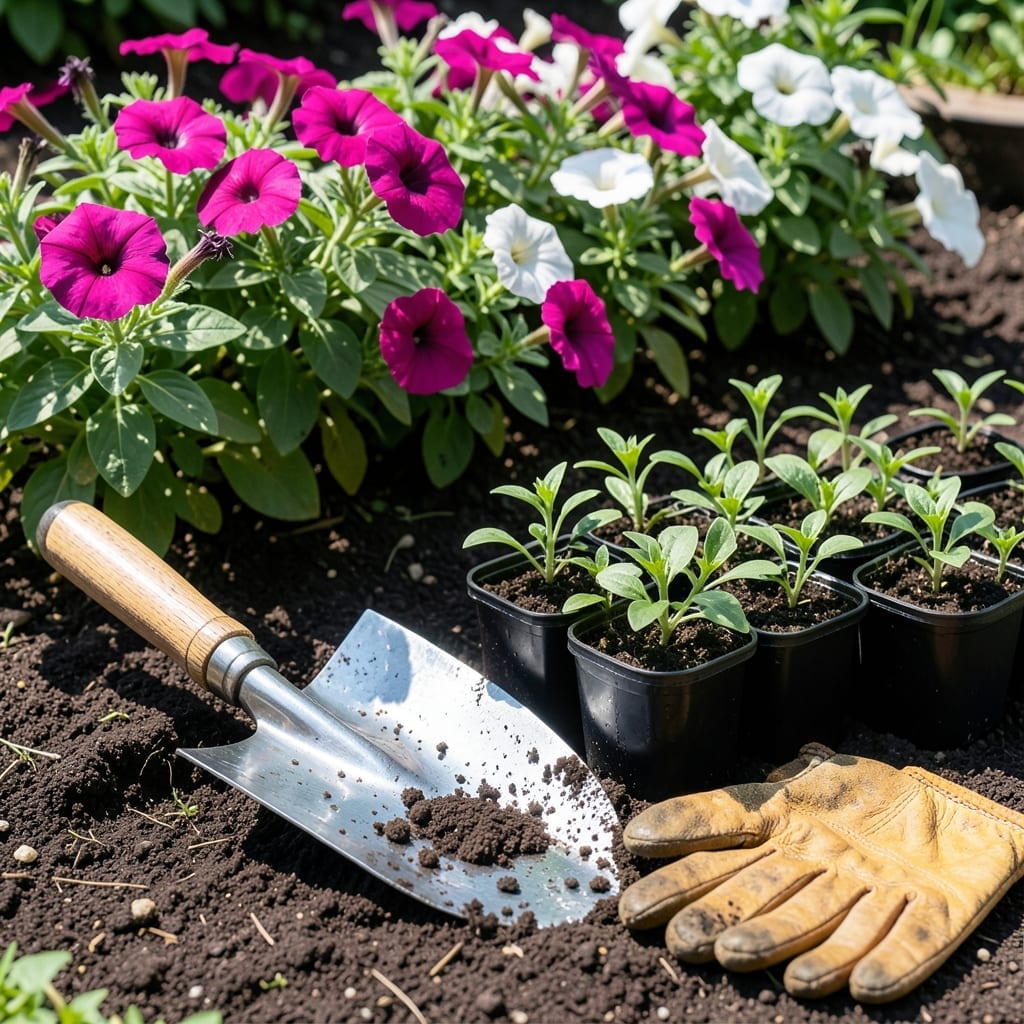
Timing is everything when planting Flowers in Michigan’s unpredictable climate. Whether you’re a seasoned gardener or just starting, knowing the perfect window can mean the difference between thriving blooms and a disappointing growing season.
In zones 5b-6a, spring planting typically begins in April through May, after the last frost. But that’s just the beginning of what you need to know to get it right.
I’ve learned through experience that even a week can make or break your garden’s success. The good news? With the right timing, you can enjoy vibrant blooms all season long.
Discover how to align your planting with Michigan’s unique climate for the best results. Your dream garden starts with this one crucial decision.
Michigan spans USDA zones 4-6, meaning planting times vary across the state. In zone 5, where most gardeners live, the last frost typically hits around May 15. This date is your green light for most flowers. 🌱
For annual flowers like marigolds or zinnias, wait until after this frost date. Perennials such as cone flowers can often go in 2-3 weeks earlier, as they tolerate cooler soil. 🌿
| Flower Type | Best Planting Time | Soil Temp | Frost Sensitivity |
|---|---|---|---|
| Annuals | After May 15 | 60°F+ | High |
| Perennials | Late April | 50°F+ | Moderate |
| Bulbs | Fall (Sept-Oct) | 55°F+ | Low |
| Cool-Season | Early April | 45°F+ | Low |
In northern Michigan (zone 4), the growing season is shorter. I recommend starting seeds indoors in March for flowers like petunias or impatiens. This gives them a head start before transplanting after the last frost. 🌻
For bulbs like tulips and daffodils, fall planting is key. Aim for September to October, before the ground freezes. This allows roots to establish before winter dormancy.
Soil temperature is just as important as air temperature. Use a soil thermometer to check. Most flowers need at least 50°F, but warm-season varieties like cosmos prefer 60°F or higher. ✂️
Michigan’s first frost usually arrives around October 15. To extend your season, plant fast-growing annuals like nasturtiums in late summer for a burst of color before winter.
If you’re in southern Michigan (zone 6), you might get away with planting a week or two earlier in spring. But always keep an eye on the 10-day forecast for unexpected cold snaps.
For container gardening, you can start a bit earlier. Pots warm up faster than ground soil, so I often plant my container annuals in early May with protection ready just in case.
Remember, microclimates matter. Urban areas, south-facing walls, and paved surfaces can create warmer pockets. I’ve had success planting heat-loving flowers like lantana in these spots a week earlier than the general recommendation. 🌷
Michigan’s climate offers two prime windows for flower planting: spring and fall. I’ve found that cool-season flowers like pansies and snapdragons thrive when planted early in spring, while warm-season varieties such as zinnias and marigolds prefer late spring.
For fall planting, consider hardy mums and astors that can handle Michigan’s cooler temperatures. The key is matching the flower type to the season’s conditions. Each window has its advantages for different blooms.
| Season | Best Flowers | Key Advantage |
|---|---|---|
| Spring | Pansies, Snapdragons | Early color, cool tolerance |
| Spring | Zinnias, Marigolds | Heat lovers, long bloom |
| Fall | Mums, Asters | Cool weather, fall color |
In my experience, spring planting gives you a head start on blooms, but requires watching for late frosts. Fall planting often results in established roots before winter, leading to stronger plants next year.
For the best results, I recommend starting cool-season annuals 4-6 weeks before the last frost, which is typically May 15 in most of Michigan. This timing allows them to establish before summer heat arrives.
Warm-season flowers should wait until soil temperatures reach at least 60°F, usually in late May. This ensures they won’t be stunted by cold soil, which I’ve seen happen too often with eager gardeners.
Remember that perennials can be planted in either season, but spring gives them the full growing season to establish. Fall planting works well for spring-blooming perennials like peonies and bleeding hearts.
By matching your flower choices to Michigan’s seasons, you’ll maximize your garden’s color and health throughout the year. 🌷