
Beautiful Plants For Your Interior
Beautiful Plants For Your Interior
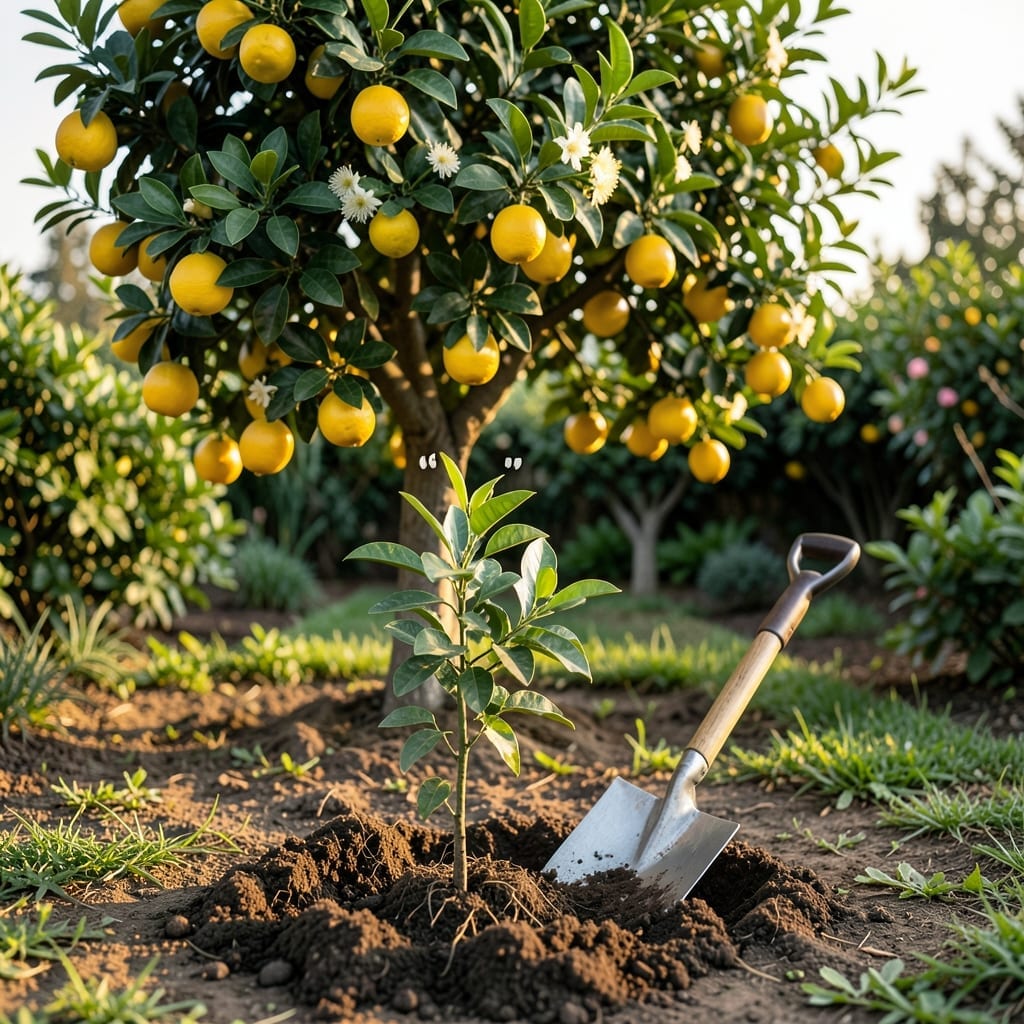
Timing is everything when planting Citrus Trees 🍊 in Florida—get it right and you’ll enjoy juicy oranges, lemons, and limes for years. Plant at the wrong time, and your trees may struggle to establish roots.
Florida’s unique climate means you can’t just follow generic planting advice. The difference between thriving trees and a frustrating struggle often comes down to a few critical weeks in spring.
I’ve seen too many gardeners make the mistake of planting too early or too late. The good news? There’s a simple window that gives your trees the best start.
Let me break down exactly when to plant and why this timing makes all the difference for your Florida Citrus Trees.
Florida’s diverse climate means planting timing varies by region. In North Florida, the window is tighter due to occasional frost risks, while South Florida offers more flexibility with its warmer winters.
I always recommend aligning your planting with soil temperature and the last frost date. For most areas, March through April is the sweet spot for establishing strong, healthy roots.
| Region | Best Planting Months | Key Consideration |
|---|---|---|
| North Florida | March – Early April | Avoid late frosts; soil must be 50°F+ |
| Central Florida | February – April | Longer window; watch for cold snaps |
| South Florida | Year-round (best: Oct-April) | Avoid summer heat stress and storms |
In North Florida, the last frost date is typically around mid-February. I recommend waiting until March to plant, ensuring the soil has warmed sufficiently for root development.
Central Florida enjoys a longer planting season. You can start as early as late February and extend through April. This region’s mild winters make it ideal for most citrus varieties.
South Florida is the most forgiving, with a year-round planting window. However, I’ve found that October through April yields the best results, avoiding the intense summer heat and hurricane season.
For all regions, morning planting is best. This gives your tree time to settle before the afternoon heat kicks in. Always water deeply after planting to help the roots establish quickly.
If you’re in a frost-prone area, consider planting near a south-facing wall or using frost cloth for added protection during the first winter. This small step can make a big difference in survival rates.
Remember, container-grown citrus can be planted any time of year, but bare-root trees should only go in the ground during the optimal windows. This ensures they have the best chance to thrive.
I’ve seen gardeners rush to plant in early spring, only to lose trees to a late frost. Patience pays off—wait for consistent warm weather and stable soil temperatures before planting.
Finally, always check your local weather forecast and soil conditions. A little research can save you from costly mistakes and set your citrus trees up for years of bountiful harvests 🌳
While timing is crucial, other factors can make or break your citrus tree success in Florida. I’ve learned that soil pH and drainage are just as important as picking the right month to plant.
Florida’s sandy soil often needs amendments to retain moisture and nutrients. I always test my soil pH first—citrus thrives in 6.0 to 7.0 range. Adding compost or peat moss can help adjust it.
Sunlight is another non-negotiable. Your citrus tree needs 6-8 hours of direct sun daily. In Florida, this is usually easy, but watch for shade from buildings or other trees.
Variety selection matters too. Early-season types like ‘Navel’ oranges do well in North Florida, while ‘Valencia’ thrives in the warmer south. Choose based on your region’s climate.
Don’t overlook wind protection. Florida’s storms can damage young trees. I plant near a fence or wall or use stakes for support during the first year.
Finally, watering consistency is key. New trees need deep watering 2-3 times a week for the first month, then taper to weekly. Always check soil moisture before watering 🌿