
Beautiful Plants For Your Interior
Beautiful Plants For Your Interior
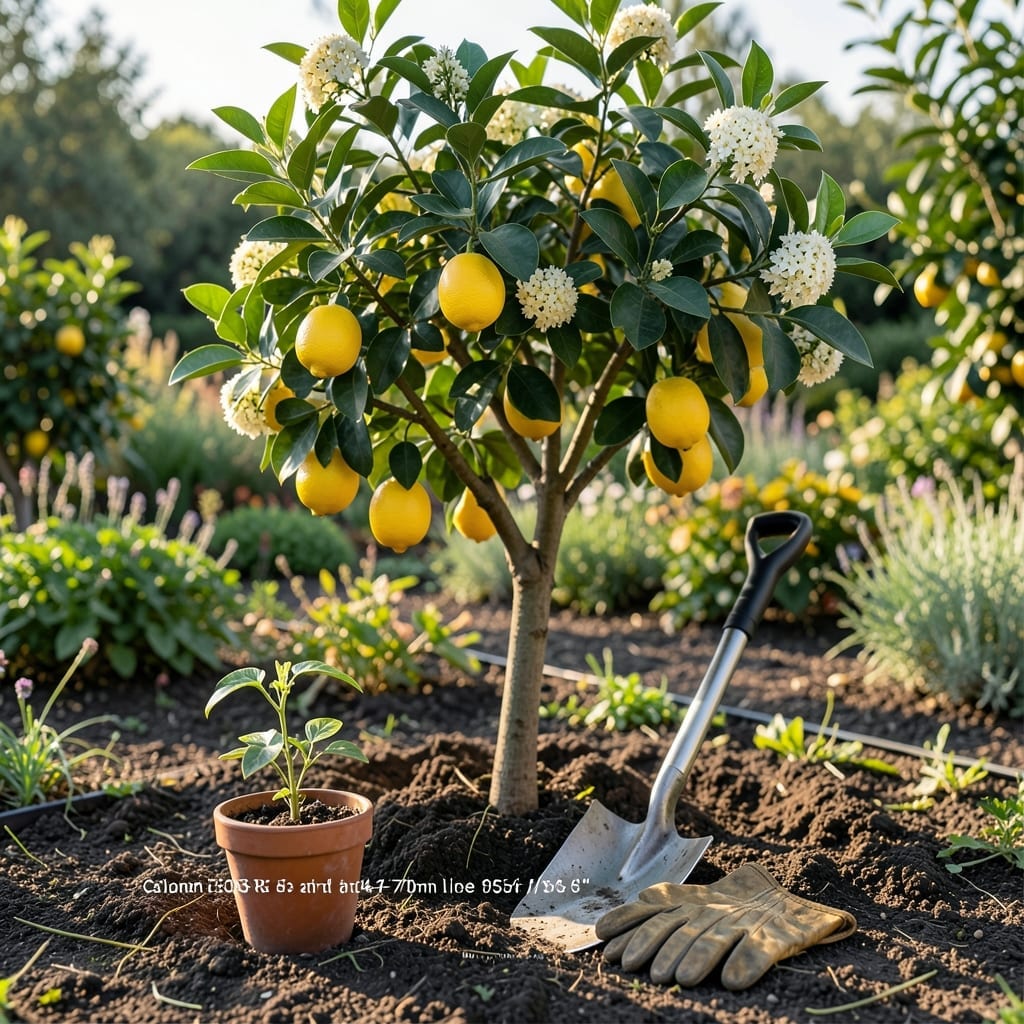
Timing is everything when planting Citrus Tree 🍊 in Arizona’s desert climate. Plant too early or late, and frost or heat stress could ruin your harvest before it even begins.
Here in zone 9b, the window between February and April offers the best chance for success. This period avoids the worst of winter frosts while giving roots time to establish before summer heat.
I’ve seen many gardeners struggle by planting in fall, only to watch their young trees battle unexpected cold snaps. The spring window provides a more reliable start for your citrus.
Let me walk you through why this timeline works and how to prepare your soil for optimal growth. Your future harvest depends on getting this right.
Planting citrus trees in Arizona requires precise timing to avoid frost damage and heat stress. The desert’s extreme temperatures can make or break your tree’s first year. I always recommend aligning your planting schedule with the last frost date for your area.
In Phoenix and Tucson, the ideal window spans from late February to early April. Higher elevations, like Prescott or Flagstaff, may need to wait until mid-April to avoid late frosts. This timing allows roots to establish before the scorching summer hits.
For low-desert areas, February to March is prime time. The soil warms up enough for root growth but isn’t yet stressed by 100°F+ days. I’ve seen trees planted in this window thrive with proper mulching and deep watering routines.
If you’re in higher elevations, waiting until April or May is safer. The last frost date can be as late as May 10 in places like Flagstaff. Planting too early here risks cold damage to tender new growth.
Fall planting is possible but riskier. While September to October might seem ideal, young trees can struggle to establish roots before winter dormancy. If you choose this route, protect them with frost cloth and ensure consistent watering.
Always check your local microclimate. Urban areas, like central Phoenix, often have warmer pockets due to the heat island effect. In contrast, rural or foothill locations may experience cooler nights that delay planting.
Soil preparation is key regardless of timing. I recommend testing soil pH (citrus prefers 6.0–7.0) and amending with compost or sand to improve drainage. Poor drainage can be just as deadly as frost in Arizona’s clay-heavy soils.
Finally, container-grown citrus offers flexibility. You can start trees in pots and move them indoors during cold snaps or extreme heat. This method is perfect for renters or those testing their green thumb before committing to in-ground planting.
No matter your region, morning planting reduces transplant shock. The cooler temps and lower sun intensity give your tree a gentler start in its new home. 🌿
In Arizona, I’ve found that planting citrus trees in late winter to early spring gives them the best start. The mild temperatures help roots establish before the intense summer heat hits.
Fall planting might seem tempting, but the risk of frost in higher elevations can damage young trees. Additionally, winter watering can be tricky in our dry climate.
During February and March, the soil is warm enough to encourage root growth but not so hot that it stresses the newly planted tree. This window also aligns with the last frost dates in most of Arizona.
I always recommend checking your local frost dates to be sure. In Phoenix and Tucson, you can plant as early as January, but higher elevations like Flagstaff should wait until April.
Another advantage of spring planting is that you can monitor water needs more easily. The warmer days mean the soil dries out faster, so you’ll need to water deeply every 7-10 days.
If you do plant in fall, be prepared to protect your tree from unexpected frosts with frost cloth or other coverings. It’s an extra step, but it can make all the difference for young citrus trees.
Ultimately, late winter to early spring is my top recommendation for the best results in Arizona’s unique climate ☀️