
Beautiful Plants For Your Interior
Beautiful Plants For Your Interior
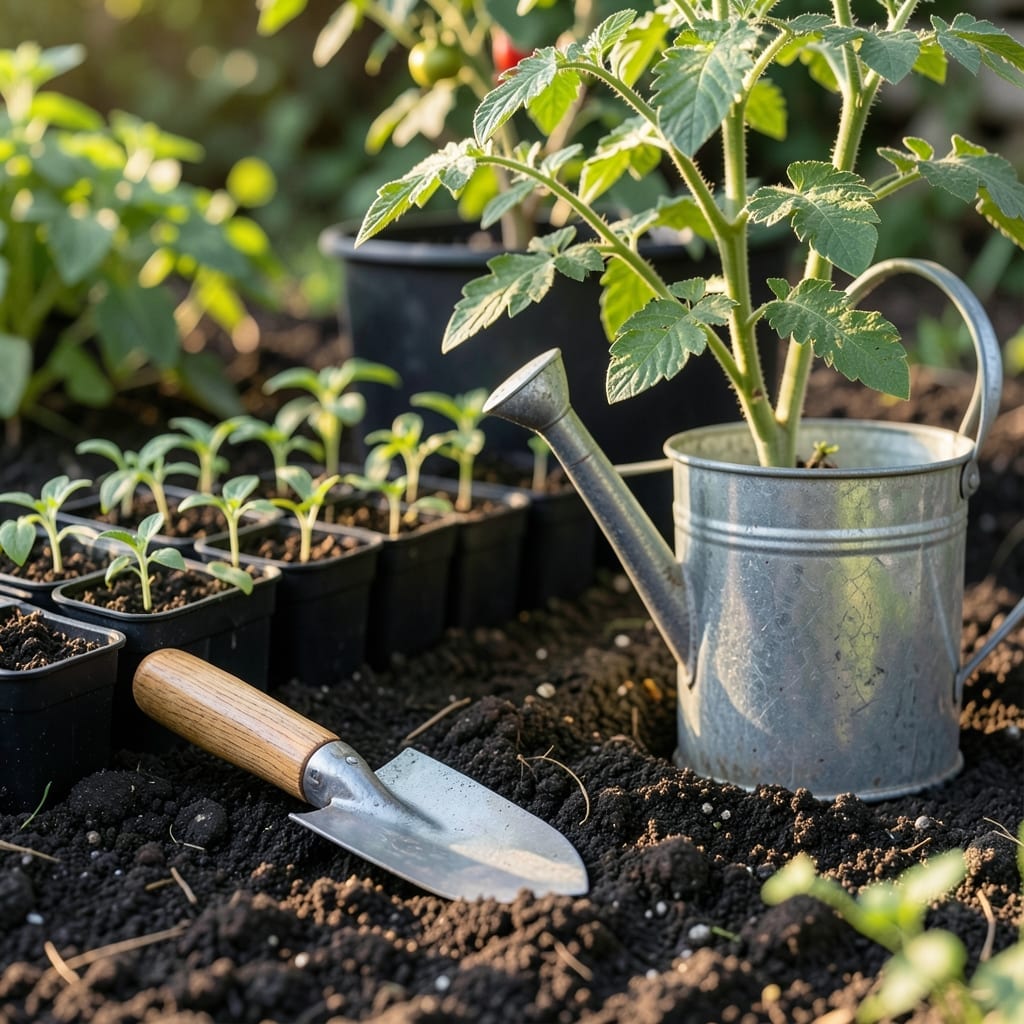
Timing is everything when planting your 🌱 Garden in Ohio, where unpredictable weather can make or break your harvest. I’ve learned the hard way that guessing the right moment often leads to disappointment.
Ohio’s 6a-6b zones come with unique challenges, but there’s a simple way to align your efforts with nature’s rhythm. Whether you’re a first-timer or a seasoned gardener, nailing the timing is the key to success.
From frost dates to soil warmth, I’ll break down exactly when to start for thriving plants. No more wondering if you’re too early or too late.
Discover the seasonal windows that work best for Ohio’s climate and set your Garden up for a bountiful year.
In Ohio’s Zone 5-6, timing your planting right means the difference between a bountiful harvest and a struggling garden. The state’s last frost date typically falls between April 15 and May 15, but this can shift slightly depending on your exact location.
For cool-season crops like lettuce, spinach, and peas, I start planting as soon as the soil is workable in early spring, often late March to early April. These hardy plants can handle light frosts and even thrive in cooler temperatures.
| Season | Crop Type | Planting Time | Examples |
|---|---|---|---|
| Early Spring | Cool-Season | March – April | Peas, Spinach, Lettuce |
| Late Spring | Warm-Season | May – June | Tomatoes, Peppers, Beans |
| Summer | Warm-Season | June – July | Cucumbers, Squash, Corn |
| Fall | Cool-Season | August – September | Kale, Carrots, Radishes |
As the soil warms up in late April to May, I switch to warm-season crops like tomatoes, peppers, and beans. These plants need soil temperatures above 60°F to germinate and grow properly.
For summer planting, I focus on fast-growing crops like bush beans or zucchini in June and July. These can still produce a full harvest before the first frost hits in mid-October.
Don’t overlook fall planting! I always sow cool-season crops like kale and radishes in August and September. They’ll mature in the cooler weather and often taste sweeter after a light frost.
If you’re unsure about your local frost dates, I recommend checking with your county extension office or using an online frost date calculator. These tools provide hyper-local data that can fine-tune your planting schedule.
Remember, soil temperature is just as important as air temperature. I use a soil thermometer to ensure the earth is warm enough—at least 50°F for cool-season crops and 60°F or higher for warm-season varieties.
For perennials and flowers, timing varies. I plant bare-root perennials in early spring or fall, while annual flowers go in after the last frost. This ensures they establish strong root systems before extreme temperatures hit.
Finally, always harden off seedlings before transplanting. I gradually expose my young plants to outdoor conditions over 7-10 days to prevent transplant shock and give them the best start possible.
🌱Ohio’s diverse microclimates mean planting times can vary. In urban areas, heat islands may allow earlier planting, while lake-effect zones near Erie stay cooler longer. I always check local conditions.☀️
For elevated terrain, expect cooler temps and later planting. Watch for soil warmth—at least 50°F for cool crops, 60°F+ for warm ones. I use a soil thermometer to be sure.
I start cool-season crops like spinach and peas in early spring in sheltered spots. These tolerate light frosts and thrive in 45-75°F ranges.🌱
For warm-season plants like tomatoes, I wait until after last frost—usually mid-May in most areas. In Cincinnati’s urban core, I might plant a week earlier.
I monitor 10-day forecasts before planting. A late cold snap can ruin tender seedlings. I keep frost cloth handy just in case.
Remember, microclimates can shift yearly. I adjust based on real-time conditions, not just calendar dates. This flexibility has saved my pepper plants many times.🌿