
Beautiful Plants For Your Interior
Beautiful Plants For Your Interior
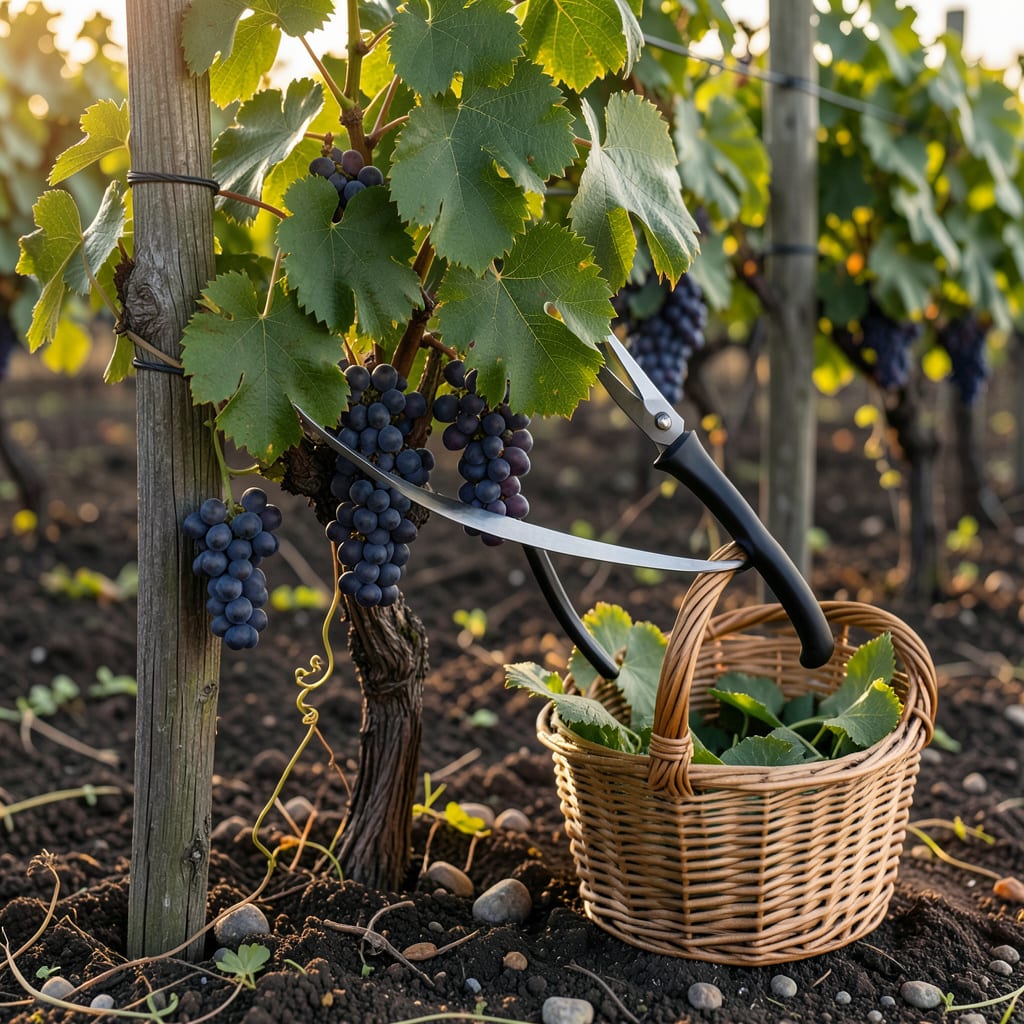
Knowing the perfect moment to harvest 🍇 Grape can mean the difference between tart disappointment and a burst of sweet, sun-ripened flavor. Timing is everything when it comes to picking grapes at their peak.
I’ll show you how to read the most important signs—from color changes to sugar levels—so you never miss that ideal August – October window again. Let’s make every harvest your best yet.


Timing your grape harvest perfectly starts with knowing your variety. Table grapes, wine grapes, and Concord grapes each have unique ripeness indicators. Color changes are the first visual cue, but don’t rely on that alone.
For red grapes, look for deep, consistent color. White grapes often develop a translucent, golden hue when ready. But the real test is in the taste and sugar content. I always use a Brix meter to measure sugar levels.
🍇 Grape Ripeness Indicators by Variety
| Variety | Color Cue | Brix Range | Seed Color |
|---|---|---|---|
| Table Grapes | Full deep color | 18-22% | Brown |
| Wine Grapes | Variety-specific | 22-26% | Brown/Black |
| Concord | Deep purple-blue | 16-20% | Dark brown |
The taste test is my favorite method. Sample berries from different clusters as they may ripen at slightly different rates. A ripe grape should be sweet with balanced acidity and have its variety’s characteristic flavor.
For seedless varieties, check that the berries are plump and the skin isn’t too tough. The berry should separate easily from the stem with a gentle tug. If it resists, it’s not ready yet.
Weather plays a role too. Warm, sunny days leading up to harvest help develop sugars. A cool, rainy spell might delay ripening. I’ve noticed that grapes often ripen 1-2 weeks earlier in warmer climates versus cooler regions.
Don’t forget the aroma test. Ripe grapes develop a sweet, fruity smell at the stem end. This is especially noticeable with muscadine grapes, which have a particularly strong fragrance when ready.
The stem and leaf condition can offer clues too. When grapes are nearing ripeness, the stem near the cluster often turns woody and brown. The leaves might start showing early fall colors as the vine focuses energy on the fruit.
Remember that harvest timing can vary even within the same vineyard. South-facing clusters typically ripen first as they receive more sunlight. I always check these first when determining if it’s time to start picking.
For the most accurate results, I recommend testing multiple indicators. Combine visual cues with Brix measurements and taste tests. When all three align, you can be confident your grapes are at their peak August – October window. ☀️
The best time to pick grapes often aligns with late summer to early fall, typically August through October. But nature gives us clearer signals than just the calendar. I watch for visual and environmental cues that tell me my vines are ready.
Weather patterns play a huge role. A stretch of warm, sunny days followed by cool nights helps grapes develop their sugars and flavors. This is especially true for wine grape varieties that need that perfect balance of sweetness and acidity.
🌱 Top 5 Climate Signs Your Grapes Are Ready
The vine’s appearance offers important clues. When grapes are nearing ripeness, the leaves may start to change color slightly, signaling the plant is shifting energy from growth to fruit maturation. The canes also become more woody as harvest approaches.
Berry texture changes noticeably. Ripe grapes feel plump and slightly soft when gently squeezed. The skin develops a waxy bloom that’s especially visible on dark grape varieties. This natural coating helps protect the fruit.
Regional differences can shift your harvest window. In warmer climates like California, grapes may ripen earlier by 2-4 weeks. Cooler areas like the Pacific Northwest often see harvests later in September or even October for some varieties.
I always recommend checking multiple clusters on your vine. Those on the south or west side typically ripen first as they receive the most sunlight. Start your testing there, then move to shadier clusters as the season progresses. ☀️
Even experienced gardeners can mess up grape harvesting by jumping the gun or waiting too long. I’ve seen entire crops ruined by picking during a rainy spell or ignoring the weather forecast for the week ahead.
One of the biggest mistakes is harvesting too early. Grapes won’t continue ripening after picking, so if they’re still tart or hard, you’ve missed your chance. Conversely, leaving them too long can lead to overripe, mushy fruit that attracts pests.
⚠️ Avoid These Grape Harvesting Pitfalls
Another common error is not checking multiple clusters. Grapes on the sunny side of the vine often ripen 1-2 weeks earlier than those in shade. I always test berries from different parts of the plant to get a true picture.
Weather timing is crucial. Never harvest when rain is forecast within 24-48 hours. The added moisture can cause berries to split or develop fungal issues. I check the 10-day forecast before making my final decision.
Finally, don’t forget about post-harvest care. Handle grapes gently to avoid bruising the thin skins. Store them in a cool, well-ventilated area immediately after picking. Proper handling ensures your hard work pays off with perfectly ripe grapes. ✂️
Check for deep, consistent color and a waxy bloom on the skin. Gently squeeze a berry—it should feel plump and slightly soft. Ripe grapes also separate easily from the stem with a light tug.
Table grapes often ripen between 18-22% Brix, while wine grapes need 22-26%. Concord grapes typically reach 16-20%. Each type has unique color and seed cues too.
Harvest during cool morning hours to preserve fruit quality. Avoid picking in direct sunlight or after rain, as wet berries can split. Store them in a cool, ventilated area immediately.
Yes! Picking too early means tart, hard fruit that won’t ripen further. Waiting too long can lead to overripe, mushy grapes that attract pests. Always test multiple clusters first.
