
Beautiful Plants For Your Interior
Beautiful Plants For Your Interior
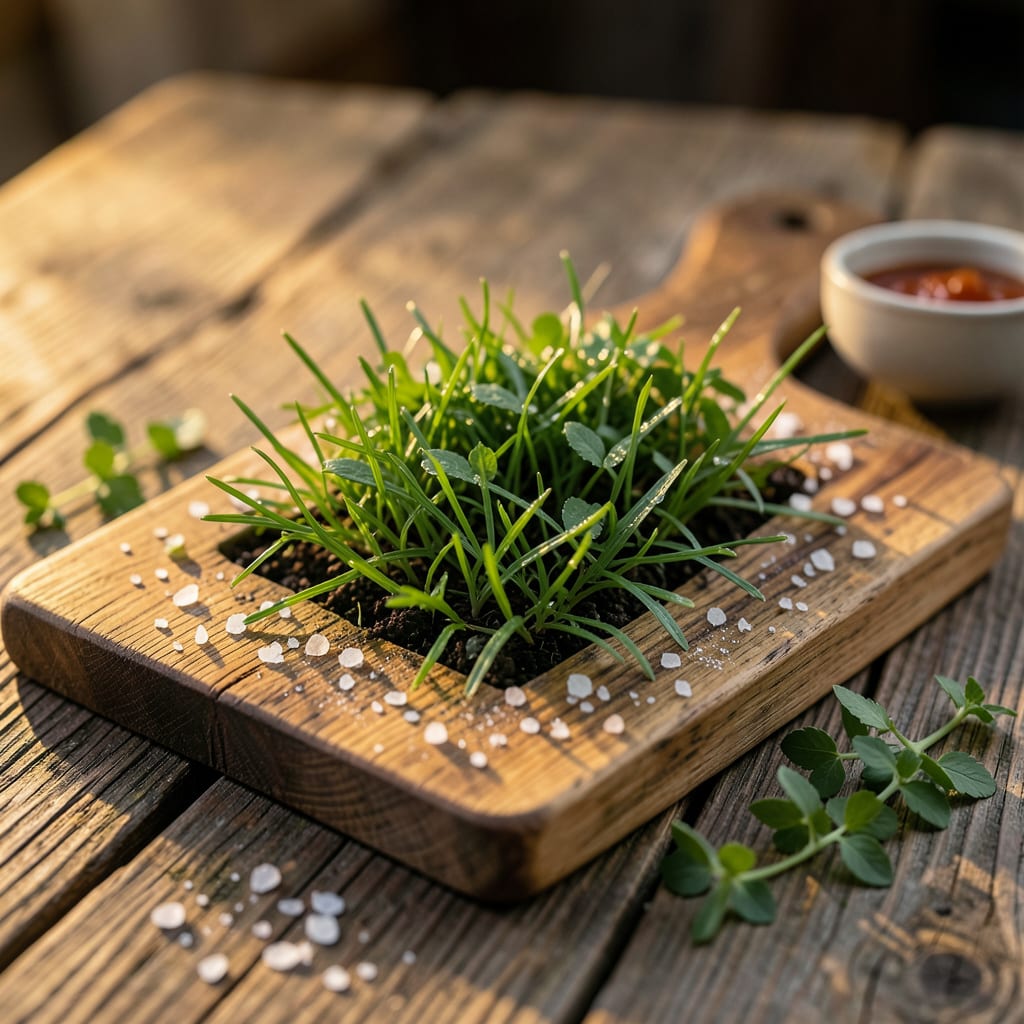
Fertilizing your Lawn Grass 🌿 at the right time can make all the difference between a lackluster lawn and a lush, vibrant one. Timing is everything, and getting it right is crucial for optimal growth.
In USDA Zone 6, the ideal times to fertilize are during the growing seasons of spring and fall. I’ll guide you through the best practices for fertilizing your Lawn Grass to achieve that perfect lawn you’ve always wanted.

The best time to fertilize your lawn depends on the type of grass you have and your local climate. Cool-season grasses thrive in cooler temperatures, while warm-season grasses prefer warmer weather 🌿.
In general, the ideal times to fertilize your lawn are during the growing seasons of spring and fall. For cool-season grasses, fertilize in early fall or spring when the grass is actively growing. For warm-season grasses, fertilize in late spring or early summer when the grass is growing rapidly 🌻.
Cool-season grasses like Kentucky bluegrass and perennial ryegrass have different fertilization needs than warm-season grasses like Bermudagrass and zoysiagrass. Understanding your grass type is crucial for determining the best fertilization schedule 🌿.
For lawns with cool-season grasses, a fall fertilization is particularly important as it helps the grass recover from summer stress and promotes root growth during the cooler months. Spring fertilization can also be beneficial, providing the necessary nutrients for the grass to green up and grow vigorously 🌱.
Warm-season grasses, on the other hand, benefit from late spring or early summer fertilization. This timing supports their active growth period and helps them withstand the heat of summer. However, be cautious not to over-fertilize, as this can lead to excessive growth and increased water needs 🔥.
It’s also important to consider your local climate and weather patterns when planning your lawn fertilization. Areas with mild winters may require adjustments to the fertilization schedule compared to regions with harsh winters ❄️.
In regions with mild winters, you may need to adjust your fertilization schedule accordingly. For example, in USDA Zone 6, where the last frost is around April 15 and the first frost is around October 15, the growing season is a key factor in determining fertilization timing 📆.
Ultimately, the key to successful lawn fertilization is understanding the specific needs of your lawn based on its grass type, local climate, and soil conditions. By fertilizing at the right time and with the appropriate type of fertilizer, you can promote a healthy, lush lawn that enhances your outdoor space 🌳.
For more detailed guidance, consider consulting with a local gardening expert or extension service. They can provide tailored advice based on your specific lawn care needs and local conditions 📞.
By following these guidelines and adjusting them according to your lawn’s specific requirements, you can achieve a vibrant and healthy lawn throughout the year 🌸.
Before fertilizing your lawn, it’s essential to consider several factors to ensure you’re applying the right type and amount of fertilizer at the optimal time 🌿.
Grass type is a critical factor, as different types have varying fertilization needs. Cool-season grasses like Kentucky bluegrass and perennial ryegrass require more frequent fertilization during their active growing periods, while warm-season grasses like Bermudagrass and zoysiagrass need less frequent applications 🌱.
Test your soil to determine its nutrient content and pH level. This information will help you choose the right fertilizer and avoid over-fertilizing, which can harm your lawn and the environment.
Soil condition is another vital factor to consider. Lawns with poor soil quality may require more frequent fertilization or the use of specific types of fertilizers that address soil deficiencies 🌳.
Weather patterns also play a significant role in determining the best time to fertilize your lawn. Avoid fertilizing during extreme weather conditions, such as droughts or heavy rainfall, as this can impact the effectiveness of the fertilizer and potentially harm your lawn ⛈️.
Fertilizer type is also crucial, as different types have varying application rates and timing requirements. For example, slow-release fertilizers provide nutrients to the lawn over an extended period, while quick-release fertilizers provide an immediate boost 🌟.
By considering these factors and adjusting your fertilization schedule accordingly, you can promote a healthy, lush lawn that enhances your outdoor space 🌸.
For more detailed guidance, consider consulting with a local gardening expert or extension service. They can provide tailored advice based on your specific lawn care needs and local conditions 📞.
Ultimately, the key to successful lawn fertilization is understanding the specific needs of your lawn and adjusting your fertilization schedule accordingly. By doing so, you can achieve a vibrant and healthy lawn throughout the year 🌿.
I recommend fertilizing your lawn at the right time to achieve optimal growth and maximum results. The key is to understand the specific needs of your lawn based on its grass type, local climate, and soil conditions 🌿.
Select a balanced fertilizer that matches your lawn’s nutrient needs. Consider a slow-release formula for sustained nutrition and reduced waste.
Fertilize during the growing season when your lawn is actively growing. For cool-season grasses, this is typically in early spring or fall. For warm-season grasses, fertilize in late spring or early summer 🌱.
Always follow the recommended application rates to avoid over-fertilizing, which can harm your lawn and the environment. Use a spreaders to ensure even coverage 📦.
By following these expert tips, you can achieve a healthy and lush lawn that enhances your outdoor space 🌳.
For more detailed guidance, consider consulting with a local gardening expert or extension service. They can provide tailored advice based on your specific lawn care needs and local conditions 📞.
Ultimately, the key to successful lawn fertilization is understanding your lawn’s specific needs and adjusting your fertilization schedule accordingly. By doing so, you can achieve a vibrant and healthy lawn throughout the year 🌸.
Fertilize your lawn every 4-6 weeks during the growing season, typically in spring and fall. The exact frequency depends on your grass type and local climate .
For warm-season grasses, a light feeding in June or July can be beneficial. However, avoid fertilizing during extreme heat or drought to prevent stressing the lawn .
Choose a balanced fertilizer (e.g., 10-10-10 NPK) that matches your lawn’s nutrient needs. Consider a slow-release formula for sustained nutrition and reduced waste .
Yes, testing your soil is crucial to determine its nutrient content and pH level. This helps you choose the right fertilizer and avoid over-fertilizing, which can harm your lawn and the environment .
