
Beautiful Plants For Your Interior
Beautiful Plants For Your Interior
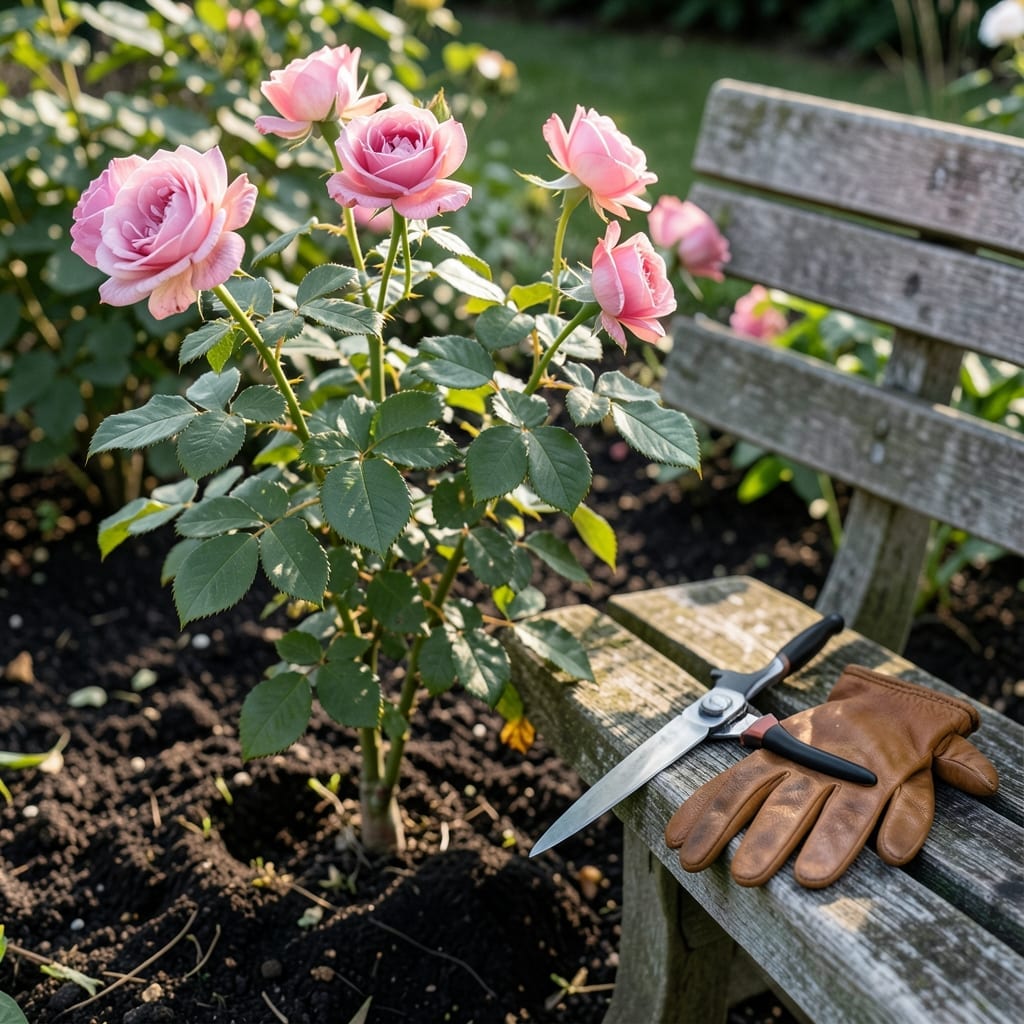
Pruning rose bushes at the right time can mean the difference between lackluster blooms and a vibrant, healthy garden bursting with color. Timing is everything when it comes to encouraging new growth and preventing disease.
I’ve learned that late winter or early spring is the most important window for the 🌹 Rose in zone 6, just as the plant starts waking up from dormancy. This timing sets the stage for a season of abundant flowers.
Discover how to get it right and avoid the common mistakes that leave gardeners frustrated. Your roses will thank you with their best blooms yet.
Timing your pruning right can make all the difference in your rose bushes’ health and blooming potential. I always aim for late winter or early spring, just as new growth begins to appear.
This window, typically 6-8 weeks before your last frost date, allows roses to heal quickly and focus energy on producing vibrant blooms. It’s nature’s perfect reset button for these beautiful shrubs.
Best Pruning Times by Rose Type
| Rose Type | Best Time to Prune |
| Hybrid Tea | Late winter or early spring |
| Climbing Roses | After first bloom in summer |
| Shrub Roses | Early spring or after flowering |
| Old Garden Roses | After spring bloom cycle |
For hybrid tea roses, the most common type, pruning in late winter removes dead wood and shapes the plant. This timing prevents winter damage while encouraging strong new canes.
Climbing roses are different—they bloom on old wood, so I wait until after their first flush of flowers to prune. This ensures I don’t accidentally cut off potential blooms.
If you’re in a warmer climate, you might prune as early as January or February. Cooler zones should wait until March or April when the worst frost has passed.
Watch for natural signs too. When forsythia blooms in your area, it’s often the perfect cue to start pruning your roses. This visual marker works across many regions.
Remember that fall pruning can be risky. Cutting back too late in the season may encourage new growth that won’t harden off before winter, leaving your roses vulnerable.
For once-blooming roses, like some heirloom varieties, prune immediately after they finish flowering. These types produce blooms on old wood, so timing is crucial.
No matter the type, always use clean, sharp tools and make cuts at a 45-degree angle just above an outward-facing bud. This simple technique promotes healthy growth patterns.
Proper timing and technique will reward you with bigger blooms, better air circulation, and a rose bush that thrives for years to come ✂️
Pruning roses properly starts with the right tools and timing. I always use sharp bypass pruners and long-handled loppers for thicker canes. Clean tools prevent disease spread between cuts.
Begin by removing dead or diseased wood, cutting back to healthy tissue. Then, open the center by trimming inward-growing canes to improve air circulation. This step reduces fungal issues later.
Pruning Steps for Healthy Roses
For hybrid tea roses, I shape them into an open vase form. This allows sunlight to reach the center, preventing mildew and encouraging even blooming throughout the bush.
Climbing roses need a gentler touch. I only remove old, non-productive canes at the base and shorten lateral branches. This maintains their structure while controlling size.
Always make cuts 1/4 inch above an outward-facing bud. This directs new growth outward, creating a better-shaped plant and preventing crowded centers where diseases thrive.
After pruning, I clean up all fallen leaves and debris around the base. This removes potential disease sources. A light application of balanced fertilizer helps roses recover quickly.
Proper pruning technique combined with ideal timing results in roses that bloom more abundantly and resist diseases better. Your garden will thank you with vibrant, healthy plants all season long ✂️