
Beautiful Plants For Your Interior
Beautiful Plants For Your Interior
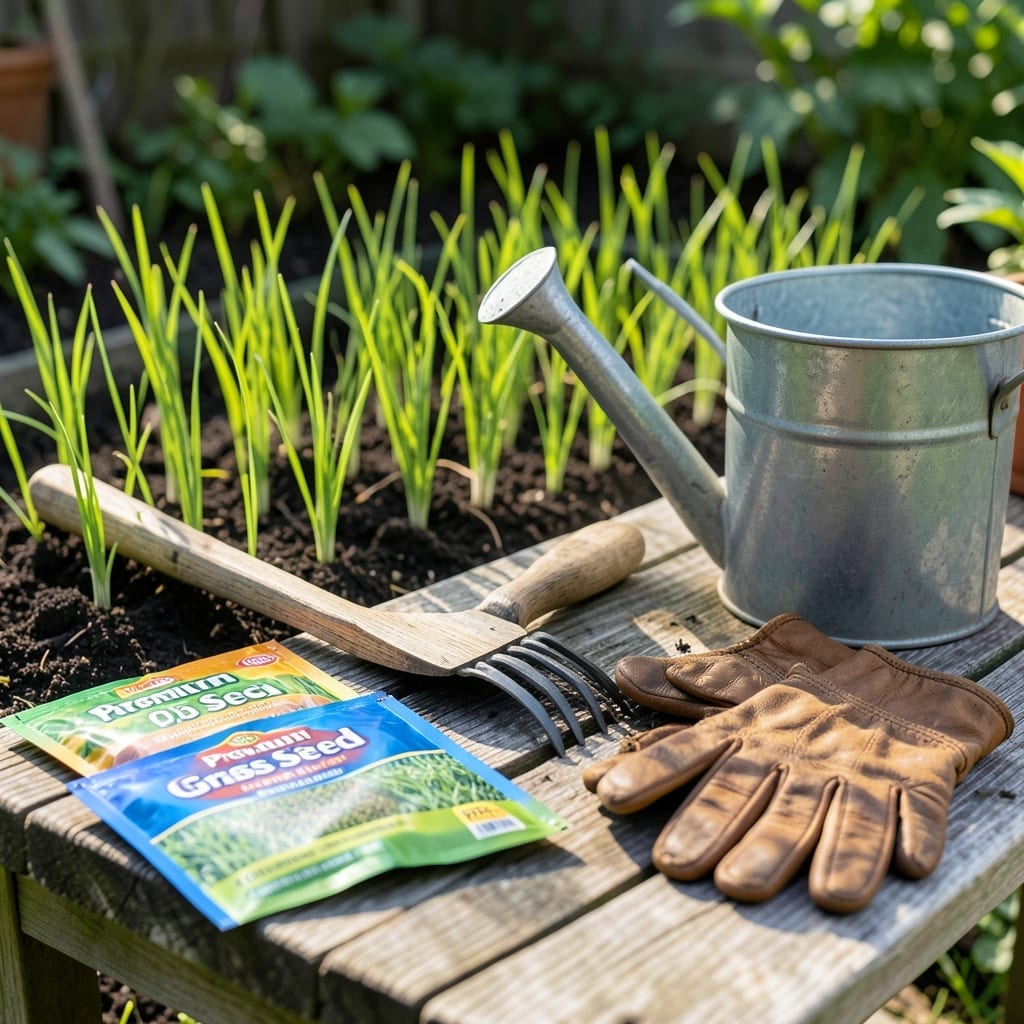
Timing is everything when planting Grass seed in spring—plant too early and frost may kill your seeds, too late and summer heat could stress young sprouts.
I’ve learned the hard way that getting this right makes the difference between a patchy lawn and a lush carpet of green. The 🌱 Grass in zone 6 thrives when conditions are just right.
Discover the perfect window between March and May when soil temperatures hit that sweet spot. It’s not just about the calendar—it’s about what your soil and weather are telling you.
Let me walk you through how to read these signs and set your lawn up for success. The results will speak for themselves.
I’ve found that the best time to plant grass seed in spring is when soil temperatures consistently reach 50-65°F. This is the sweet spot for germination.
In USDA Zone 6, this typically falls between late March and early May. But don’t just go by the calendar—check your local frost dates too.
| Condition | Specification |
|---|---|
| Soil Temperature | 50-65°F |
| Air Temperature | 60-75°F |
| Last Frost Date | After April 15 |
| Soil Moisture | Consistently moist |
| Sunlight | 6+ hours daily |
For cool-season grasses like Kentucky Bluegrass or Tall Fescue, aim for the earlier end of this window. These varieties thrive in cooler temps.
If you’re planting warm-season grasses like Bermuda or Zoysia, wait until late spring when soil temps are closer to 65-70°F.
I always recommend using a soil thermometer to check conditions. Just insert it 2-3 inches deep in the morning for the most accurate reading.
Another trick is to watch for dandelions blooming—this is nature’s sign that soil temps are right. But don’t rely on this alone; always verify with a thermometer.
Moisture is key during germination. I water lightly 2-3 times daily for the first 2 weeks to keep the top inch of soil damp. Avoid heavy watering that could wash seeds away.
Don’t forget to test your soil pH before planting. Grass prefers a slightly acidic to neutral pH (6.0-7.5). A simple test kit from your garden center will do the trick.
If your soil is too compacted, aerate before planting. This helps seeds make direct contact with soil, which is crucial for germination. I use a core aerator for best results.
Finally, remember that regional climates vary. In warmer zones, you might start 2-3 weeks earlier than in cooler areas. Always adjust based on your local conditions.
With these conditions met, you’ll see green sprouts in 7-21 days, depending on the grass type. It’s incredibly rewarding to watch your lawn come to life 🌱
I always start with soil preparation before planting grass seed. First, I remove debris and loosen the top 2-3 inches of soil with a rake to create a fine seedbed.
Aeration is next on my list. I use a core aerator to pull small plugs of soil, which improves seed-to-soil contact and helps roots establish faster.
For seed selection, I match the grass type to my climate. In cooler regions, Kentucky Bluegrass or Tall Fescue work well. For warmer areas, I’d choose Bermuda or Zoysia. 🌱
When spreading seed, I use a broadcast spreader for even coverage. I divide the seed into two equal parts and spread them in perpendicular directions to avoid bare spots.
After planting, I lightly rake the area to ensure seed-to-soil contact. Then I apply a thin layer of straw mulch to retain moisture and protect seeds from birds.
Watering is critical in the first 2 weeks. I water lightly 2-3 times daily to keep the soil surface moist but not soggy. Once seeds germinate, I reduce to daily deep watering.
I avoid walking on the newly seeded area for at least 4 weeks to give roots time to establish. The first mowing happens when grass reaches 3-4 inches, never removing more than 1/3 of the blade at once.