
Beautiful Plants For Your Interior
Beautiful Plants For Your Interior
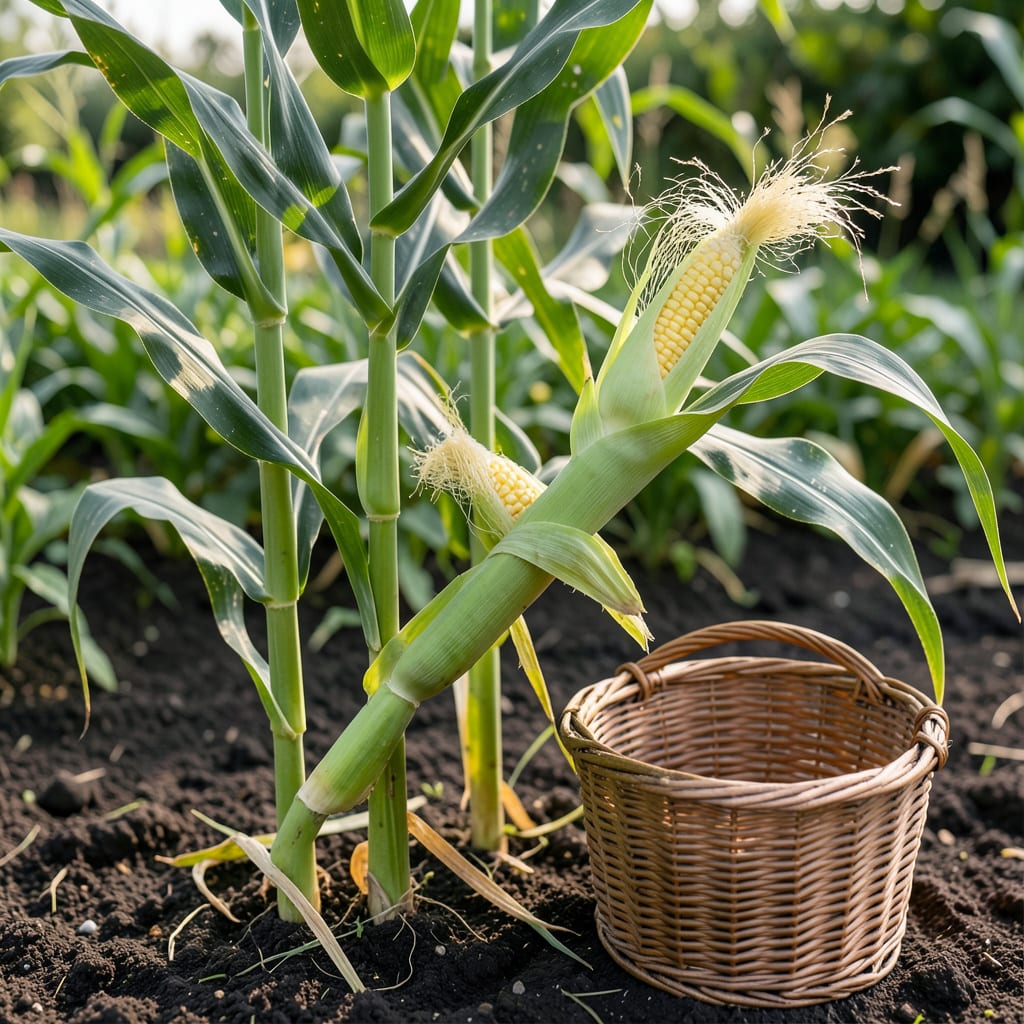
Nothing beats the taste of freshly picked 🌽 Sweet Corn, but timing is everything. Harvest too early and the kernels will be starchy, wait too long and they lose their sweetness.
I’ll show you the foolproof signs to check for perfect ripeness. From silk color to kernel texture, you’ll learn how to pick at peak flavor every time.


Timing your sweet corn harvest perfectly means watching for visual cues and using simple tests. I always start by examining the husk and silks, as these are the first indicators of ripeness. The husk should be green and tightly wrapped around the ear.
The silk color is another key sign. When it turns brown and dry, your corn is likely ready. But don’t stop there—feel the ear through the husk. A ripe ear will feel plump and firm, not skinny or underfilled.
| Sign | Ripe Indicator |
|---|---|
| Silk Color | Brown and dry |
| Husk Appearance | Green and tight |
| Ear Firmness | Plump and full |
| Kernel Test | Milky liquid when pierced |
The kernel test is my go-to method for confirming ripeness. Gently peel back the husk and pierce a kernel with your fingernail. If the liquid that comes out is milky white, your corn is at its peak. Clear liquid means it’s not ready yet, while a thick, pasty substance indicates it’s overripe.
Another tactic is checking the ear’s weight. Ripe sweet corn feels heavy for its size because the kernels are filled with moisture. If the ear feels light, it’s likely not mature enough to harvest.
The timing of your planting also helps predict ripeness. Most sweet corn varieties take 60 to 100 days to mature. If you planted in late spring, start checking for signs around early to mid-summer.
Environmental factors like temperature and rainfall can speed up or delay ripening. Hot, dry conditions may accelerate maturity, while cool, wet weather can slow it down. Keep an eye on your plants and adjust your checks accordingly.
I also look for tassels at the top of the stalk. When they turn brown and start drying, it’s a sign that pollination has occurred, and the ears are nearing ripeness. This usually happens a few days before the silks brown.
Remember, sweet corn loses its sweetness quickly after picking, so harvest in the early morning when sugar content is highest. Store it in the fridge immediately if you’re not eating it right away.
By combining these visual, physical, and timing cues, you’ll never miss the perfect harvest window. Happy picking! 🌽
I always recommend harvesting sweet corn in the early morning for the best flavor. The sugar content is highest at this time because the cool overnight temperatures slow the conversion of sugars to starches.
As the day heats up, the natural sugars in the kernels begin to break down. Picking in the late afternoon or evening can result in less sweet corn, even if the ears look ripe.
💡 Pro Tip: For the sweetest harvest, pick your corn before 9 AM and cool it immediately in cold water or the fridge to preserve its flavor.
Temperature plays a big role in sugar retention. On hot days, the conversion process speeds up, so timing is critical. If you can’t harvest in the morning, aim for late evening when temperatures drop.
After picking, the sugars start degrading within hours. To maintain sweetness, I refrigerate or cook the corn as soon as possible. Avoid leaving it at room temperature for long periods.
Another factor is plant hydration. Well-watered corn tends to have higher sugar content. I make sure my plants receive 1 inch of water per week, especially during the ear-filling stage.
By harvesting at the right time of day and handling the ears properly, you’ll enjoy the sweetest, most flavorful corn possible from your garden. ☀️
Even experienced gardeners can make harvesting mistakes with sweet corn. One of the most common is waiting for brown silks to pick. While brown silks indicate maturity, delaying harvest can lead to overripe, starchy kernels.
Another frequent error is picking during the heat of the day. As temperatures rise, the sugar in the kernels converts to starch more quickly, reducing sweetness. Always aim for early morning harvesting for the best flavor.
Improper ear removal is another pitfall. Twisting the ear can damage the stalk and reduce future yields. Instead, pull downward with a firm, quick motion while holding the stalk steady.
Leaving harvested corn in the sun or heat accelerates sugar loss. I always cool my corn immediately after picking, either in cold water or the refrigerator, to preserve its sweetness and crisp texture.
Lastly, don’t assume all ears on a stalk ripen at the same time. I check several ears from different parts of the plant to ensure consistent ripeness before harvesting the entire crop. 🌽
Gently press your fingers against the ear through the husk. A ripe ear feels plump and firm. You can also do the milk test by piercing a kernel with your fingernail to check for milky liquid.
Corn is sweetest in the morning because cool overnight temperatures slow sugar-to-starch conversion. Picking before 9 AM preserves maximum sweetness. Heat speeds up this process significantly.
Waiting too long leads to overripe, starchy kernels. Harvest when silks are brown and dry, but don’t delay beyond this stage. The corn loses sweetness rapidly after this point.
Late evening is your second-best option when temperatures drop. Avoid midday heat when sugars convert to starch fastest. Cool harvested ears immediately in cold water or the fridge.
