
Beautiful Plants For Your Interior
Beautiful Plants For Your Interior
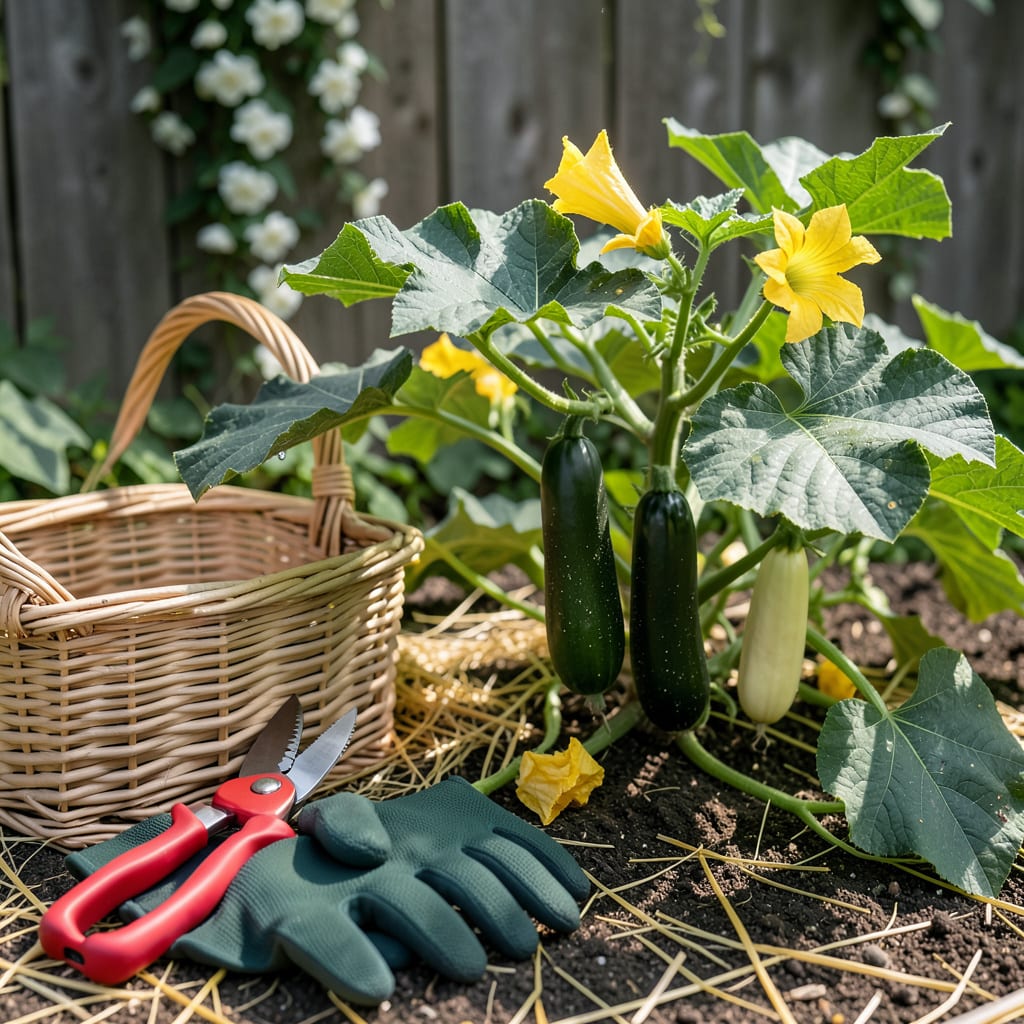
There’s nothing worse than cutting into what you thought was perfect summer squash, only to find it tough, seedy, or flavorless. That glossy skin and 6-8 inch length you’re looking for? They’re telling you something important.
I’ve seen too many gardeners miss the sweet spot—either picking too early when the squash is still developing or waiting too long when it’s already past its prime. Let me show you exactly how to read your plants’ signals so every 🥒 summer squash harvest is tender, delicious, and right on time.


When I first started growing summer squash, I’d stare at my plants wondering, “Is it ready yet?” The truth is, squash doesn’t just whisper when it’s ripe—it practically shouts. The key is knowing what to look for beyond just size. Let’s break down the five foolproof signs your squash is begging to be picked.
I’ve found that zucchini, yellow crookneck, and pattypan each have slightly different telltale signs. While they all follow similar rules, there are subtle differences in color and texture that can make all the difference between a perfect harvest and a disappointing one. Let’s start with what matters most: the visual cues.
| Variety | Ideal Size | Skin Texture | Color | Stem Condition |
|---|---|---|---|---|
| Zucchini | 6-8 inches | Glossy, firm | Deep green | Dry, woody |
| Yellow Crookneck | 4-6 inches | Smooth, shiny | Bright yellow | Firm, brown |
| Pattypan | 3-4 inches wide | Slightly bumpy | Pale green/white | Dry, brittle |
The first thing I check is size. Most summer squash varieties are at their peak when they’re 6-8 inches long, though I’ve noticed yellow crookneck tastes best slightly smaller. If you’re growing pattypan, focus on width rather than length—3-4 inches across is ideal. Anything larger risks developing tough seeds.
Next, run your fingers over the skin texture. Ready squash should feel smooth and firm with a slight glossiness. If it’s dull or you can easily dent it with your fingernail, it’s either not ready or overripe. I always give mine the “nail test”—if my fingernail leaves a mark, I wait another day.
Color intensity is another dead giveaway. Zucchini should be a rich, deep green, while yellow varieties need that sunshine-bright hue. Pattypan squash often stays lighter, but the color should be uniform. Any pale or streaky coloring means it needs more time on the vine.
Here’s a trick I learned from old-school gardeners: check the stem where it meets the fruit. When squash is ready, this junction becomes dry and slightly woody. If it’s still green and flexible, your squash isn’t quite there yet. This is especially helpful for first-time growers who might be unsure about other signs.
Finally, look at the flower end of the squash. If the blossom is still attached and fresh, the squash is likely too young. Once the flower has wilted and fallen off, leaving a slight scar, you’re in the harvest window. I’ve found this particularly useful for pattypan squash, which can be tricky to judge by size alone.
Remember, summer squash grows incredibly fast—what looks perfect today might be overgrown tomorrow. I make it a habit to check my plants every morning during peak season. When in doubt, harvest a little early rather than late; you can always let the next one grow bigger if needed.
The best time to pick is early morning when the plants are still hydrated from overnight moisture. I bring a sharp pair of pruners to make clean cuts that don’t damage the vine. Never twist or pull squash off—the stems are tougher than they look, and you might accidentally harm the plant.
If you follow these signs, you’ll consistently harvest squash at its peak tenderness and flavor. And here’s a bonus tip: the more you pick, the more your plants will produce. I’ve had zucchini plants keep producing until frost by staying on top of harvesting! 🪴
Timing your summer squash harvest isn’t just about getting the best flavor—it directly impacts your plant’s productivity. I’ve seen gardeners make both mistakes: picking too soon and waiting too long. Either way, you’re missing out on that perfect tender, sweet flesh we all grow squash for.
Let me walk you through what actually happens when you harvest at the wrong time. The differences between underripe and overripe squash go far beyond just texture—they affect your entire growing season. Understanding these consequences will help you make smarter harvesting decisions every time you step into your garden.
Can be salvaged by quick cooking or pickling
Best used for compost or seed saving
When you pick summer squash too early, the most obvious issue is the underdeveloped flavor. Those sugars and complex flavors need time to develop. I’ve tasted premature zucchini that was nearly flavorless—like eating a watery cucumber. The texture suffers too, often becoming mushy when cooked instead of holding its shape.
Your plants also pay a price for early harvesting. Each time you pick an immature squash, the plant has to redirect energy to produce another fruit. This can actually delay your overall harvest by a week or more. I noticed this in my own garden when I got overzealous with my first yellow crookneck—the next fruits took forever to develop.
On the flip side, overripe summer squash becomes a completely different problem. The flesh turns stringy and fibrous, especially around the seeds. Those seeds grow so large they make the squash bitter. I once left a pattypan squash on the vine too long, and it became so tough I could barely cut it with my best kitchen knife.
Perhaps the worst consequence of late harvesting is what it does to your plant’s productivity. Mature squash left on the vine sends signals to the plant that its job is done. This can shut down further production entirely. I’ve had zucchini plants stop producing new flowers after just one overgrown fruit was left too long. The plant essentially thinks: “Mission accomplished!”
Here’s my golden rule: when in doubt, harvest a day early rather than a day late. You can always let the next squash grow a bit larger if needed. But once squash passes its prime, there’s no going back. I keep a garden journal to track which varieties grow fastest in my climate—this helps me anticipate the perfect harvest window each season. 🌱
Getting that first summer squash harvest is exciting, but the real magic happens when you learn how to keep your plants producing all season long. I’ve discovered that how you harvest makes all the difference between a short burst of squash and a continuous bounty until frost.
It’s not just about when to pick, but how you pick and what you do afterward. The right techniques can actually stimulate more production, while poor habits can shut down your plants prematurely. Let me share the professional tricks I use to get 3-4 times more squash from the same plants. 🌱
The single biggest mistake I see gardeners make is inconsistent harvesting. Summer squash grows so fast that missing just 3-4 days can turn a perfect zucchini into a baseball bat. I make it a habit to do a daily squash check during July and August, bringing my pruners with me to the garden each morning.
Your cutting technique matters more than you think. Always cut the stem about 1 inch above the fruit—never flush with the squash. This prevents moisture from entering the fruit while protecting the vine. I use bypass pruners (not anvil style) for the cleanest cuts that heal fastest. Avoid twisting or pulling, which can damage the plant’s vascular system.
Here’s my secret for extended production: when plants start looking tired in late summer, I give them a “spa treatment”. This means a deep watering with compost tea, fresh mulch, and removing any diseased leaves. I’ve had zucchini plants bounce back to produce another month’s worth of fruit using this method. The key is catching stress signs early before production shuts down completely.
Don’t forget about post-harvest handling. Squash lasts longest when stored at 50-55°F with good airflow. I use mesh bags in my fridge’s crisper drawer, where they’ll keep for 7-10 days. For immediate use, I’ve found that squash harvested in the morning and used that same day has the best texture and flavor. ✂️
Check your plants every 24-48 hours in July and August. Summer squash grows astonishingly fast—what’s perfect today might be overgrown by tomorrow. I set morning reminders to inspect mine with pruners in hand.
While you technically can, squash under 4 inches lacks developed flavor and texture. The ideal window is 6-8 inches for most varieties. Baby squash is best left to mature unless you’re specifically growing for miniature varieties.
Early morning is ideal—plants are fully hydrated from overnight moisture. Squash harvested then stays firmer longer. Avoid midday heat when plants (and you!) are stressed.
Overripe squash develops tough, woody skin and large, bitter seeds. The color may appear dull, and the fruit feels heavy for its size. When the stem turns completely brown and brittle, it’s past prime.
Quite the opposite! Regular harvesting stimulates more production. Just use clean, sharp pruners and cut 1 inch above the fruit to avoid stem damage. More picking = more squash!
