
Beautiful Plants For Your Interior
Beautiful Plants For Your Interior
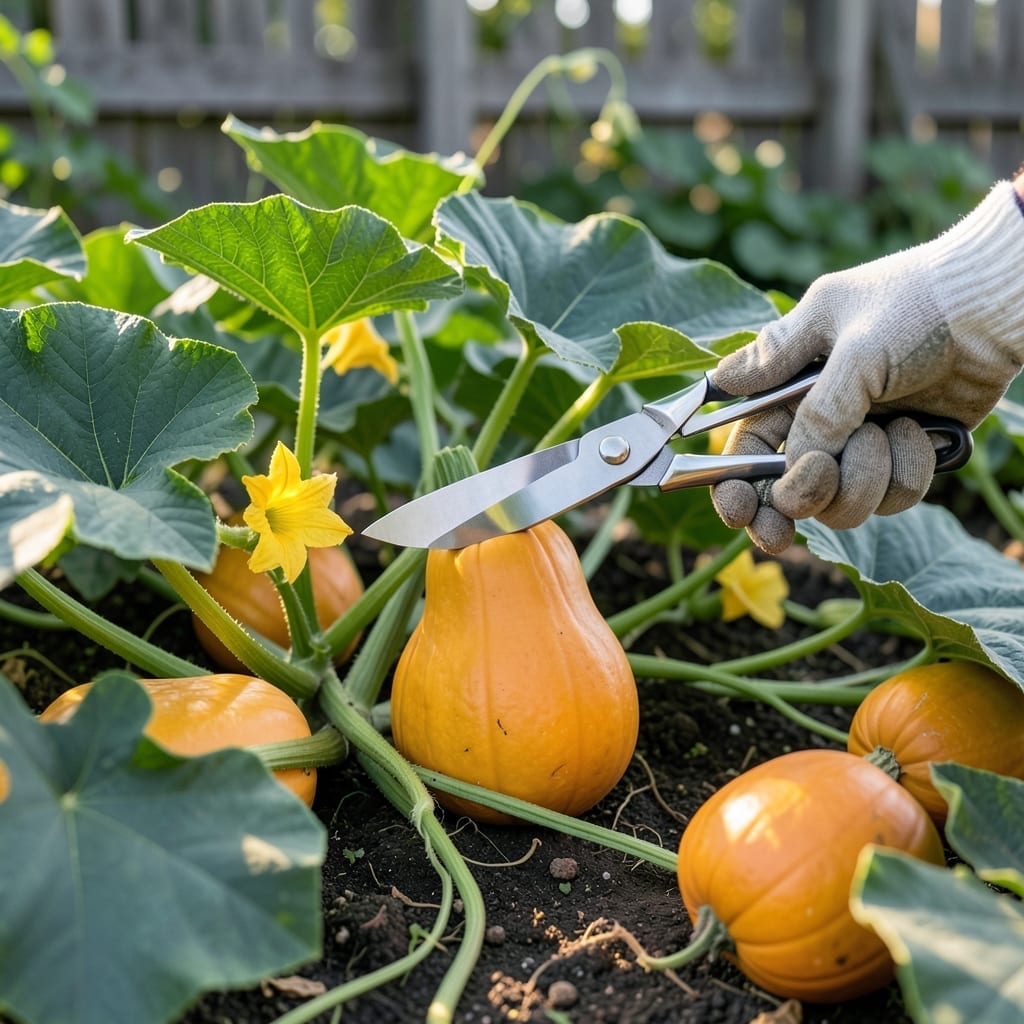
Knowing exactly when to harvest your 🎃 Squash can mean the difference between a perfect, flavorful crop and a disappointment.
The signs are subtle but unmistakable once you learn what to look for. I’ve spent seasons watching my plants, and I can tell you timing is everything.
From color changes to stem texture, there are 3 key indicators that will tell you your Squash is ready. These clues are right in front of you in the garden.
Let me walk you through the simple but most important details that will help you pick at peak ripeness every time.
I love watching summer squash grow because it’s one of the fastest vegetables to mature in the garden. Varieties like zucchini and yellow squash can go from flower to harvest-ready in just a few days.
Timing is everything with these tender-skinned varieties. Harvest too early and they’ll be underdeveloped; wait too long and they turn tough and seedy. I’ve learned to check my plants daily once they start producing.
| Variety | Size at Maturity | Skin Texture | Stem Clue |
|---|---|---|---|
| Zucchini | 6-8 inches long | Shiny and tender | Still soft |
| Yellow Squash | 4-6 inches long | Smooth and bright | Begins to harden |
| Pattypan | 2-3 inches diameter | Firm all over | Still green |
The color is your first visual cue. With zucchini, I look for a deep, consistent green. For yellow squash, the ideal shade is a bright, even yellow without any green patches.
Size matters more than you might think. Most summer squash varieties are best harvested when they’re small to medium. I use a ruler at first until I get a feel for the right size.
The skin texture should be smooth and slightly shiny. If it looks dull or you can easily punctured it with your fingernail, it’s either not ready or overripe. I test this gently with my thumbnail.
Don’t overlook the stem. While it doesn’t need to be completely dry like winter squash, a summer squash stem should start to feel a bit firmer as the fruit matures.
I make it a habit to check my plants every morning during peak production. These varieties can grow an inch or more in a single day, so daily inspection prevents missing the perfect window.
One common mistake I see gardeners make is waiting for summer squash to get large. Unlike winter varieties, these are meant to be harvested young. The smaller ones are actually the most tender and flavorful.
If you notice the skin becoming dull or the fruit feeling hard when pressed, you’ve likely waited too long. At that point, I compost them rather than trying to save the harvest.
Winter squash like butternut or acorn need more time than summer varieties. The rind hardness is your first clue – it should resist a fingernail press. I check this daily as harvest season approaches.
The color deepening is another clear sign. A mature butternut turns a rich tan, while acorn squash develops a dark green hue. These changes happen gradually over weeks of growth.
The thump test is my favorite method. Tap the squash – a hollow sound means it’s ready. This works especially well for pumpkins and butternut squash in my experience.
Don’t overlook the vine dieback. When the vines start turning brown and drying out, your squash is likely mature. This is nature’s way of telling you the plant has finished its work.
Stem condition matters too. A dry brown stem indicates full maturity, while a green stem means it needs more time. I always check this before harvesting.
Remember, winter squash continues to ripen after picking if stored properly. But for best flavor and storage life, harvest when all these signs align perfectly. 🌱