
Beautiful Plants For Your Interior
Beautiful Plants For Your Interior
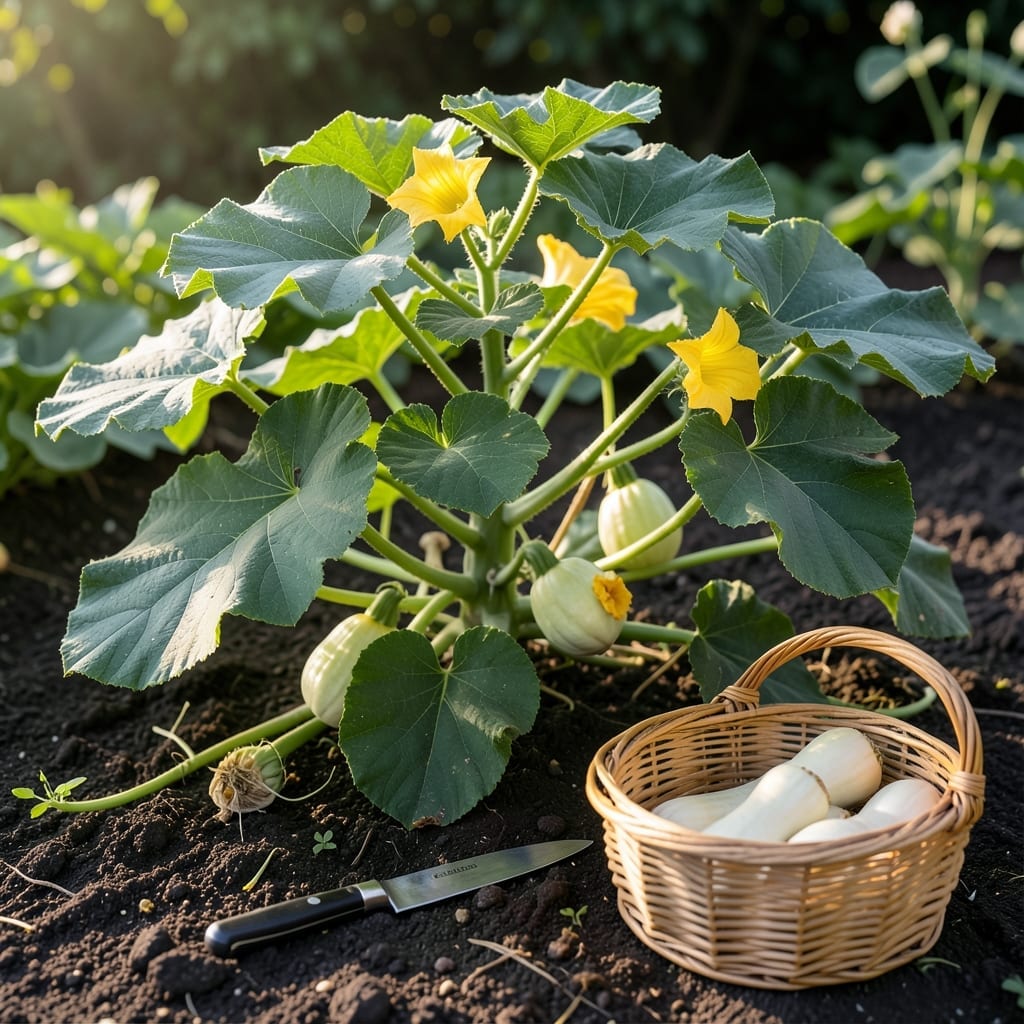
Knowing exactly when 🎃 Squash is ready to pick can mean the difference between a bountiful harvest and missed opportunities. Timing is everything with these fast-growing garden favorites.
Nothing beats the satisfaction of plucking that first perfectly ripe squash from your vine. But how do you know it’s truly ready? The signs might surprise you.
I’ve learned through trial and error that visual cues tell us more than calendar dates ever could. The plant itself gives us all the information we need.
Discover the most important indicators that your Squash has reached its peak. These simple checks will ensure you harvest at just the right moment every time.
I love watching squash plants grow because they reward patience with clear harvest signals. The first thing I check is the rind hardness—a fingernail shouldn’t puncture it.
Another sure sign is the stem condition. When it turns brown and woody, your squash is likely ready. Color is also key—look for deep, consistent shades across the fruit.
| Variety | Rind Hardness | Stem Condition | Color Indicator |
|---|---|---|---|
| Zucchini | Firm but tender | Green, moist | Deep green |
| Butternut | Very hard | Dry, tan | Tan, even |
| Acorn | Hard | Dry, brown | Dark green |
| Pumpkin | Very hard | Dry, woody | Deep orange |
For summer squash like zucchini, I harvest when they’re 6-8 inches long. Waiting too long makes them seedy and tough. Butternut squash needs 80-100 days to mature fully.
With winter squash, I wait until the vines die back naturally. This usually means the squash is fully ripe and ready for storage. The rind color deepens as it matures.
I always use a sharp knife to cut squash from the vine, leaving 2-3 inches of stem. This prevents damage and helps with longer storage. Never carry squash by the stem.
For pumpkins, I check the bottom color. When it turns orange or cream, it’s ready. A hollow sound when tapped also indicates ripeness. 🌱
I’ve found that morning harvesting works best. The plants are fresh and hydrated, making it easier to spot ripe squash. Plus, it’s cooler for me to work in the garden.
Remember, size matters. Each variety has its ideal harvest size. Check seed packets for specifics, but generally, bigger isn’t always better with squash.
Finally, I always do a fingernail test on winter varieties. If I can’t puncture the rind easily, it’s ready. This simple test works for butternut, acorn, and pumpkins. 🌿
Picking squash at the wrong time can ruin your harvest. If you harvest too early, the flesh may be underdeveloped and lack flavor. The rind might also be too soft for storage. 🌱
On the other hand, leaving squash on the vine too long can lead to oversized, fibrous fruit with tough seeds. For winter varieties, overripeness reduces storage life significantly. 🌿
For summer squash like zucchini, picking too late results in giant fruits with watery, bland flesh. These varieties are best harvested young and tender for optimal taste. ✂️
Winter squash varieties need full maturity for proper storage. If picked early, they won’t cure properly and may rot quickly. The rind hardness test is crucial for these types. 🌿
Remember that vining plants often produce more when harvested regularly. Leaving overripe fruit on the plant can signal it to stop producing new squash. 🌱
I always recommend checking your squash plants daily during peak season. The difference between perfect and overripe can be just 24-48 hours for some varieties. Timing truly is everything. 🌻