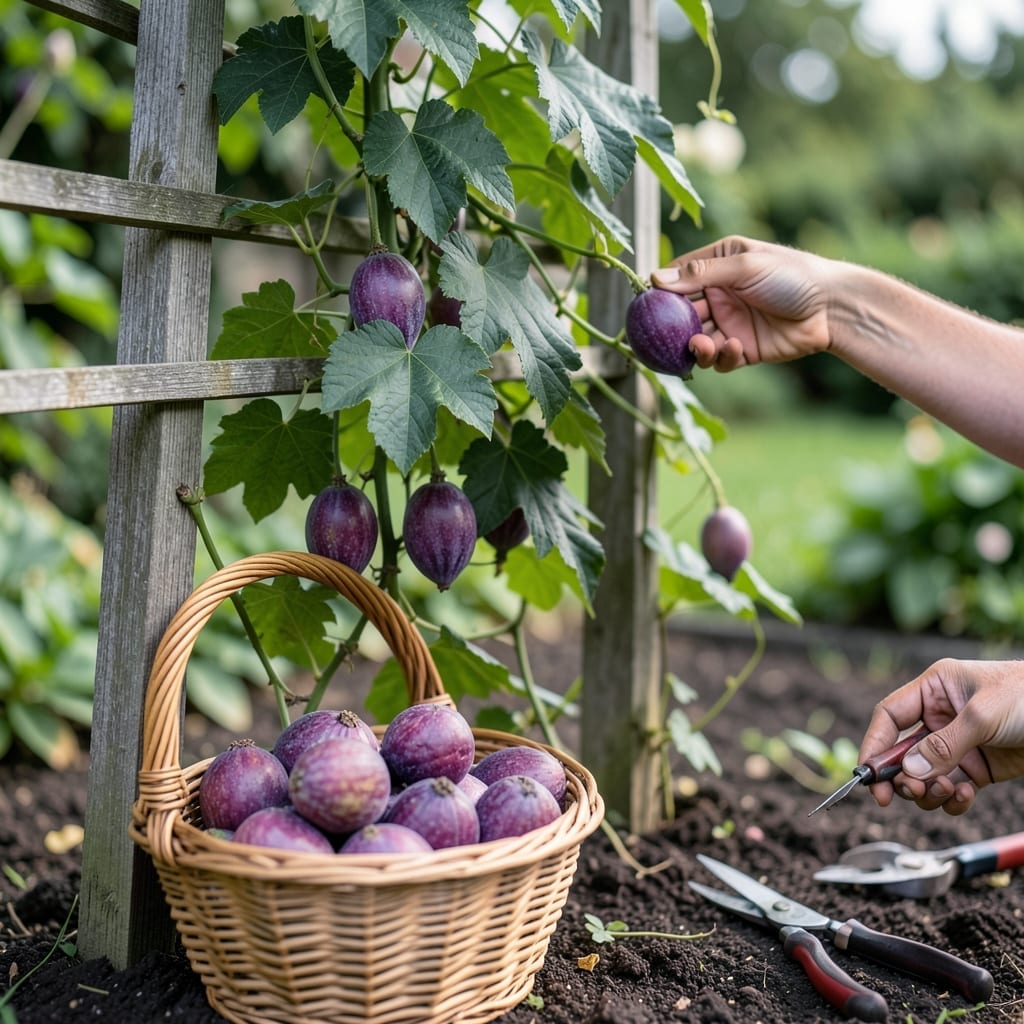
When Is Passion Fruit Ready to Eat: Simple Ripeness Tests That Work

When Is Passion Fruit Ready to Eat: Simple Ripeness Tests That Work

Knowing exactly when Passion Fruit 🍈 is ready to eat can be tricky, as its wrinkled skin often leaves gardeners guessing. Unlike other fruits, it doesn’t always change color dramatically when ripe.

This makes it essential to use the right tests rather than just relying on appearance. Whether you’re a seasoned gardener or just starting out, getting this right means the difference between tart disappointment and sweet success.

I’ve learned through trial and error that timing is everything with this tropical vine. The good news? There are simple ways to tell when your fruit has reached its peak.

Let me walk you through the most reliable methods to determine ripeness, so you can enjoy your Passion Fruit at its absolute best.

Style 16: Quick Tips – General
🌅
Morning
Pick early for best flavor & crunch
✂️
Clean Cut
Use scissors, don’t pull or twist
🔄
Check Daily
Ripeness can change overnight!

How to Tell When Passion Fruit Is Ripe Using Simple Visual Tests

I’ve found that the easiest way to spot a ripe passion fruit is by looking at its skin texture. A ripe fruit develops fine wrinkles, which signal that the sugars inside are concentrating.

Don’t be fooled by color alone. While many varieties turn deep purple or golden yellow when ripe, some stay green. The real giveaway is the slight shrinking of the skin as moisture evaporates.

Visual Cue What It Means
Wrinkled skin High sugar content, ready to eat
Deep purple or yellow Typical ripe color for most varieties
Slightly shriveled Moisture loss, peak ripeness
Smooth and green Underripe, needs more time

If the passion fruit feels heavy for its size, that’s another good sign. The weight indicates juice development inside, which happens as the fruit matures on the vine.

I always check the stem end too. A ripe fruit will often have a slightly dried stem, which is a natural part of the ripening process. This is especially true for vine-ripened fruits.

For yellow varieties like Golden Passionfruit, the color change is more obvious. They’ll turn from pale green to a vibrant golden hue when ready to pick.

If you’re growing Purple Passionfruit, look for a deep, rich purple with those telltale wrinkles. The color darkens as the sugar content increases.

Remember that overripe passion fruits will have deep wrinkles and may feel too soft. While they’re still edible, they’re best used quickly before they start to ferment.

I’ve noticed that fruits ripened on the vine tend to have the best flavor. If you’re picking them early, they’ll continue to ripen indoors at room temperature. ✂️

One trick I swear by is the shake test. Gently shake the fruit—if you hear the seeds rattling inside, it’s a sign the pulp has thickened and the fruit is ripe.

Finally, trust your nose. A ripe passion fruit will have a sweet, tropical aroma that’s hard to miss. If there’s no smell, it’s likely not ready yet. 🌱

Passion Fruit Ripeness Tests Beyond Appearance

While visual cues help, I rely on other rippeness tests for passion fruit. The scent test is my favorite—a ripe fruit emits a sweet, tropical aroma that’s hard to miss. If it smells bland, it’s not ready yet.

Another trick I use is the weight test. A ripe passion fruit feels heavy for its size, indicating juicy pulp inside. Compare it to an unripe one, and you’ll notice the difference immediately.

3 Ways to Test Ripeness Without Sight

  1. Shake Test: Seeds rattle when ripe.
  2. Squeeze Test: Gently yields to pressure.
  3. Fall Test: Fruit drops from vine naturally.

I always check the sound of seeds by gently shaking the fruit. If you hear the seeds moving inside, it’s a good sign the pulp is soft and ready.

The squeeze test is simple but effective. Apply light pressure with your fingers—if the skin gives slightly, it’s ripe. Avoid squeezing too hard to prevent bruising.

If your passion fruit isn’t ripening, don’t panic. I’ve found that placing it in a paper bag with a banana speeds up the process. The ethylene gas from the banana helps it ripen faster.

Remember, patience is key. Passion fruit ripens best off the vine in many cases, so don’t rush the process. Let nature do its work for the sweetest results. 🌿

★★★★★4.6(4 reviews)