
Beautiful Plants For Your Interior
Beautiful Plants For Your Interior
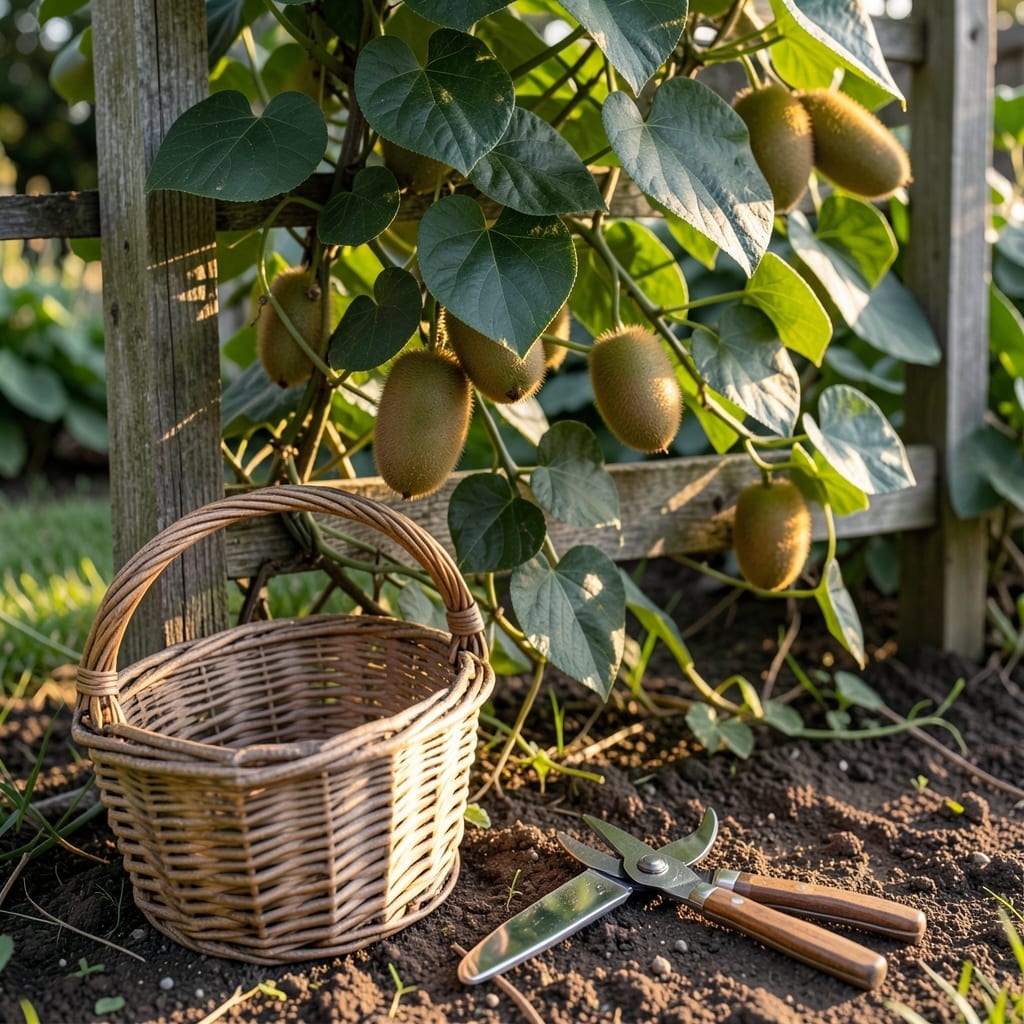
Nothing beats the sweet-tart flavor of a perfectly ripe 🥝 kiwi, but knowing when to pick or buy one can be tricky. Unlike other fruits, kiwis don’t always reveal their ripeness on the outside.
I’ve learned the hard way that judging by color alone leads to disappointment. The real test combines touch, smell, and a few simple tricks that work every time.
Discover how to spot the perfect moment whether you’re harvesting from your vine or selecting from the grocery store. These methods will save you from cutting into an unripe fruit again.


Determining kiwi ripeness isn’t always obvious, especially since the fuzzy brown skin hides what’s inside. I’ve found that relying on just one method often leads to guesswork, so I use a combination of tests for accuracy.
Whether you’re growing kiwi vines in your garden or picking fruit at the store, these proven techniques will help you identify the perfect eating stage without cutting into the fruit prematurely.
Gently squeeze the kiwi. A ripe kiwi yields slightly like a ripe avocado, while unripe fruit feels hard as a rock.
Hold the kiwi to your nose. A sweet, fragrant aroma at the stem end signals ripeness. No smell means it’s not ready yet.
If you’re still unsure, cut a small slice. Ripe kiwi is sweet with a slight tang. If it’s sour, it needs more time to ripen.
Green kiwis develop a brown skin when ripe. Gold kiwis may have smoother skin and a sweeter scent earlier.
For homegrown kiwis, remember they’re typically picked unripe and ripen off the vine. This is normal and actually helps prevent damage from birds or weather. Just store them at room temperature to continue ripening.
If you’re working with store-bought kiwis, check the firmness first. Even if the skin looks ripe, the inside might still be hard. I always give them an extra 1-2 days on the counter if they’re not quite ready.
Another trick I swear by is placing kiwis in a paper bag with a banana or apple. The ethylene gas from these fruits speeds up ripening naturally in about 24-48 hours. 🌱
Don’t be fooled by skin color alone. Some green kiwis stay partially green even when ripe, while gold varieties may not change much visually. Always combine multiple tests for the best results.
If your kiwi is overripe, don’t toss it! The flesh might be too soft for slicing but perfect for smoothie bowls or fruit salads. Just cut away any bruised spots.
With these simple tests, you’ll never have to wonder about kiwi ripeness again. Try them out and taste the difference for yourself! 🌿
Understanding the kiwi ripening process helps you plan from harvest to enjoyment. I’ve watched my garden kiwis transform from hard green orbs to sweet, fragrant treats over time.
Unlike some fruits, kiwis are often picked unripe and left to ripen off the vine. This protects them from birds and weather damage while allowing controlled ripening indoors.
| Stage | Timeframe | Signs |
|---|---|---|
| Harvest Ready | September-November | Firm with brown fuzzy skin |
| Early Ripening | 1-3 days at room temp | Slightly softer, faint aroma |
| Peak Ripeness | 3-7 days at room temp | Yields to pressure, strong sweet smell |
| Overripe | 7+ days at room temp | Very soft, strong fermented odor |
To speed up ripening, place kiwis in a paper bag with an apple or banana. The ethylene gas they release accelerates the process to about 24-48 hours.
If you need to slow down ripening, move kiwis to the refrigerator. This pauses the process and keeps them fresh for up to 2 weeks once ripe.
Watch for spoilage signs like mold, excessive softness, or a sour smell. At this point, it’s best to compost the fruit to avoid affecting others.
For home gardeners, remember that kiwi vines produce fruit that typically needs this post-harvest ripening period. I’ve found that patience pays off with the sweetest results. 🌿