
Beautiful Plants For Your Interior
Beautiful Plants For Your Interior
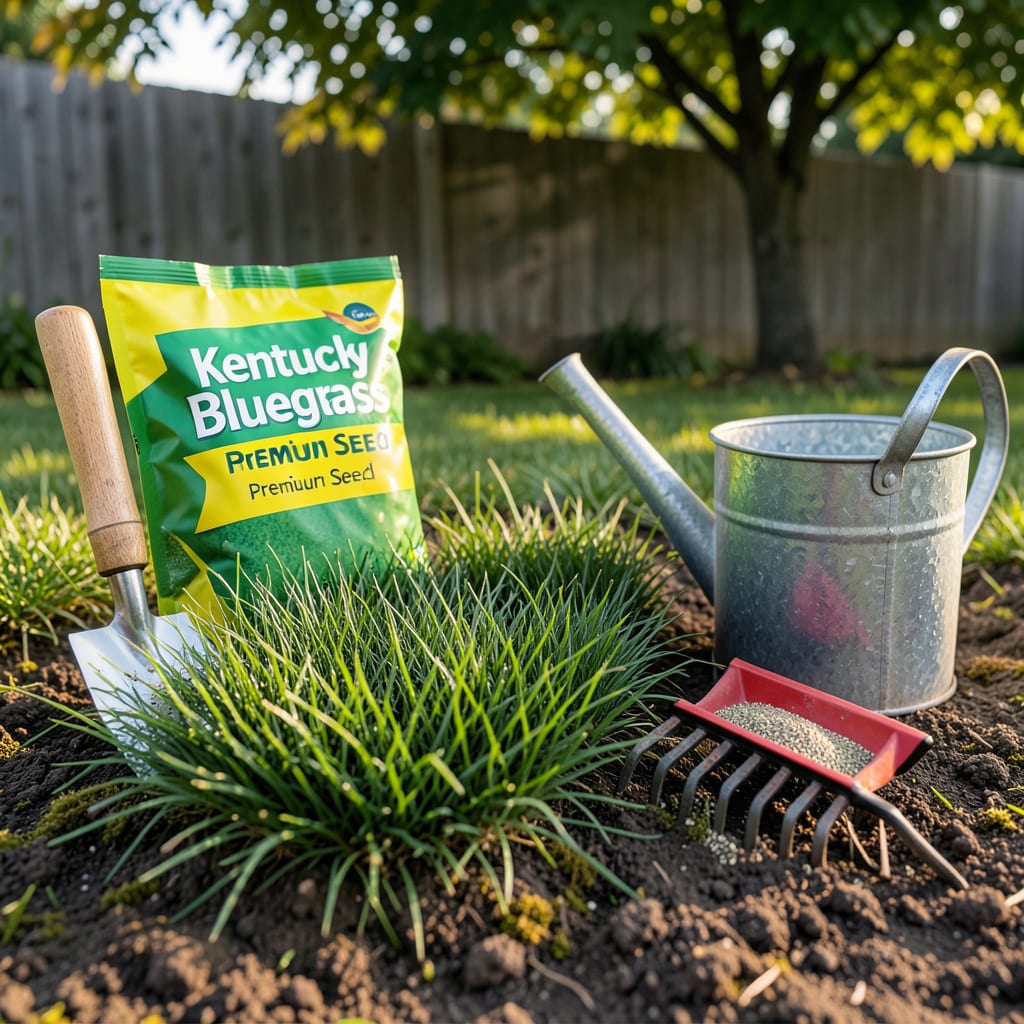
Timing your ✂️grass planting in Massachusetts can mean the difference between a lush lawn and a patchy disappointment. Plant too late, and you’re rolling the dice with frost and weak roots—get it right, and you’ll set up your yard for success next spring.
I’ve seen too many homeowners rush the process in October only to regret it when winter hits. Let’s break down the exact deadlines for your zone—so you can plant with confidence, not guesswork. Here’s what you need to know before grabbing that seed bag.
If you’re wondering when it’s too late to plant grass in Massachusetts, the answer depends on your location and the type of grass you’re sowing. Massachusetts spans USDA Zones 5b-7a, meaning frost dates vary significantly from the Berkshires to Cape Cod. Cool-season grasses like Kentucky Bluegrass and Tall Fescue thrive when planted in early fall, but timing is everything.
The ideal window for planting grass seed in Massachusetts is late August through mid-October. This gives roots enough time to establish before the first frost. Soil temperatures between 50-65°F are perfect for germination, while daytime temps in the 60s-70s°F help seedlings grow strong before winter.
In Western Massachusetts (Zone 5a/5b), the first frost typically arrives by mid-October. This means you should aim to plant grass seed by September 15 to allow 6-8 weeks of growth before freezing temps. Coastal areas (Zone 6b/7a) have a slightly longer window, with frost often holding off until late October or early November.
If you miss the fall window, spring planting is possible but riskier. Soil temps in spring often fluctuate, and young grass must compete with weeds and heat stress by summer. I recommend spring planting only if you can water consistently and use a pre-emergent herbicide to control weeds.
For late-season planting (after October 15), consider dormant seeding. This involves sowing seed in November or December when the ground isn’t frozen. The seeds will germinate in early spring, giving you a head start. However, this method works best with hardy varieties like Tall Fescue or Kentucky Bluegrass.
If you’re planting in July or early August, be prepared for extra work. Hot, dry conditions mean you’ll need to water 2-3 times daily to keep soil moist. I suggest using a starter fertilizer high in phosphorus to encourage root growth and mulching with straw to retain moisture.
Always check your local frost dates—they can vary by a week or two even within the same zone. For example, Boston’s first frost is often October 20-30, while Worcester might see frost by October 10-15. Use these dates to count backward and determine your personal planting deadline.
If you’re unsure about soil temps, grab a soil thermometer—they’re inexpensive and take the guesswork out of planting. Aim for consistent 50°F+ temps at a 2-inch depth. Below 45°F, germination slows dramatically, and seed may not sprout until spring.
Finally, remember that soil preparation is just as important as timing. Loosen the top 2-3 inches of soil, remove debris, and add compost if your soil is poor. A well-prepared seedbed gives your grass the best chance, even if you’re planting a little later than ideal. 🌱
Planting grass seed too late in Massachusetts can lead to a host of problems that might haunt your lawn for months—or even years. When you sow seed after the optimal fall window (late August to mid-October), the biggest risk is poor root establishment. Young grass needs 6-8 weeks of growth before freezing temps hit, and late planting often means roots won’t develop enough to survive winter.
One of the first signs of trouble is uneven germination. Late-planted seeds often sprout sporadically because soil temperatures drop below the 50°F threshold needed for consistent growth. You might see patchy areas where some seeds germinate while others remain dormant until spring—if they survive at all. This creates a weak, thin lawn that struggles to compete with winter weeds like chickweed or henbit.
Another major issue is increased disease pressure. Late-fall planting coincides with Massachusetts’ wetter season, creating perfect conditions for fungal diseases. I’ve seen entire lawns wiped out by snow mold when grass wasn’t mature enough to resist it. The combination of cool, damp nights and weak seedlings is a recipe for disaster without preventative fungicide treatments.
If you’ve already planted late, don’t panic—there are ways to improve survival rates. First, apply a winterizer fertilizer (high in potassium) to strengthen cell walls. Then, add a light mulch layer (about ¼ inch of straw) to insulate soil and retain moisture. Water lightly in the morning if rainfall is scarce, but avoid evening watering which promotes fungal growth. These steps won’t guarantee success, but they significantly improve odds.
The absolute point of no return for planting grass in Massachusetts is when soil temperatures drop below 45°F or when you’re within 2 weeks of your first hard frost. At this point, seeds will either rot in the cold, damp soil or remain dormant until spring—if they aren’t eaten by birds or washed away first. In Western MA (Zone 5), this usually means stop planting by October 15, while coastal areas (Zone 6/7) might push to October 30 in mild years.
If you’re facing a late-season planting scenario, consider dormant seeding as your backup plan. This involves spreading seed in November or December when soil is still workable but too cold for germination. The seeds will stratify naturally over winter and sprout in early spring. While not ideal, dormant seeding often yields better results than late-fall planting because seeds avoid the stress of trying to establish before winter. Just be sure to increase your seeding rate by 25% to account for potential losses to birds or erosion. 🌱
If you’ve missed the optimal fall planting window in Massachusetts, don’t despair. There are still ways to establish a healthy lawn, even if you’re working against the clock. The key is choosing the right approach for your situation and being prepared for some extra effort.
One of the most effective alternatives is dormant seeding. This technique involves planting grass seed in late November or December when soil temperatures are too cold for germination. The seeds remain dormant through winter and sprout in early spring when conditions improve. It’s particularly effective for Tall Fescue and Kentucky Bluegrass varieties.
Spread seed after soil temps drop below 50°F but before ground freezes. Use 25% more seed than normal to account for losses. Best for hardy cool-season grasses like Tall Fescue.
Instant lawn solution that works even in late fall. Roots establish quickly with proper watering. Costs $0.50-$0.80/sq ft but guarantees immediate coverage. Best for small areas or high-traffic zones.
Skip late planting and prepare soil now for early spring. Test pH, add compost, and till. Mark problem areas for early April seeding when soil reaches 50°F. Prevents winter planting risks.
For those who need immediate results, sod installation is your best bet. While more expensive than seeding, sod can be laid anytime the ground isn’t frozen. I’ve successfully installed sod in Massachusetts as late as early December in coastal areas. The key is keeping it watered until roots establish—about 2-3 weeks of daily watering in mild fall weather.
If you’re working with a tight budget, focus on soil preparation for spring planting. Test your soil pH (aim for 6.0-7.0) and add amendments like compost or lime as needed. Mark any bare or thin spots in your lawn now so you’re ready to seed as soon as soil temperatures warm in spring. This approach eliminates winter risks entirely while setting you up for success.
Remember that late-season alternatives often require extra care. With dormant seeding, you’ll need to monitor for erosion and may need to reapply seed in spring. For sod, be prepared for more frequent watering during establishment. And if prepping for spring, consider applying a winter fertilizer (high in potassium) to existing grass to strengthen it against cold stress.
No matter which alternative you choose, proper site preparation remains crucial. Remove debris, loosen compacted soil, and ensure good seed-to-soil contact. In Massachusetts’ variable climate, giving your grass the best possible start—whenever you plant—makes all the difference in long-term success. 🌱
For Zone 5 areas like Worcester or the Berkshires, stop planting by October 10. This gives roots 6 weeks to establish before the first hard frost, typically around October 15.
Try dormant seeding instead. Spread seed in late November when soil is workable but too cold for germination. Seeds will sprout in early spring. Use 25% more seed than usual to account for losses.
Check for 2-inch root growth before the first frost. If grass blades reach 3-4 inches and roots are established, it has a good chance. Apply winterizer fertilizer (high potassium) to boost survival rates.
Spring planting is riskier due to weed competition and summer heat stress. If you choose this route, plant by early May, use pre-emergent herbicide, and water daily for the first month.
Install sod for instant results—it can be laid until the ground freezes. Costs $0.50-$0.80/sq ft but establishes quickly with proper watering. Best for small areas needing immediate coverage.
