
Beautiful Plants For Your Interior
Beautiful Plants For Your Interior
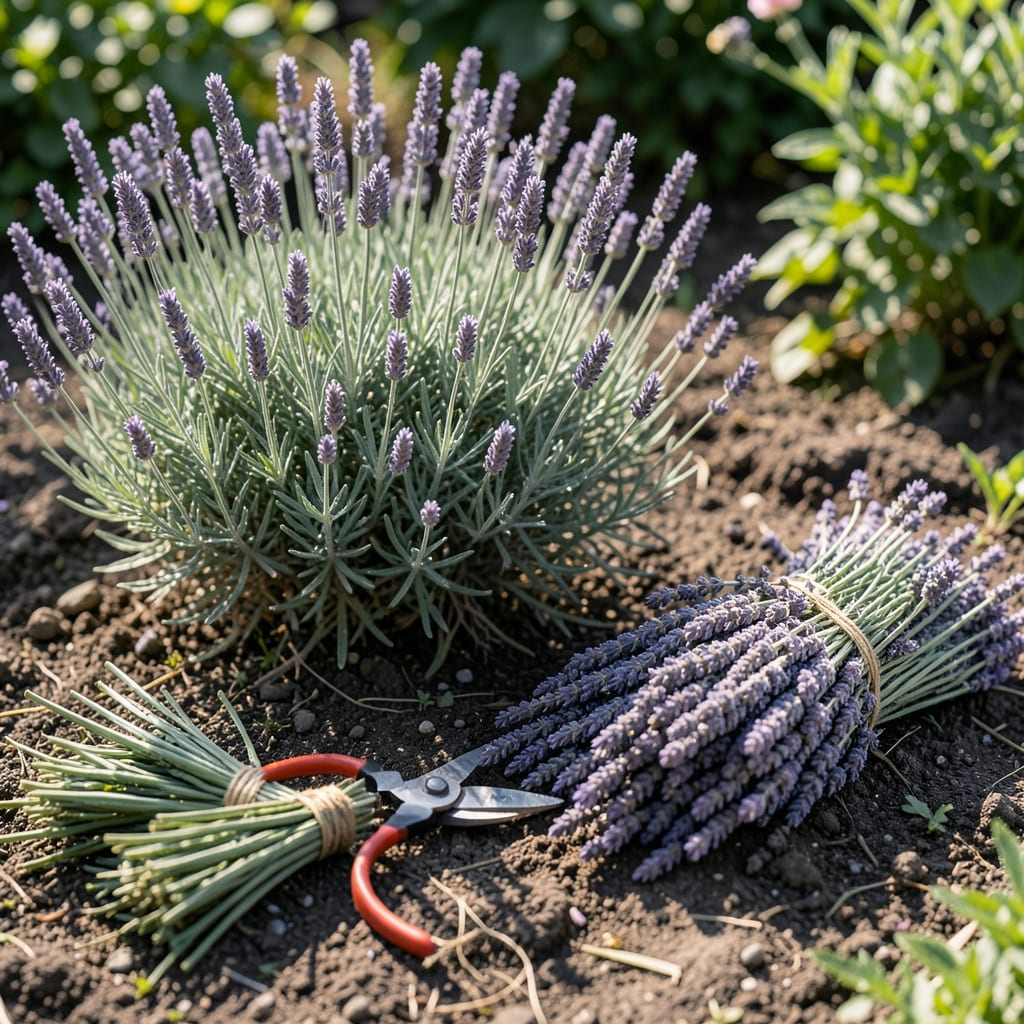
Harvesting 🌿 Lavender at the wrong time can cost you its fragrant oils and vibrant color. It’s a delicate balance between too early and too late.
I’ll show you the exact window to cut your lavender for the best quality. Discover the signs it’s past prime and how to avoid this common mistake.


Timing your lavender harvest perfectly preserves its fragrant oils and vibrant color. Cut too late, and you risk losing both. I’ve seen many gardeners miss the window by just a few days.
The optimal harvest time is when 50% of buds have opened. After this, the essential oils start to degrade, and the stems may weaken. 🌿
| Sign | Description |
|---|---|
| Bud Stage | Over 70% open |
| Color Change | Faded flowers or browning |
| Fragrance Loss | Weak scent when crushed |
| Seed Formation | Visible seeds in flower heads |
| Stem Condition | Woody or brittle stems |
When lavender flowers fully open, the oil concentration drops significantly. This is the first clear sign you’ve waited too long. The best quality comes from half-open buds.
Another red flag is color fading. Vibrant purple or blue hues turn dull as the blooms age. If your lavender looks washed out, it’s past peak.
Check the fragrance test by rubbing a flower between your fingers. If the scent is weak, the oils have degraded. This is a sure sign it’s too late.
Seed formation is the final indicator. Once seeds develop in the flower heads, the plant has shifted from blooming to reproduction. The stems also harden at this stage.
In hotter climates, lavender may mature faster. Watch for these signs weekly during peak season. In cooler zones, you might have a longer window to harvest.
If you notice brittle stems, the plant is likely stressed. This often happens when harvesting too late in dry conditions. Always aim for early morning cuts for best results.
Remember, late harvests affect more than just fragrance. The plant’s energy diverts to seed production, which can weaken next year’s growth. Stay vigilant to avoid this.
With practice, you’ll recognize these lavender harvest signs instantly. Your reward? Perfectly timed bundles every season. ✂️
Knowing your USDA hardiness zone helps determine the lavender harvest cutoff. In warmer zones, the window closes earlier than in cooler areas. I always check local bloom patterns.
The general rule is to stop harvesting by late summer. For most regions, this means August or early September. After this, the plant prepares for dormancy. 🌿
In Zone 5-6, early frosts can damage late lavender. I recommend marking mid-August as your absolute deadline. This gives plants time to harden off before winter.
For Zone 7-8, the harvest window extends to early September. However, watch for heat waves, which can accelerate blooming. I’ve seen lavender mature 1-2 weeks faster in extreme heat.
Zone 9-10 gardeners have the most flexibility. With mild winters, you can often harvest into late September. Still, avoid cutting after October 1st to protect next year’s growth.
Early blooming varieties like ‘Munstead’ typically finish first. Late bloomers, such as ‘Grosso’, may give you an extra 2-3 weeks. Always observe your specific plants for cues.
Remember, these are general guidelines. Local microclimates can shift your timeline. When in doubt, harvest early for the best quality. ✂️
Harvesting lavender too late can significantly reduce its fragrant oils and vibrant color. I’ve learned that timing is everything with this plant. Once the optimal window passes, the quality declines rapidly.
The most noticeable effect is reduced fragrance. Lavender’s essential oils peak when about 50% of buds are open. After this, the scent weakens as oils degrade. 🌿
Weak fragrance due to degraded oils
Dull color as flowers age
Seed formation diverts plant energy
Brittle stems that break easily
Reduced drying quality for bundles
When lavender is harvested late, the flowers often fade to dull purples or browns. This affects both visual appeal and drying results. I’ve found that late-cut lavender often loses its color during drying.
Another issue is seed development. Once seeds form, the plant focuses energy on reproduction rather than oil production. This means less fragrant material for your harvest. The stems also become woody and more prone to breaking.
Late harvesting can weaken the plant for next year. The energy spent on seed production reduces what’s available for new growth. I always aim to cut before this happens to maintain healthy plants.
If you do harvest late, all isn’t lost. You can still use the lavender for potpourri or decorative purposes, though the scent won’t be as strong. For best results, harvest early in the season next time. ✂️
Look for fully open flowers with fading color or visible seeds. When over 70% of buds are open, the essential oils begin to degrade, signaling it’s too late for optimal harvest.
Yes! In cooler zones like 5-6, stop by mid-August. Warmer areas like Zones 9-10 can harvest through late September. Always check local bloom patterns.
The plant shifts energy to reproduction, reducing fragrance and drying quality. Stems may also become brittle. Salvage late harvests for decorative use, but expect weaker scent.
Not significantly. Once lavender reaches full bloom, quality declines rapidly. Focus on harvesting at the 50% open bud stage for the best results every time.
