
Beautiful Plants For Your Interior
Beautiful Plants For Your Interior
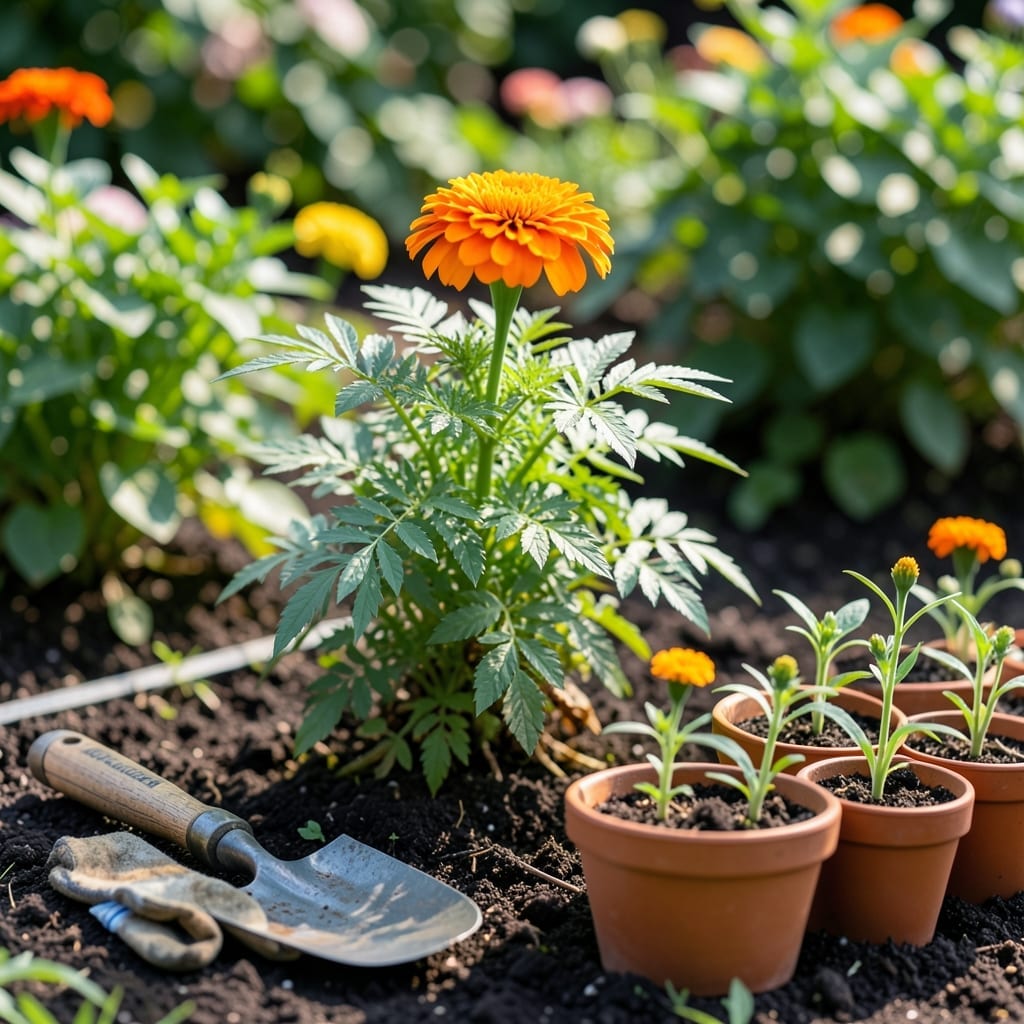
Timing is everything when planting 🌸 Flower outside—plant too early and a late frost could wipe out your garden overnight. Discover the exact signs and dates to ensure your blooms thrive from day one.
I’ve learned the hard way that rushing the season rarely ends well. Whether you’re in zone 6 or elsewhere, knowing your local conditions makes all the difference for your spring garden.
From soil temperature to frost dates, there are clear indicators that it’s safe to get your Flower in the ground. These simple checks can save you weeks of heartache and wasted effort.
Let me walk you through the most important factors to consider before planting. Your vibrant garden starts with getting the timing just right.
I’ve learned the hard way that planting too early can spell disaster for tender flowers. The last frost date is your golden rule—it’s the average day when frost stops threatening your garden for the season.
Your USDA hardiness zone determines this date, and it varies by region. For example, Zone 5 often has its last frost in mid-April, while Zone 7 might see it in early March. Always check local data to be sure.
| USDA Zone | Last Frost Date | Safe Planting Window |
|---|---|---|
| Zone 3-4 | May 15 | Mid-May to June |
| Zone 5-6 | April 15 | Mid-April to May |
| Zone 7-8 | March 15 | Mid-March to April |
| Zone 9-10 | February 15 | Mid-February to March |
Annual flowers like petunias and marigolds can’t survive frost, so they must wait until after the last frost date. Perennials are hardier, but even they prefer warmer soil for best results.
To find your local frost date, I recommend checking the USDA Plant Hardiness Zone Map or using a gardening app with zip code lookup. This ensures you’re working with hyper-local data, not just regional averages.
Microclimates can shift your planting window by weeks. Urban areas, south-facing slopes, or spots near brick walls warm up faster. I’ve seen city gardens plant 2-3 weeks earlier than rural ones.
If you’re eager to start, harden off your seedlings by exposing them to outdoor conditions gradually. This reduces transplant shock when you finally plant them outside.
Watch for nature’s signs too. When oak leaves are the size of squirrel ears, and dandelions are blooming, it’s often safe to plant cool-season flowers like pansies and snapdragons.
Soil temperature matters just as much as air temperature. Most warm-season flowers need soil at 60°F or higher. I use a soil thermometer to check—it’s a game-changer for precision.
Remember, these dates are guidelines, not guarantees. A late frost can still happen, so I always keep frost cloth on hand for emergency protection. Better safe than sorry! 🌱
I always check soil temperature before planting—it’s more reliable than air temps. Most annual flowers need soil at least 60°F to thrive, while perennials often tolerate 50-55°F. Use a soil thermometer for accuracy.
A consistent air temperature above 50°F for a week is another green light. Watch for nature’s cues too: blooming dandelions or dogwood trees signal it’s safe for many flowers.
I also test soil moisture—if it’s too wet or clumps tightly, wait. Dry, crumbly soil warms faster and supports root growth. Hardy perennials like bleeding hearts can go in earlier than tender annuals.
For cool-season flowers like pansies, I plant as soon as soil is workable. But heat-lovers like petunias need warmer soil, so I wait until mid-spring in my Zone 6 garden.
Urban gardeners may plant 1-2 weeks earlier due to the heat island effect. Rural areas or low-lying spots can be 5°F cooler, so adjust accordingly.
Finally, I always check the 10-day forecast for late frosts. When in doubt, I use row covers or cloches for extra protection. Patience pays off with stronger plants and earlier blooms.
Pro tip: Keep a garden journal to track your local planting windows year to year 🌱