
Beautiful Plants For Your Interior
Beautiful Plants For Your Interior
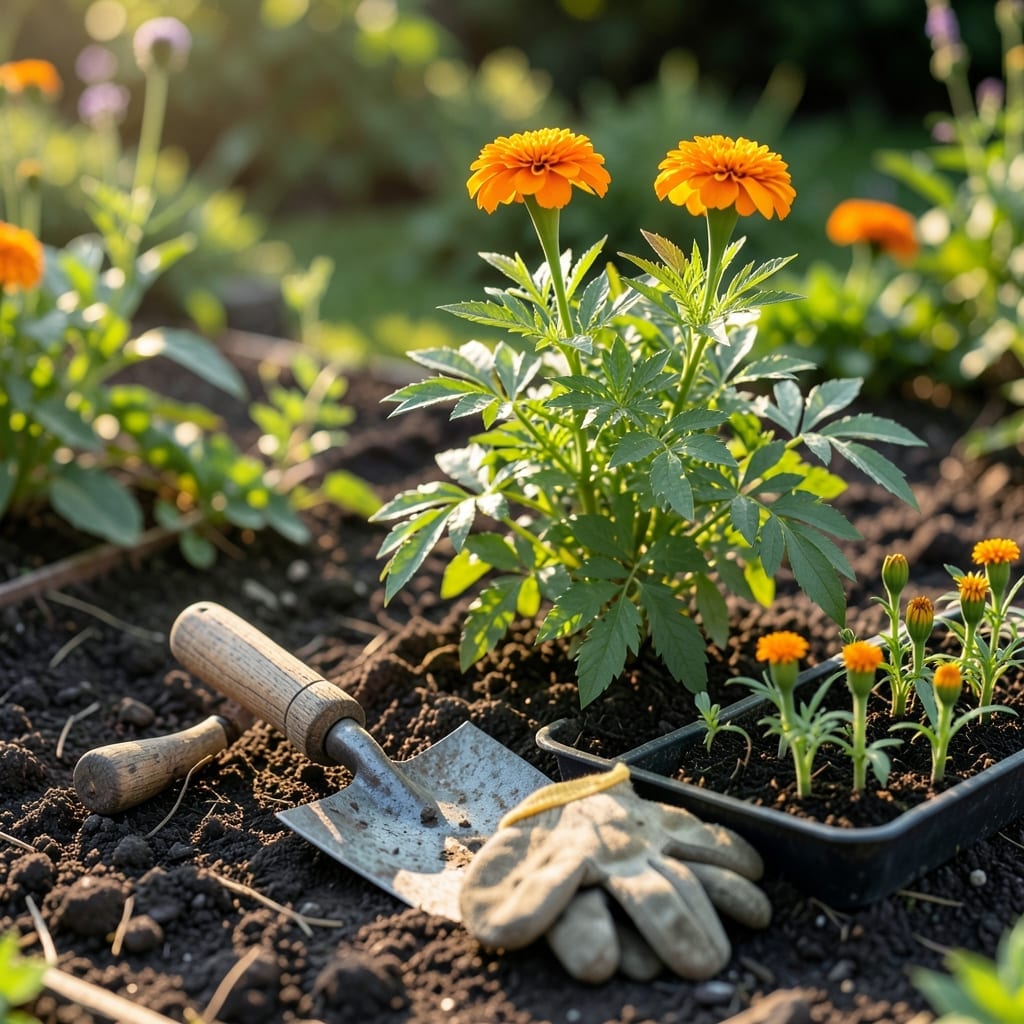
Timing is everything when planting Flowers in Missouri—plant too early, and a late frost could wipe out your garden.
I learned this the hard way my first spring in zone 6a. The excitement of seeing those first 🌸 blooms turn to disappointment when an unexpected cold snap hit.
But there’s a better way. Understanding Missouri’s frost-free dates and seasonal patterns can save you from heartbreak and wasted effort.
Let me walk you through exactly when it’s safe to get those Flowers in the ground, so you can enjoy a vibrant garden all season long.
Missouri’s diverse climate means frost-free dates vary significantly across the state. In the northern regions, like Kansas City, the last frost typically occurs around April 15, while southern areas, such as Springfield, often see their last frost by April 1. 🌱
For gardeners in the Ozarks or central Missouri, the last frost usually hits around April 10. These dates are based on USDA hardiness zones, with most of Missouri falling in Zones 5b to 7a. Always check your local microclimate for precision. 🌿
| Region | Avg. Last Frost | Safe Planting Window | USDA Zone |
|---|---|---|---|
| Northern Missouri | April 15 | Mid-April to May | 5b-6a |
| Central Missouri | April 10 | Early April to May | 6a-6b |
| Southern Missouri | April 1 | Late March to April | 6b-7a |
| Ozarks | April 10 | Early April to May | 6b |
For annual flowers like marigolds and zinnias, wait until after your region’s last frost date to avoid cold damage. These plants thrive in warmer soil and cannot survive a freeze. 🌻
Perennial flowers, such as coneflowers and black-eyed Susans, are hardier and can often be planted 2-3 weeks before the last frost. They establish roots early and tolerate light frosts better than annuals.
If you’re eager to start early, consider frost-tolerant annuals like pansies and snapdragons. These can handle light frosts and are perfect for Missouri’s unpredictable spring weather. 🌷
Soil temperature is another critical factor. Most flowers need soil temps above 50°F to germinate and grow. Use a soil thermometer to check conditions before planting. If the soil is still cold, wait a week or two.
Microclimates also play a role. Urban areas, south-facing slopes, and spots near buildings may warm up faster. I always plant my petunias and impatiens in these warmer pockets to get a head start. 🪴
Keep an eye on the 10-day forecast before planting. If a late frost is predicted, cover tender plants with frost cloth or old blankets overnight. This simple step can save your garden from unexpected cold snaps.
Finally, remember that Missouri’s first frost in fall typically arrives around October 15 in the north and October 25 in the south. Plan your planting schedule to enjoy blooms all season long. ✂️
Once Missouri’s last frost date passes, it’s time to get those frost-sensitive flowers in the ground. I always wait until mid-April in zone 6a before planting warm-season favorites.
For early bloomers like pansies and snapdragons, you can push the envelope a bit. These cold-hardy annuals can handle light frosts, making them perfect for late March planting.
For perennial flowers, timing varies by type. Daylilies and cone flowers can go in as soon as the soil is workable, usually late March in most areas.
Annual flowers like petunias and cosmos should wait until after April 15. I learned this the hard way when an early May frost zapped my first attempt.
Don’t forget about soil temperature. Warm-season flowers need 60°F soil to thrive. Use a soil thermometer to be sure before planting.
And remember, microclimates matter. Urban areas and south-facing slopes may warm up 1-2 weeks earlier than rural spots or low-lying areas. 🌸