
Beautiful Plants For Your Interior
Beautiful Plants For Your Interior
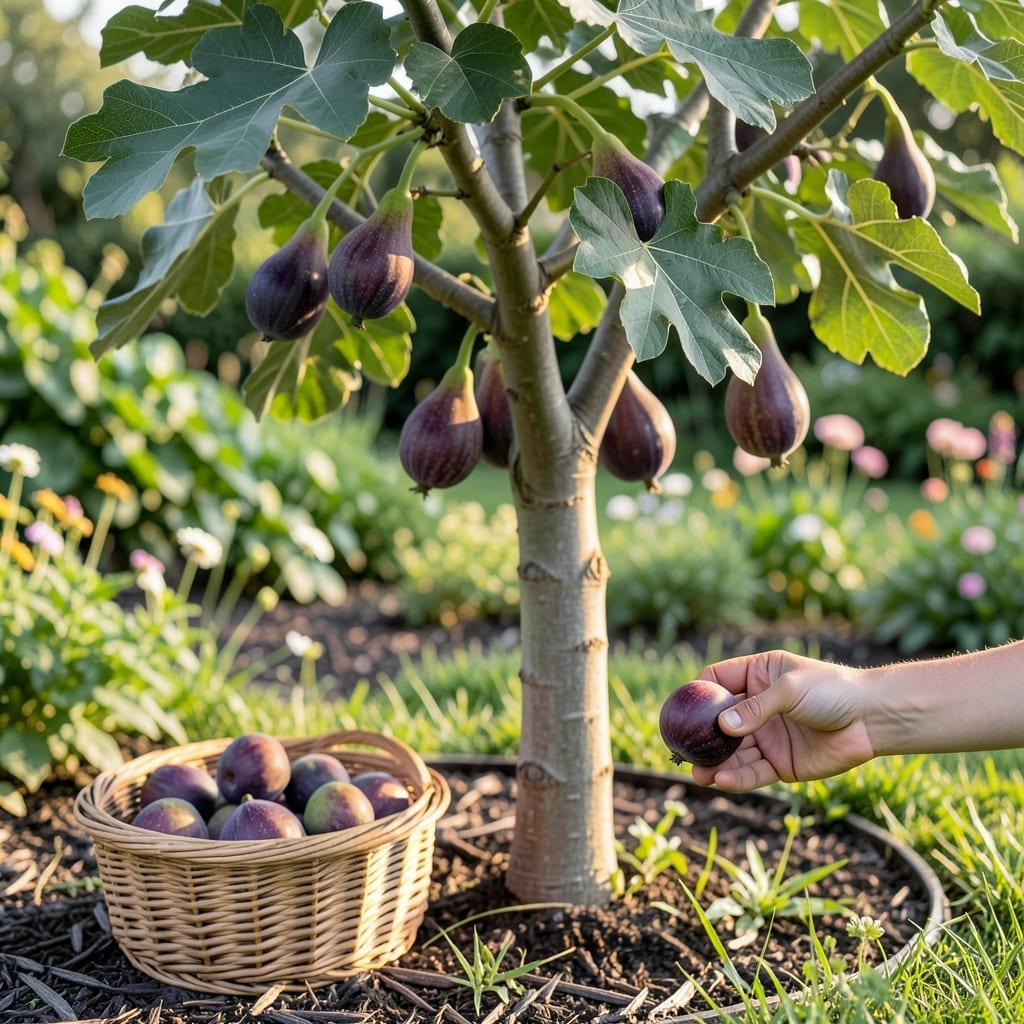
Knowing exactly when a fig is ripe can mean the difference between a disappointing bite and a burst of sweet, jammy perfection. The 🍇 Fig tree rewards patient growers, but its subtle ripening signs often go unnoticed until it’s too late.
I’ve learned that timing is everything with these fruits. From June to September, your tree will give you clues if you know what to look for.
Discover the simple visual cues and seasonal timing that guarantee you’ll never pick an unripe fig again. Let’s make this harvest your most successful yet.

I always watch my fig tree closely from June to September, when ripening typically occurs. The first clue is a color transformation – most varieties shift from green to deep purple, brown, or black hues.
But color alone isn’t enough. A truly ripe fig will have a slightly drooping neck and feel soft to gentle pressure. I’ve found that Brown Turkey figs often develop tiny cracks near the stem when ready.
| Variety | Ripe Color | Texture Sign |
|---|---|---|
| Black Mission | Deep purple-black | Very soft, jam-like |
| Brown Turkey | Rich brown | Slightly squishy |
| Celeste | Violet-brown | Firm but yields |
Many gardeners mistakenly think size equals ripeness. I’ve seen smaller figs that were perfectly ripe while larger ones remained hard. The neck droop is often a more reliable indicator than dimensions.
Another telltale sign is the ease of detachment. A ripe fig will come away cleanly with just a gentle twist. If you have to tug, it’s not ready yet. This is especially true for Black Mission figs.
Don’t overlook the aroma test. Ripe figs emit a sweet, honey-like scent near the stem. I make it a habit to sniff the base of each fig before harvesting. If there’s no smell, it needs more time.
The stem end often reveals ripeness too. When it starts to split slightly and emit a sticky sap, your fig is likely at peak ripeness. This is nature’s way of saying “pick me now!”
For green fig varieties like Kadota, the color change is more subtle. Look for a yellowish tint developing beneath the skin. The texture test becomes even more important with these types.
I’ve learned that morning harvesting works best. Figs ripen overnight and are at their peak sweetness in the early hours. Plus, they’re less likely to split from heat if picked before the day warms up.
Remember that birds and squirrels are excellent ripeness detectors. If you notice wildlife interest in your figs, it’s a good sign they’re ready. Just be sure to harvest promptly to beat them to the prize!
Finally, trust your instincts and observations. With practice, you’ll develop an eye for the perfect harvest window. My fig tree has taught me that patience and attention to these visual cues always pay off. 🌿
I’ve learned that fig ripening follows a seasonal rhythm, typically from early summer to fall. In my garden, the first ripe figs appear in June, with the main harvest stretching through September.
But Mother Nature doesn’t follow a strict calendar. Climate zones dramatically affect timing. In warmer USDA zones 8-11, figs may ripen 2-4 weeks earlier than in cooler areas.
In my zone 7 garden, I start checking for ripeness in mid-June. The first flush of figs always matures earlier than the second crop, which develops on new growth.
Cooler climates need special attention. I’ve found that container-grown figs in zone 5 can ripen successfully if moved to full sun and protected from late frosts. The key is patience – they may take 180 days to mature.
For warmer regions, the challenge is often heat management. In zone 10, figs may ripen too quickly, splitting before harvest. I combat this with consistent watering and afternoon shade for my trees.
The microclimate in your yard matters too. My south-facing wall creates a warm pocket where figs ripen 1-2 weeks earlier than those in shadier spots. Observe your space carefully.
Remember that variety selection affects timing. Early varieties like Desert King produce ripe figs in spring, while late varieties may hold until fall. Choose wisely for your climate. 🌿