
Beautiful Plants For Your Interior
Beautiful Plants For Your Interior
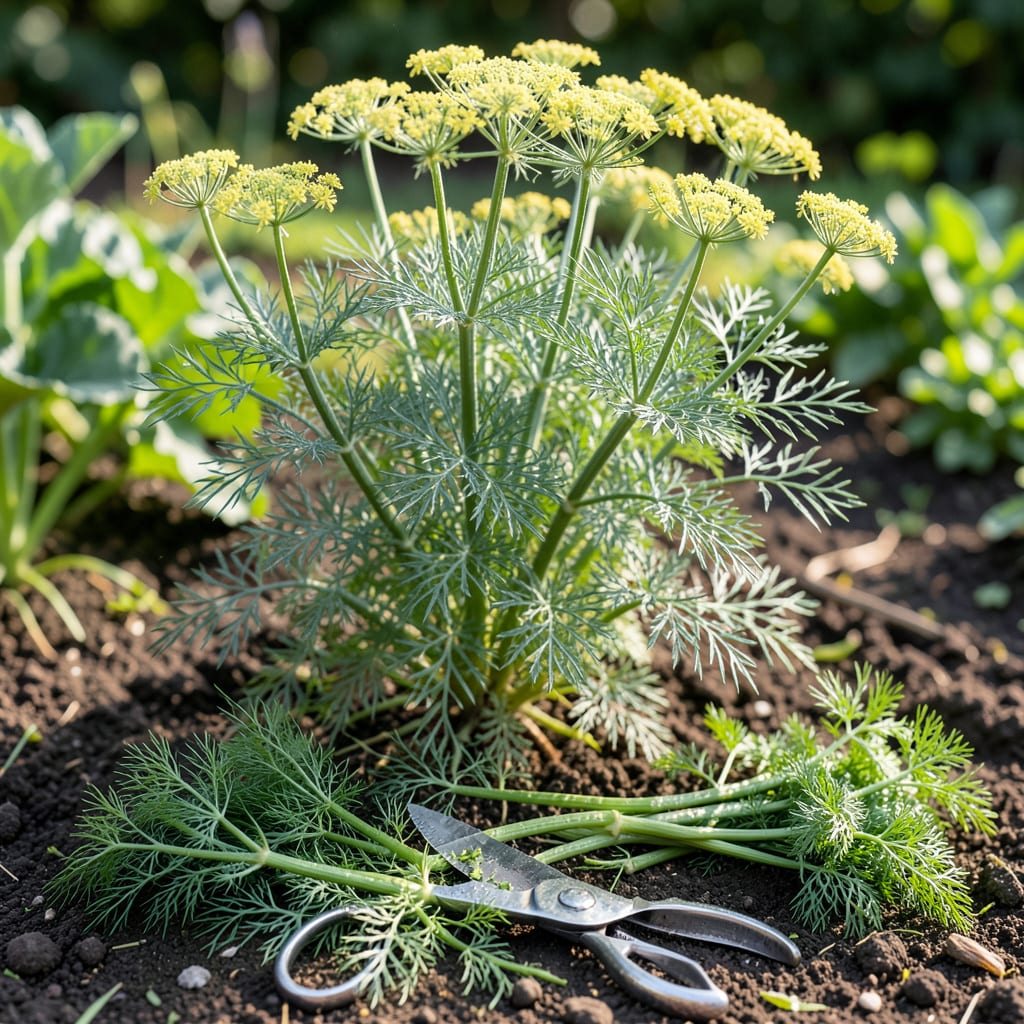
Knowing exactly when to harvest Dill 🌿 can mean the difference between flavorful, aromatic leaves and a bitter, overripe plant. Timing is everything with this fast-growing herb.
I’ll show you the key signs to look for and when to pick for the best flavor. Whether you’re growing it for leaves or seeds, getting this right ensures a bountiful harvest.


Timing your dill harvest perfectly starts with knowing what to look for. I always check for fully formed leaves that are a rich, dark green color first.
The plant should stand 12-18 inches tall with sturdy stems before you even consider picking. These are the clearest indicators that your dill is at its peak for leaf harvesting.
| Harvest Sign | What to Look For |
|---|---|
| Height | 12-18 inches tall |
| Leaf Color | Dark green leaves |
| Stem Condition | Thick and firm |
| Aroma | Strong scent when crushed |
| Flower Buds | Not yet opened |
For leaf harvesting, I recommend picking before any flower buds appear. Once buds form, the leaves start turning bitter as the plant focuses energy on seed production.
If you’re growing dill for seeds, wait until the flower heads turn brown and dry. This usually happens 6-10 weeks after planting, depending on your climate.
The stems should be thick enough to snap cleanly when bent. Thin, flimsy stems mean your dill isn’t ready yet, so I’d suggest giving it more time in the garden.
Another great indicator is the aroma. Crush a leaf between your fingers—if it releases a strong, fresh dill scent, it’s ready. Weak or no scent means it needs more growing time.
I’ve found that dill plants with multiple leaf clusters along the stem are perfect for harvesting. This bushy growth shows the plant is mature and producing well.
Remember, morning harvesting gives you the best flavor, as the essential oils are most concentrated after the dew dries but before the midday heat.
If you see yellowing leaves or the plant starting to topple over, you’ve likely waited too long. At this point, the flavor will be mild and bitter rather than fresh and pungent.
For continuous harvests, I regularly trim the outer leaves, which encourages the plant to produce more foliage. This works best when done before the flowering stage begins.
Always use clean, sharp shears to avoid damaging the plant. This helps prevent disease and ensures your dill keeps growing strongly for future harvests.
Timing your dill harvest depends entirely on what part you want. For fresh leaves, I start checking at 4-6 weeks after planting when the plants are 12-18 inches tall.
This is when the leaf flavor is at its peak—just before the plant starts focusing energy on flower production. The leaves should be fully formed and dark green at this stage. 🌿
If you’re growing dill for seeds, you’ll need to wait longer—typically 8-10 weeks. The flower heads will turn from green to brown and dry, which is your signal that the seeds are ready.
For pickling dill, I harvest the flower heads when they’re just opening. This usually happens around 6-8 weeks and gives that classic dill flavor to your pickles.
Remember that climate affects timing. In warmer zones, dill matures faster. In cooler areas, it may take an extra 1-2 weeks to reach each stage.
I always mark my calendar at 60 days from planting as my first check-in. This gives me a good baseline for when to start monitoring my plants closely for harvest readiness.
For continuous leaf harvests, I stagger my plantings every 2-3 weeks. This ensures I always have fresh dill ready while earlier plantings mature for seeds.
Even experienced gardeners can make mistakes when harvesting dill. I’ve seen many ruin their crop by picking too early or waiting too long. Both extremes lead to poor flavor and wasted effort.
Harvesting before the plant reaches 12 inches means the leaves are underdeveloped and weak in aroma. On the other hand, waiting until flower heads fully open results in bitter leaves.
⚠️ Warning: Dull tools crush stems, causing damage and disease. Always use sharp shears for clean cuts that promote healthy regrowth.
Another common error is harvesting during the hottest part of the day. I always pick in the early morning when essential oils are most concentrated, ensuring the best flavor and aroma.
Over-harvesting is also a problem. Taking more than one-third of the plant at once stresses it and slows future growth. I trim outer leaves first to keep the plant productive.
Finally, avoid harvesting wet dill. Morning dew or rain can lead to mold if leaves aren’t dried properly. I wait until foliage is completely dry before cutting. ✂️
Dill is ready when it reaches 12-18 inches tall with sturdy stems. This height ensures the leaves are fully developed and packed with flavor.
Leaves turn bitter once flowers open. For best flavor, pick leaves before buds form. If you want seeds, wait until flower heads turn brown and dry.
Early morning is ideal, after dew dries but before midday heat. This is when essential oils are most concentrated, giving you the strongest aroma.
Trim outer leaves every 2-3 weeks, but never remove more than one-third of the plant at once. This encourages bushy growth and continuous production.
