
Beautiful Plants For Your Interior
Beautiful Plants For Your Interior
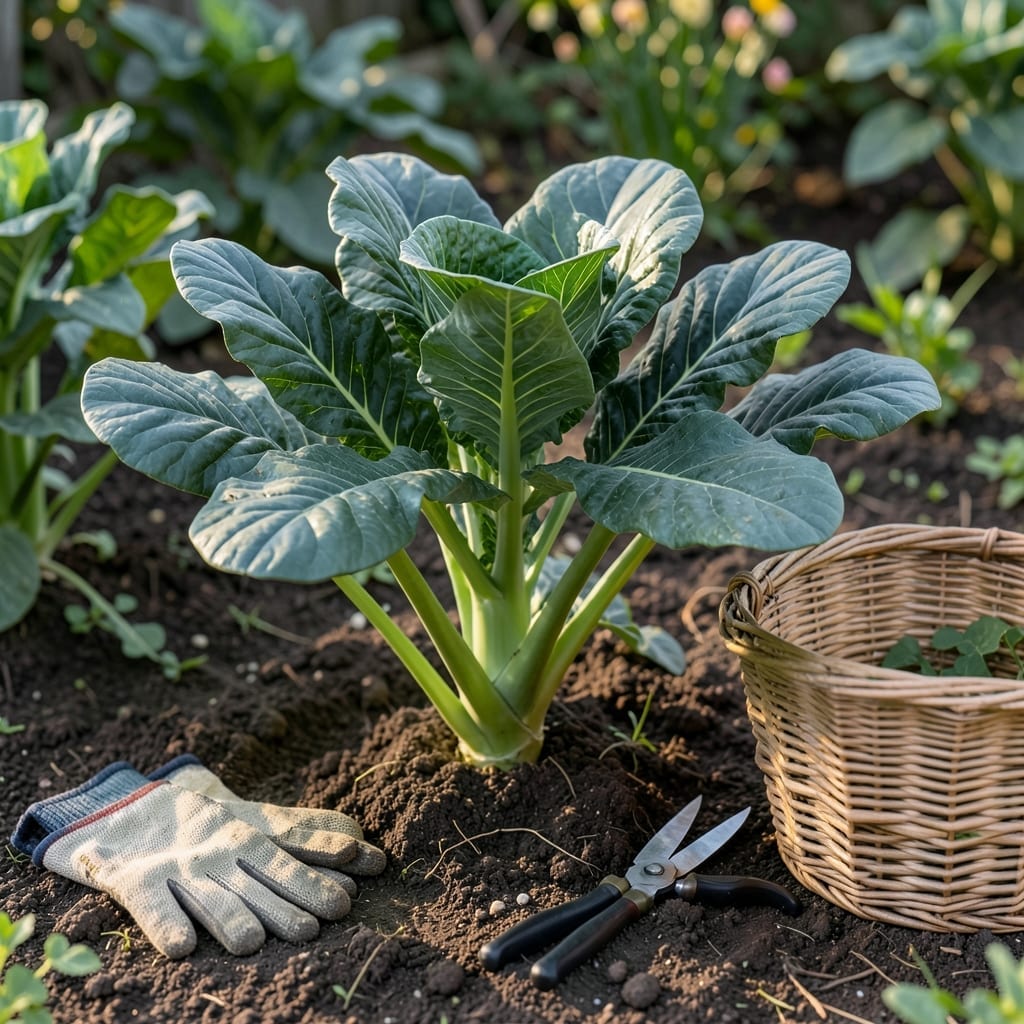
There’s nothing quite like the taste of fresh Collard Greens 🥬 straight from the garden. But timing is everything when it comes to enjoying their peak flavor and texture.
As a cool-weather crop, they thrive in specific windows, leaving many gardeners wondering when to plant and harvest. The good news? With the right timing, you can enjoy multiple harvests.
Discover the best seasons for growing this hearty green and how to make the most of your crop. Let’s dig in.
If you’re growing collard greens, timing is everything. This cool-season crop thrives in spring and fall, with regional variations affecting the best planting windows. In most areas, they grow best when temperatures stay between 60-75°F. 🌿
From the Deep South to the Northern states, the ideal planting and harvest times shift. Knowing your USDA Hardiness Zone helps you pinpoint the perfect schedule for a bountiful harvest.
| Region | Planting Time | Harvest Window | Notes |
|---|---|---|---|
| South (Zones 7-9) | Feb-Mar or Aug-Sept | Apr-May or Oct-Dec | Avoid summer heat |
| Midwest (Zones 5-6) | Apr-May or July-Aug | Jun-July or Sept-Oct | Frost-tolerant for fall |
| Northeast (Zones 4-6) | Apr-May or July | Jul-Aug or Sept-Oct | Use row covers for spring |
| West Coast (Zones 8-10) | Year-round in mild areas | 60-75 days after planting | Water consistently in dry climates |
In the Southern states, I plant my first crop in late winter for a spring harvest. The plants grow quickly in the mild weather before summer heat sets in. A second crop can go in late summer for a fall and winter harvest. 🌱
For Northern gardeners, the window is tighter. Plant seeds 4-6 weeks before the last frost for a spring harvest. For a fall crop, sow seeds in midsummer so plants mature before the first hard frost.
Collard greens are remarkably frost-tolerant, often tasting sweeter after a light frost. In zones with mild winters, they can even overwinter for an early spring harvest. I’ve seen my plants survive temperatures down to 20°F with protection. 🌡️
If you’re in a region with hot summers, focus on fall planting. The plants will grow slowly in the heat but take off when temperatures cool. In coastal areas with mild climates, you might even get a year-round harvest with succession planting.
For the best flavor, harvest leaves when they’re 10-12 inches long. The outer leaves mature first, so I pick those first, allowing the center to keep growing. This cut-and-come-again method extends your harvest significantly.
Remember, soil temperature matters too. Seeds germinate best when soil is 50-85°F. In cooler climates, I use black plastic mulch to warm the soil for earlier planting. ☀️
No matter your region, collard greens reward patience. With proper timing, you’ll enjoy fresh, tender leaves from your garden for months. The key is working with your local climate, not against it.
With the right techniques, I’ve stretched my collard greens harvest from a few weeks to several months. These cool-weather champions can keep producing if you give them a little extra care. The key is protecting them from extreme temperatures while encouraging steady growth.
I’ve found that succession planting works wonders. By sowing new seeds every 2-3 weeks, I create a staggered harvest that keeps my kitchen stocked with fresh greens well into winter. This method prevents the feast-or-famine cycle many gardeners experience.
For fall crops, I always use floating row covers when nighttime temperatures dip below 40°F. These lightweight fabrics trap heat while allowing light and water through. I’ve kept plants productive 4-6 weeks longer with this simple addition. ☀️
Cold frames are another game-changer. In my zone 6 garden, I can harvest collards well into December using a simple DIY cold frame. The key is venting it on sunny days to prevent overheating. I’ve even harvested fresh leaves on Christmas Day with this setup!
Don’t overlook container gardening for extending your season. Potted collards can be moved to sheltered locations when cold snaps hit. I keep mine on a sunny porch during the coldest months, bringing them out on warmer days to soak up sunlight. 🌱
Finally, remember that collard greens actually improve with frost. The cold converts starches to sugars, making the leaves sweeter. I’ve noticed my winter-harvested collards are often the most flavorful of the year. With these techniques, you can enjoy fresh greens long after other crops have faded.