
Beautiful Plants For Your Interior
Beautiful Plants For Your Interior
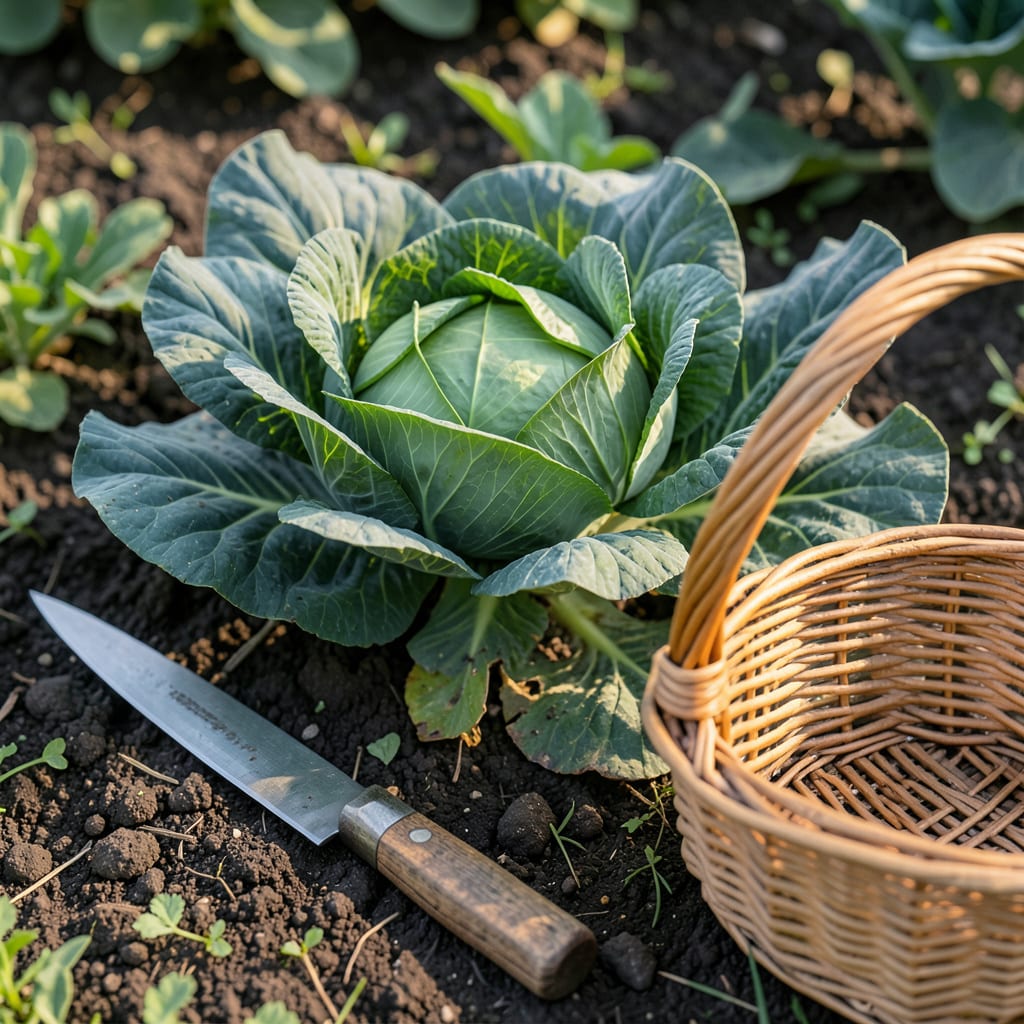
Timing your cabbage harvest perfectly can transform your garden’s success. With 🥬 cabbage, the difference between a crisp head and a bitter one often comes down to a few days.
I’ll help you spot the subtle signs of readiness and share the ideal window for picking in zone 6. Let’s make sure you get it right.


I always check for head firmness first when determining if my cabbage is ready. A mature head should feel solid and dense when gently squeezed, not soft or spongy.
Size matters too—most green cabbage varieties reach 4-6 inches in diameter at harvest time, while red or savoy types may grow slightly larger before they’re ready.
| Variety | Size at Harvest | Days to Maturity |
|---|---|---|
| Green Cabbage | 4-6 inches | 60-75 days |
| Red Cabbage | 5-7 inches | 70-85 days |
| Savoy Cabbage | 6-8 inches | 80-90 days |
Another key indicator is leaf color. For green cabbage, the outer leaves should be a vibrant green, while red varieties deepen to a rich purple-red hue.
I also look for tightly packed leaves at the center. If the head feels loose or springy, it needs more time. A thick, sturdy stem at the base is another sign of readiness.
Don’t wait too long—overmature cabbage can split open, especially after heavy rain. I check daily once heads near their expected size, as they can ripen quickly in warm weather.
For early varieties, expect to harvest around 60 days, while late-season types may take up to 90 days. Timing depends on your planting date and local climate.
If you’re unsure, try the “squeeze test”. Press the head lightly—if it bounces back and feels solid, it’s ready. If it stays indented or feels soft, give it a few more days.
I’ve found that cool weather can extend the harvest window, while heat waves may accelerate maturity. Adjust your checks based on temperature fluctuations in your area.
Finally, watch for outer leaves starting to yellow or drop. This is nature’s signal that the head is fully mature and ready to pick.
Harvest in the early morning for the best flavor and crispness, and use a sharp knife to cut the stem cleanly at the base
I’ve seen many gardeners rush to pick their cabbage heads too early, only to find they’re underdeveloped and loose. Wait until the head feels firm and solid when squeezed.
Another common error is leaving cabbage in the ground too long. Overmature heads can split open, especially after heavy rain, making them susceptible to pests and rot.
⚠️ Warning: Never twist or pull cabbage heads from the stalk. Always use a sharp knife to cut cleanly at the base to avoid damaging the plant and ensure a clean harvest.
Improper cutting is another mistake I caution against. Always use a clean, sharp blade and cut the stalk about 1-2 inches below the head to prevent disease transmission.
Many forget to check the weather forecast before harvesting. Picking during wet conditions can lead to waterlogged heads that spoil quickly. Aim for a dry, sunny morning instead.
Ignoring variety-specific timelines can also cause issues. Early cabbages may mature in 60 days, while late varieties need up to 90 days. Always track your planting dates carefully.
Finally, don’t overlook pest damage. If you notice holes or chew marks on the leaves, it’s often a sign to harvest immediately before the head is compromised.
Store harvested cabbage in a cool, dry place or refrigerator to maintain freshness and crispness for weeks 🌿
Once I’ve harvested my cabbage heads, I focus on preserving their freshness and crispness. Proper storage starts with removing loose outer leaves to prevent spoilage.
I always let the heads cool down in a shady spot for an hour after picking. This helps retain moisture and slows wilting.
For refrigerator storage, I wrap each head in paper towels to absorb excess moisture. This prevents soggy leaves and extends shelf life.
Avoid washing cabbage until right before use. Extra moisture speeds up mold growth and shortens storage time.
If I notice any soft spots or odors, I use those heads first. Properly stored cabbage stays crisp and flavorful for weeks 🌿
Gently squeeze the head—it should feel solid and dense, not soft or spongy. A ready cabbage bounces back when pressed and has tightly packed leaves at the center.
Overmature heads can split open, especially after heavy rain, making them prone to pests and rot. Harvest once the head reaches its expected size for your variety.
Pick in the early morning for the best flavor and crispness. This is when the heads are most hydrated and least stressed by heat.
Yes, but act quickly. A split head is still edible if harvested immediately and stored properly. Delaying can lead to pest damage or spoilage.
