
Beautiful Plants For Your Interior
Beautiful Plants For Your Interior
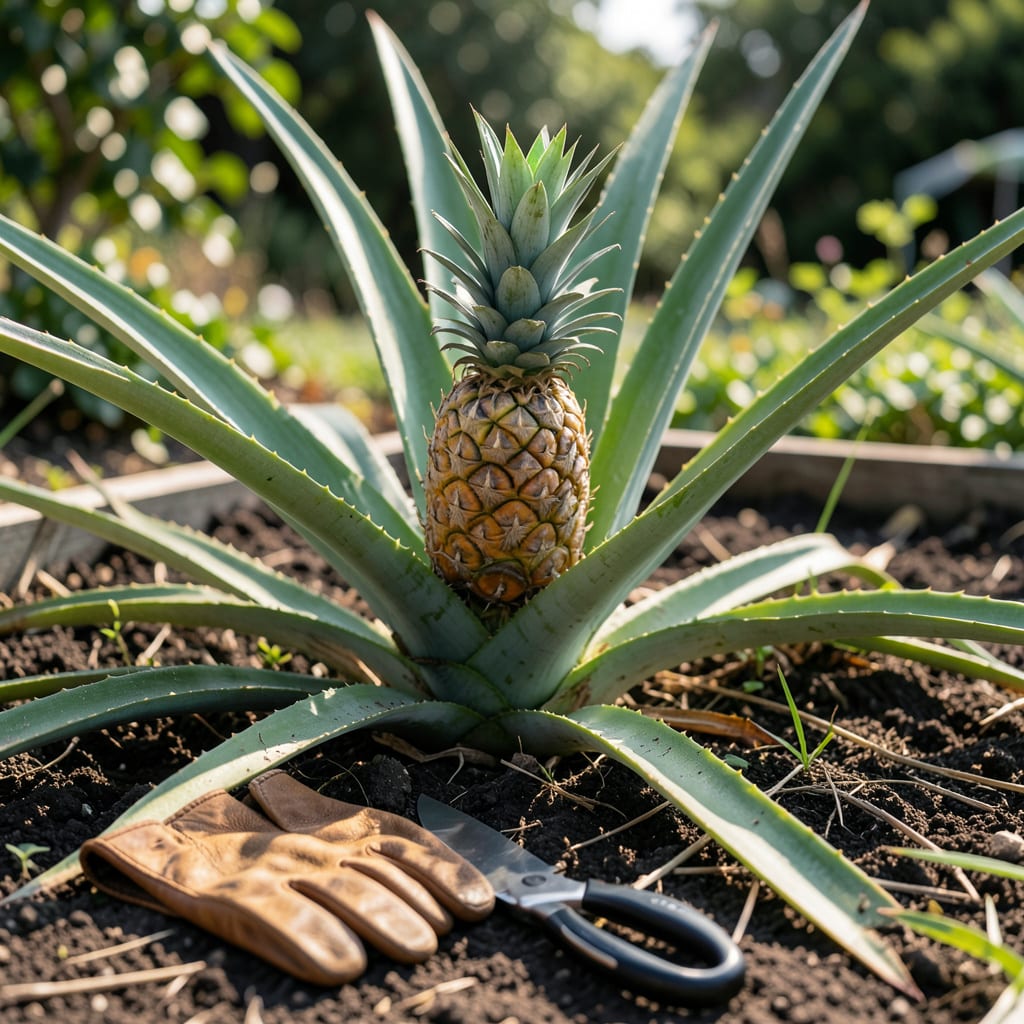
Picking a Pineapple 🍍 at the perfect moment means the difference between sweet, juicy perfection and a bland, underripe disappointment.
Knowing the subtle signs of ripeness ensures you harvest at peak flavor. I’ll show you exactly how to spot those key indicators so you never guess wrong again.


I’ve found that the color transformation is the most reliable indicator for pineapple ripeness. As your fruit matures, watch for the skin shifting from deep green to a golden-yellow hue, especially near the base.
The base color change often happens first, even while the top remains green. This gradient effect signals the sweetness development inside the fruit.
| Color Stage | Ripeness Level | Action Needed |
|---|---|---|
| Full green | Not ripe | Wait 1-2 weeks |
| Green with yellow spots | Approaching ripe | Check daily |
| Mostly golden-yellow | Perfectly ripe | Harvest immediately |
| Dark yellow/orange | Overripe | Harvest urgently |
Many gardeners make the mistake of waiting for the entire pineapple to turn yellow. In reality, a partial color change at the base is often sufficient for harvesting.
I recommend checking your pineapple in the early morning when the colors appear most vibrant. The natural light at this time makes it easier to spot the subtle hue transitions that indicate ripeness.
Remember that regional variations exist – pineapples grown in cooler climates may develop a more pale yellow color, while those in tropical areas often achieve a deeper gold.
The color test works best when combined with other indicators. I always check the base color first, then confirm with the leaf pull test for absolute certainty.
If you notice the color changing unevenly, don’t worry. This is normal and doesn’t affect the overall ripeness of the fruit. The most important area to watch is the base third of the pineapple.
For the most accurate results, I suggest comparing your pineapple to reference images of ripe fruit. This helps train your eye to spot the subtle color differences that signal perfect ripeness.
With practice, you’ll develop an instinct for the ideal color balance that means your pineapple is ready to pick. 🌿
The leaf pull test is my go-to method for confirming pineapple ripeness. Gently tug on a center leaf—if it comes out easily, your fruit is ready. This works because the sugar content softens the base of the leaves as it rises.
I also check the firmness of the fruit. A ripe pineapple will yield slightly when pressed, but shouldn’t feel mushy. The weight should feel heavy for its size, indicating good juice content inside.
The aroma test is another reliable indicator. A ripe pineapple emits a sweet, tropical smell at the base. If there’s no scent, the fruit needs more time. Be wary of any fermented odors, which suggest overripeness.
I find the base of the fruit is the most telling area. Even if the top remains green, a golden base often means the pineapple is ready. This is especially true for fruit grown in cooler climates where color development may be slower.
For the most accurate results, I recommend using multiple tests together. The leaf pull combined with color changes and aroma gives the clearest picture of ripeness. This multi-sensory approach helps avoid premature picking.
Remember that pineapples don’t ripen further after picking. Once harvested, the sugar content won’t increase, so timing is everything. When in doubt, I’d rather wait an extra day than pick too early and miss that perfect sweetness.
With these physical signs in mind, you’ll never second-guess your harvest timing again. 🌱
I see many gardeners make the critical error of relying solely on the top color of their pineapple. This often leads to premature harvesting since the base ripens first. Always check the bottom third for the first signs of yellowing.
Another common mistake is ignoring the leaf pull test. I’ve learned that even if the color looks right, if the center leaves don’t come out easily, the fruit isn’t ready. This simple test prevents many disappointing harvests.
⚠️ Warning:
Don’t harvest based on green color alone. Many varieties show ripeness with just partial yellowing at the base. Also avoid waiting for full yellow color in cooler climates where this may never occur.
I often notice gardeners forgetting the aroma test. A ripe pineapple should have a sweet smell at the base. If there’s no scent, give it more time. Conversely, a strong fermented odor means it’s overripe.
Some growers make the mistake of picking too early due to impatience. Remember that pineapples don’t ripen after harvest, so waiting a few extra days is always better than picking too soon and missing that perfect sweetness.
Finally, avoid checking your pineapple in dim lighting. I always examine mine in morning sunlight when colors are most visible. This helps prevent misjudging the true ripeness stage of your fruit.
By avoiding these common pitfalls, you’ll consistently pick pineapples at their peak. 🌳
Check the bottom third first – a golden hue there signals ripeness even if the top stays green. This gradient pattern is normal and reliable for harvesting.
A perfectly ripe one gives off a sweet, tropical aroma at the base. No smell means it needs more time, while sour odors indicate overripeness.
No – pineapples don’t ripen further after picking. The sugar content won’t increase, so wait until fully ripe on the plant.
Cooler climates slow color development. Rely more on the leaf pull test and base aroma than full yellow coloring in these conditions.
