
Beautiful Plants For Your Interior
Beautiful Plants For Your Interior
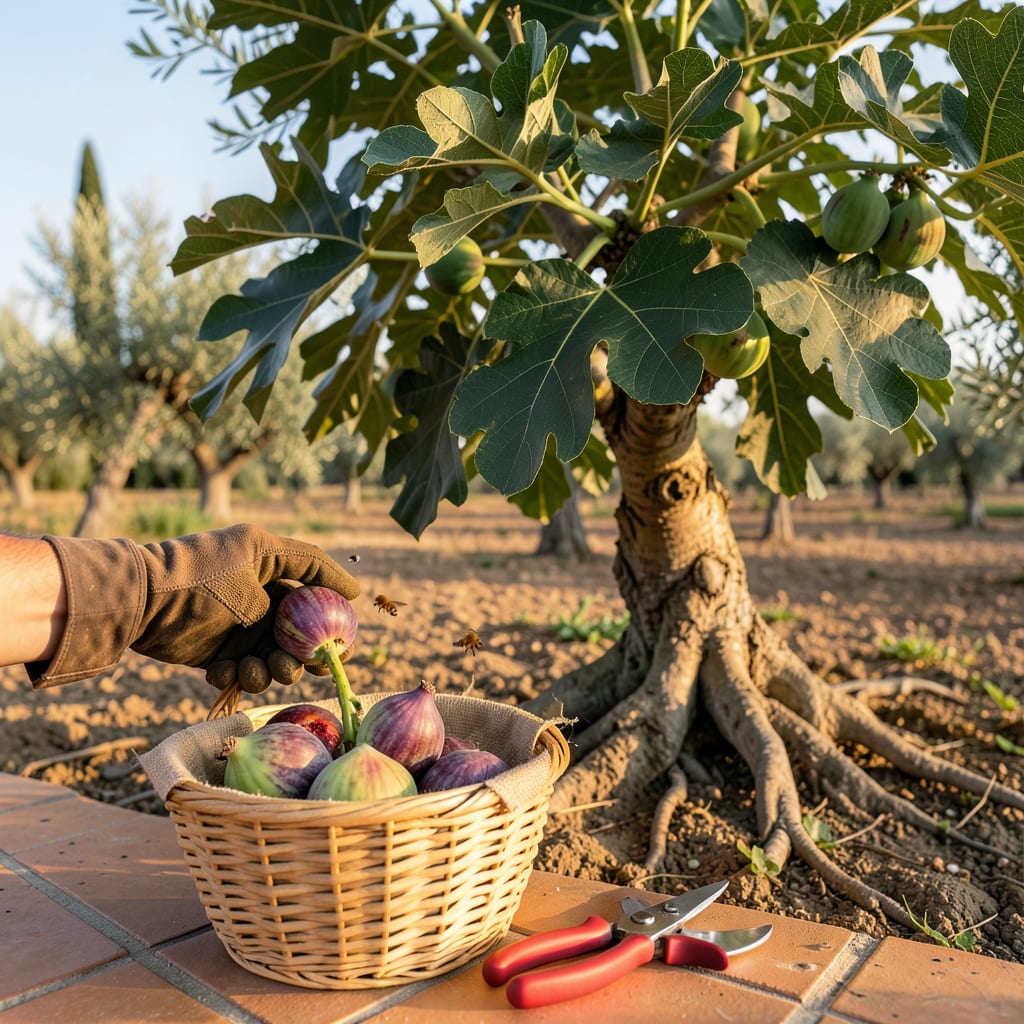
There’s nothing quite like biting into a perfectly ripe fig—juicy, sweet, and bursting with flavor. But timing is everything: pick too soon, and you’ll get a bland, rubbery disappointment; wait too long, and pests or rot might beat you to it.
After years of growing 🌳 figs in my own backyard, I’ve learned the subtle signs that tell you exactly when to harvest. Whether you’re a first-time grower or just want to refine your technique, I’ll show you how to spot that ideal moment—so every fig you pick is at its absolute peak.


Waiting for a fig to ripen can feel like watching paint dry—until you know what to look for. The secret lies in a combination of color changes, texture shifts, and even how the fruit sits on the branch. Let me walk you through the five foolproof signs.
First, forget the idea that figs ripen after picking—they don’t. Unlike tomatoes or bananas, figs only ripen on the tree, so timing is everything. I’ll show you how to spot the perfect moment, whether you’re growing Black Mission, Brown Turkey, or Kadota varieties.
| Variety | Ripe Color | Texture | Harvest Window |
|---|---|---|---|
| Black Mission | Deep purple-black | Very soft, slight crack | Late summer |
| Brown Turkey | Coppery brown | Yields to pressure | Mid to late summer |
| Kadota | Light green/yellow | Firm but plump | Early summer |
| Celeste | Violet-brown | Slightly wrinkled | Late summer |
Tip: Morning harvest preserves freshness—avoid picking after rain.
The first sign is color transformation. A ripe fig will shift dramatically from its unripe green or hard purple to a rich, uniform hue. For example, Black Mission figs turn nearly black, while Kadota figs lighten to a buttery yellow. Watch for this change daily as harvest nears.
Next, check the neck of the fig—where it connects to the stem. When ripe, this area will droop slightly and feel pliable. If it’s still stiff and upright, your fig needs more time. I like to compare it to a sleepy sunflower nodding in the breeze.
Texture is key. Gently squeeze the fig—it should feel like a water balloon, soft but not mushy. Overripe figs will ooze when pressed, while underripe ones stay firm. For varieties like Brown Turkey, a slight give under your fingertips means it’s ready.
Look for tiny cracks or tears near the stem. These form as the fig swells with sweetness and are a dead giveaway of peak ripeness. Don’t worry—these cracks are normal and even desirable! They’re nature’s way of saying, “Pick me now!”
Finally, trust your nose. A ripe fig emits a honey-like fragrance that’s impossible to miss. If you don’t smell anything, it’s not ready. I often give my figs a quick sniff in the morning when their scent is strongest.
Remember, figs don’t ripen off the tree, so resist the urge to pick early. If you’re unsure, wait one more day—it’s better to harvest a fig slightly late than too soon. And always use a gentle twist to detach it; pulling can damage the plant.
Pro tip: Wear gloves if you’re harvesting dark-skinned varieties like Black Mission—their sap can irritate skin. And if birds are a problem, drape netting over the tree a few days before peak ripeness to protect your crop.
Once you’ve mastered these signs, you’ll never again wonder, “Is this fig ready?”* Your reward? The sweetest, juiciest figs you’ve ever tasted, straight from your own tree. 🌿
Now that you know what a ripe fig looks like, let’s talk about how to confirm it’s ready without bruising the fruit. The key is using the right techniques—no squeezing like a stress ball! I’ll show you my foolproof methods for testing ripeness safely.
First, try the gentle squeeze test. Place the fig between your thumb and index finger and apply light pressure. It should give slightly, like a ripe avocado. If it feels firm, it’s not ready. If it’s mushy, you’ve waited too long. Think Goldilocks zone—just right!
To harvest without harming the fruit or tree:
Never pull—this can tear the stem or damage next season’s fruit buds!
Next, check the stem flexibility. A ripe fig’s stem will bend easily when you tilt the fruit. If it’s stiff and unyielding, the fig needs more time. I like to compare it to a bendy straw—if it moves freely, you’re good to go.
Another trick is the sniff test. Bring the fig close to your nose and inhale deeply. A ripe fig will have a sweet, honey-like aroma. No smell? It’s not ready. This works especially well in the early morning, when scents are strongest.
For dark-skinned varieties like Black Mission, look for a dull sheen on the skin. Unripe figs have a glossy appearance, while ripe ones develop a matte finish. This subtle change is often overlooked but incredibly reliable once you train your eye.
If you’re still unsure, try the size check. Most fig varieties reach 2–3 inches in length when fully ripe. Measure a few samples early in the season to establish your baseline. Under 2 inches? Give it more time.
Remember, figs don’t ripen after picking, so patience is key. If you accidentally harvest one too early, don’t despair—use it in preserves or dry it for later. But for that perfect fresh bite, trust these tests and wait for the ideal moment. Your taste buds will thank you! 🌿
Even experienced gardeners can make critical errors when harvesting figs that turn perfect fruit into a disappointing chewy mess. The most common mistake? Picking too early. I’ve seen eager growers harvest figs at first color change, only to bite into something as tasteless as cardboard.
Another blunder is using scissors or pruners to cut figs from the tree. This seems logical, but it actually damages the stem and can introduce disease. Instead, use the twist-and-lift method I shared earlier—it’s gentler on both fruit and tree.
Fix underripe figs by drying or cooking—never eat them fresh!
Timing your harvest wrong can also ruin texture. Afternoon-picked figs wilt faster because they’re stressed from heat. I always harvest before 10 AM when temperatures are cool and figs are plump with morning dew. This simple shift extends shelf life by days.
Many gardeners overlook the stem’s role in ripeness. If you see figs dropping from the tree, they’re overripe. But if they resist when twisted, they need more time. The stem should separate with just a gentle turn—no tugging required.
Finally, don’t ignore pest pressure. Birds and squirrels know exactly when figs peak. If you spot beak marks or missing fruit, it’s time to harvest immediately—even if some figs seem slightly underripe. Better a firm fig than no fig at all! 🌿
Once figs start changing color, check them daily—especially in warm weather. Ripening can happen surprisingly fast, sometimes within 24-48 hours. Morning is the best time to inspect, when figs are plump from overnight hydration.
This usually means they’re overripe or the tree is stressed. Birds and squirrels also target perfectly ripe figs. To prevent loss, harvest figs as soon as they show ripeness signs—don’t wait for “perfect” timing if pests are active.
Unfortunately, no. Figs only ripen on the tree, and cool weather slows the process. If frost threatens, harvest slightly underripe figs and use them for preserves or drying—they won’t sweeten further but can still be delicious.
Keep them in a single layer on a tray in the fridge for up to 3 days. Avoid stacking or sealing in containers—they spoil quickly from trapped moisture. For longer storage, freeze whole figs on a tray before bagging.
No—varieties like Kadota ripen in early summer, while Black Mission peak in late summer. Plant multiple varieties to extend your harvest window. Check your specific type’s expected timeline for precise planning.
