
Beautiful Plants For Your Interior
Beautiful Plants For Your Interior
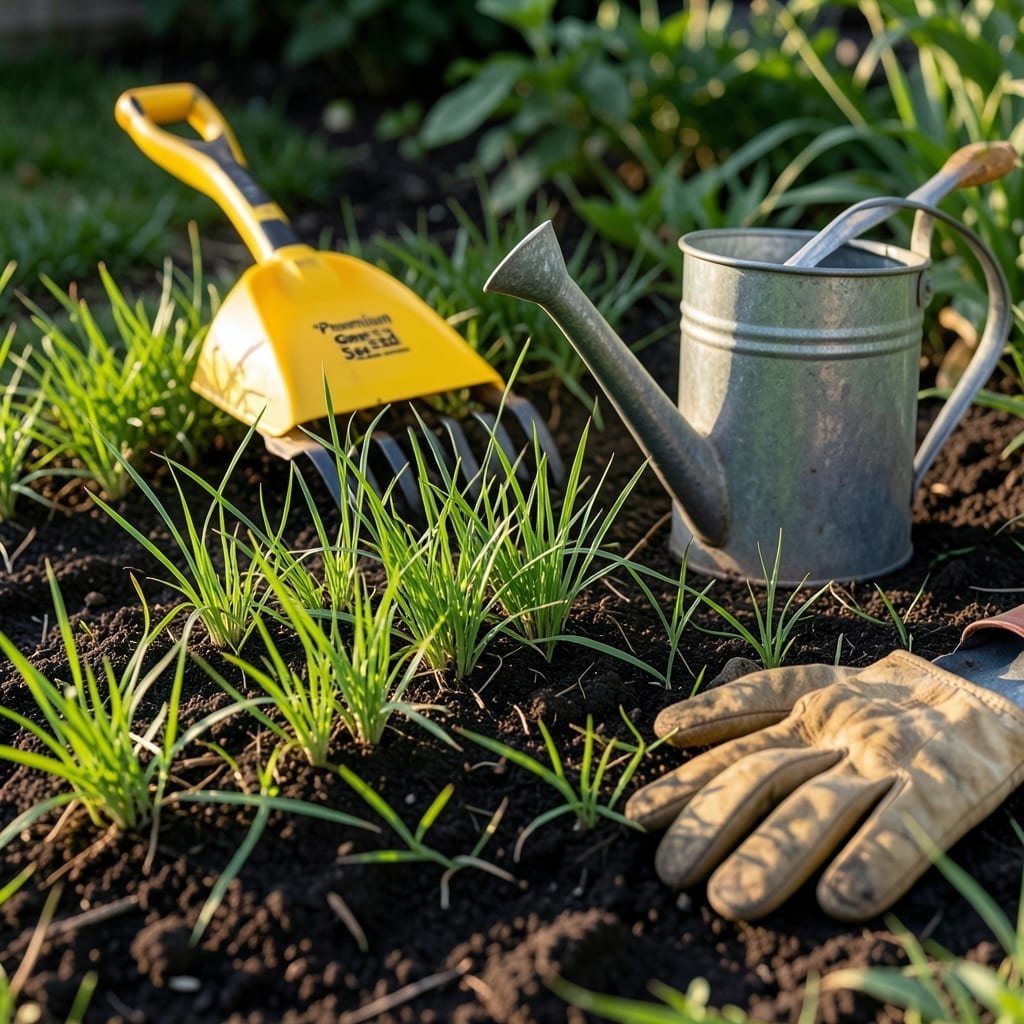
Timing is everything when it comes to planting Grass 🌱 seed in spring. Plant too early, and frost may undo all your hard work.
Too late, and the summer heat could prevent your lawn from thriving. The difference between a patchy yard and a lush carpet of green often comes down to just a few weeks.
I’ve learned the hard way that timing isn’t just important—it’s the foundation of success. Whether you’re starting fresh or overseeding, knowing the optimal window can save you time and frustration.
Discover the precise moment to plant for a lawn that turns heads all season long. Let’s get your timing right, the first time.
The ideal window for planting grass seed in spring depends heavily on your climate zone and grass type. Cool-season grasses like Kentucky bluegrass thrive when soil temperatures hit 50-65°F, typically in early spring.
For warm-season grasses such as Bermuda or Zoysia, wait until late spring when soil is consistently above 65°F. Regional frost dates also play a critical role in timing.
| Region | Grass Type | Optimal Planting Window | Soil Temp |
|---|---|---|---|
| Northeast | Cool-season | Mid-March to April | 50-60°F |
| Midwest | Cool-season | Late March to May | 55-65°F |
| South | Warm-season | April to June | 65°F+ |
| West Coast | Cool or Warm | February to April | 55°F+ |
In the Northeast, I recommend planting cool-season grasses between mid-March and April. This gives seeds time to establish before summer heat arrives. Always check your local frost dates to avoid late freezes.
For the Midwest, aim for late March through May. The soil warms more slowly here, so patience pays off. Test soil temperature with a simple thermometer at 2-inch depth for accuracy.
The Southern states favor warm-season grasses. Wait until April through June when soil stays above 65°F. Planting earlier risks poor germination due to cool nights.
On the West Coast, mild winters allow for earlier planting. February to April works for both cool and warm-season types, but watch for unexpected late frosts in inland areas.
Remember, soil temperature is more important than air temperature. Use a soil thermometer to confirm conditions. Seeds need consistent warmth to sprout reliably.
For best results, prepare your soil before planting. Remove debris, loosen the top 2-3 inches, and add compost if needed. This creates the ideal bed for seed-to-soil contact.
After planting, keep the area consistently moist but not soggy. Light, frequent watering works best until seeds germinate, which typically takes 7-21 days depending on the variety.
If you’re overseeding an existing lawn, mow low first and rake to expose soil. This helps new seeds make contact with the earth, improving germination rates significantly.
While timing is crucial, other key factors determine whether your grass seed will thrive. I’ve found that even perfect timing fails without proper soil preparation and consistent moisture.
Soil temperature must stay between 50-65°F for cool-season grasses. Use a soil thermometer to check conditions at 2-inch depth before planting.
Moisture consistency is critical during the first 7-21 days. I water lightly daily if rain isn’t in the forecast, ensuring seeds stay damp but not submerged.
Seed-to-soil contact can’t be overstated. After sowing, gently rake the area to press seeds into the soil. This improves germination rates by 30-50% in my experience.
For sunlight exposure, most grasses need full sun. If your lawn has shady spots, choose shade-tolerant varieties like fine fescue or creeping red fescue.
Finally, avoid over-seeding, which wastes seed and creates competition. Stick to the recommended rate on the package for even, healthy growth. 🌱