
Beautiful Plants For Your Interior
Beautiful Plants For Your Interior
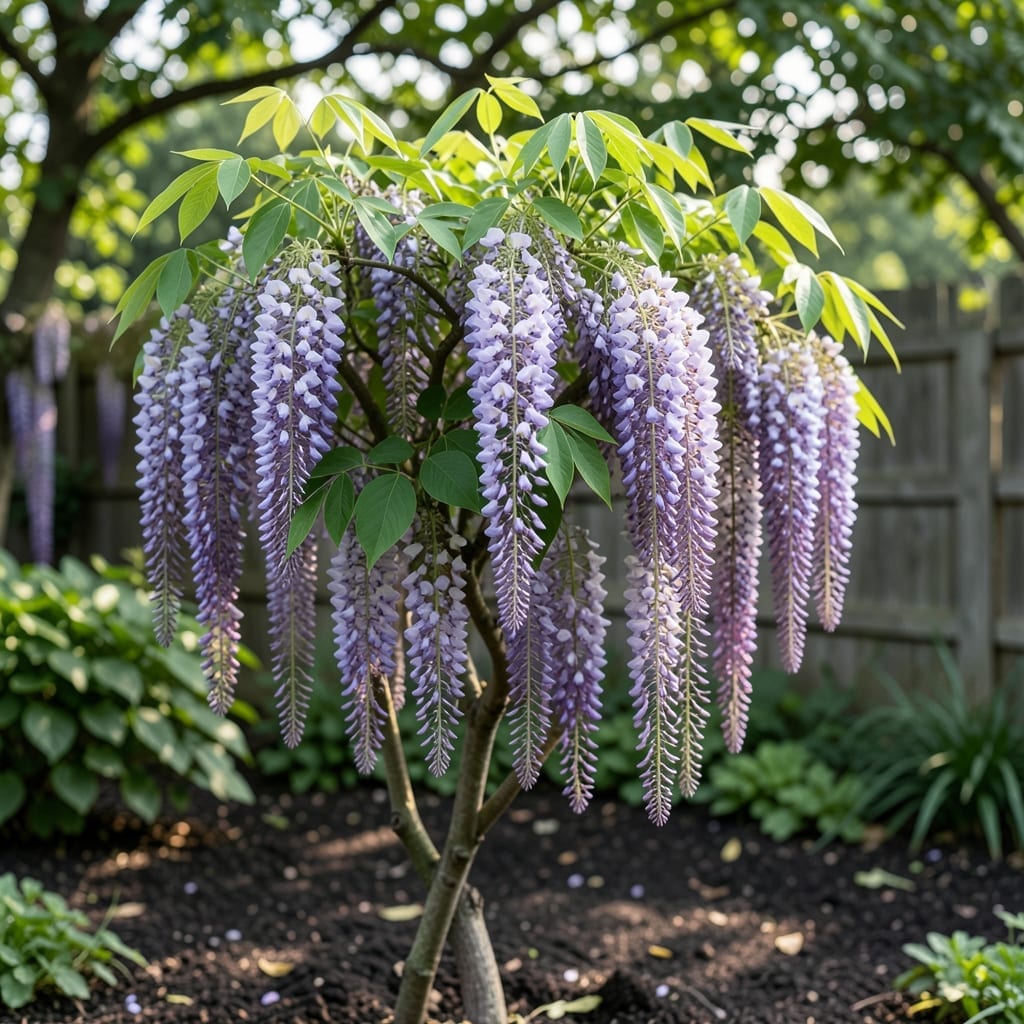
There’s something magical about watching 🌸 Wisteria transform your garden with its cascading blooms. You might be surprised to learn that timing varies more than you’d expect.
Understanding when these fragrant climbers burst into color helps you plan and care for them properly. Whether you’re a seasoned gardener or just starting out, this knowledge is the key to enjoying their full potential.
I’ll walk you through the typical flowering seasons, regional variations, and tips to encourage those stunning displays. Let’s discover how to make the most of your Wisteria.
The timing of wisteria blooms depends heavily on the variety and your local climate. Most gardeners see flowers in spring, but the exact window shifts by type.
Chinese wisteria (Wisteria sinensis) typically blooms early to mid-spring, often before leaves emerge. Its fragrant purple flowers appear in USDA zones 5-8 as temperatures rise. ☀️
Japanese wisteria (Wisteria floribunda) follows closely, blooming mid to late spring with longer flower clusters. It thrives in zones 5-9 and often produces white or violet blooms. 🌿
American wisteria (Wisteria frutescens) is a native variety that blooms later, from late spring to early summer. It’s more cold-hardy and adaptable to wetter soils than its Asian cousins.
Silky wisteria (Wisteria brachybotrys) is the last to flower, often waiting until early summer. Its shorter clusters are intensely fragrant, making it a garden favorite for late-season color.
Climate plays a huge role in flowering time. In warmer zones (8-9), wisteria may bloom 2-3 weeks earlier than in cooler areas (5-6). A late frost can delay blooms, while mild winters may encourage earlier flowering.
For northern gardeners, Chinese wisteria is often the best choice for early blooms. In southern regions, Japanese or American varieties may perform better due to heat tolerance. 🌱
If you’re in zone 4, consider growing wisteria in containers to protect it from harsh winters. This can also help control its aggressive growth while still enjoying its stunning flowers.
If your wisteria vine isn’t producing those gorgeous blooms, don’t panic. There are several common reasons why this might happen, and most are easily fixable with a little know-how. 🌿
The most frequent culprit is plant immaturity. Wisteria typically takes 3-5 years to produce its first flowers, and some varieties may take even longer. Patience is key here.
Improper pruning is another major factor. Wisteria blooms on old wood, so pruning at the wrong time can remove flower buds. Always prune right after flowering finishes. ✂️
Insufficient sunlight can also prevent blooming. Wisteria needs 6+ hours of direct sunlight daily. If your plant is in a shady spot, consider relocating it to a sunnier area.
A nutrient deficiency, particularly in phosphorus, can delay or prevent flowering. Use a high-phosphorus fertilizer (like 5-10-10) in early spring to encourage blooms.
Finally, over-fertilizing with nitrogen can promote leafy growth at the expense of flowers. Balance your feeding to support both foliage and blooms. 🌱