
Beautiful Plants For Your Interior
Beautiful Plants For Your Interior
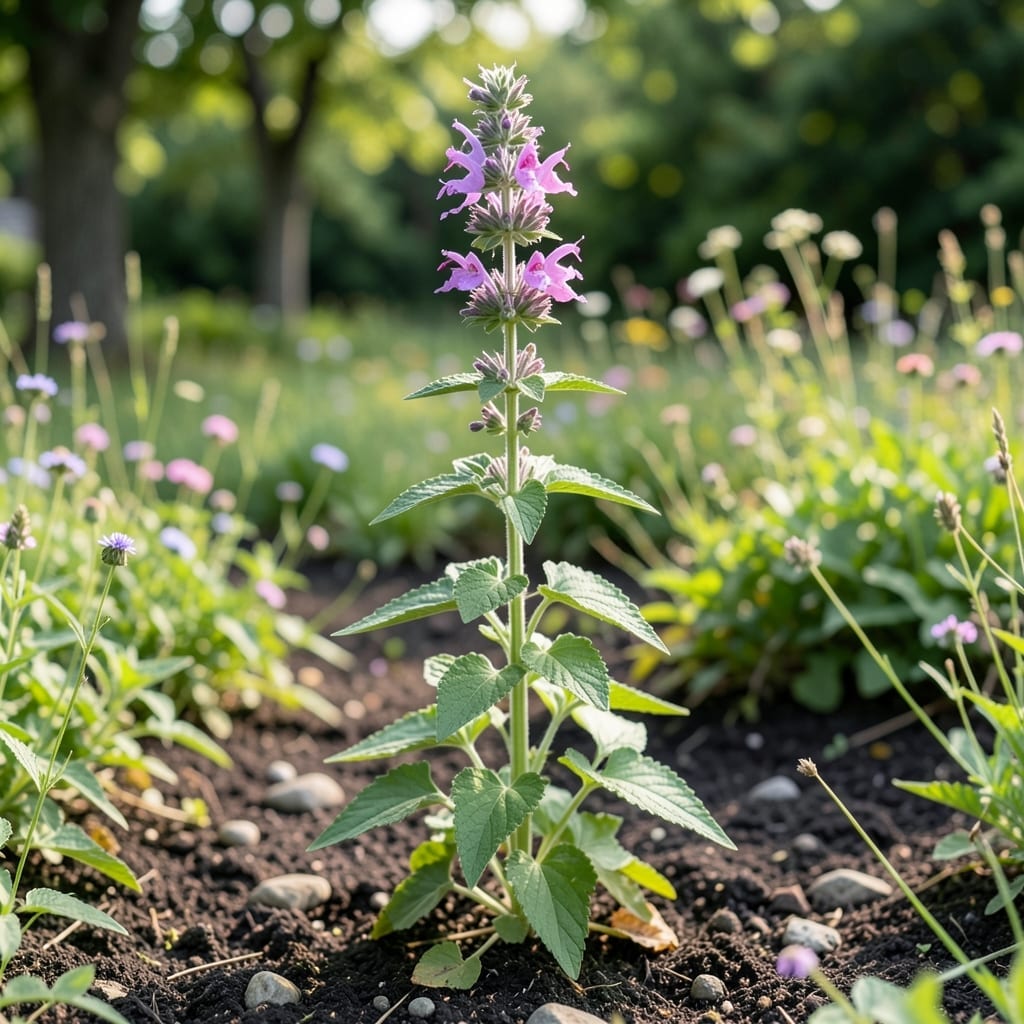
There’s something magical about watching Wild Bergamot 🌸 transform your garden with its vibrant purple blooms. This native perennial doesn’t just add beauty – it attracts pollinators and thrives with minimal care.
Timing is everything when you want to enjoy its full display. While many factors can influence its schedule, understanding the natural rhythm of Wild Bergamot makes all the difference.
I’ve learned that with the right conditions, you can even extend its flowering period. It’s all about working with nature’s timeline rather than against it.
Discover how to make the most of this stunning plant’s blooming season and create a garden that buzzes with life all summer long.
If you’re wondering when wild bergamot blooms, you’ll typically see its stunning purple flowers from mid to late summer. In most regions, this means July through September is peak season.
The exact timing can shift based on your USDA zone and local climate. In warmer zones like 7-8, blooms may start earlier, while cooler areas like zone 4 might see them in late July.
| Blooming Factor | Key Details |
|---|---|
| Primary Season | July to September |
| USDA Zones | 4 to 8 |
| Duration | 4 to 6 weeks |
| Peak Bloom | Mid summer |
Sunlight plays a huge role in bloom timing. Wild bergamot thrives in full sun, which encourages earlier and more abundant flowering. At least 6 hours of direct sun daily is ideal.
Soil conditions matter too. Well-draining soil with moderate moisture helps the plant establish strong roots, which can lead to earlier blooms. Heavy clay or waterlogged soil may delay flowering.
In my experience, consistent watering during the first growing season helps young plants bloom on schedule. Once established, wild bergamot is quite drought-tolerant but performs best with regular moisture.
Temperature also affects the timeline. In cooler springs, bloom onset may be delayed by a week or two. Conversely, a warm spring can bring early flowers by late June in some areas.
Deadheading spent blooms can encourage a second flush of flowers, extending the season by 2-3 weeks. This simple practice keeps your garden vibrant longer.
If you’re in zone 5, expect peak blooms in August. In zone 6, you might see flowers starting in early July. These small variations make wild bergamot adaptable to many gardens.
For the longest bloom period, plant in a sheltered spot with morning sun and afternoon shade in hotter climates. This prevents heat stress, which can shorten the flowering window.
To get the most from your Wild Bergamot, I focus on creating ideal growing conditions. This native perennial thrives in full sun and well-draining soil, which sets the stage for vibrant blooms.
Consistent moisture is key, especially during dry spells. I water deeply once a week, allowing the soil to dry slightly between waterings to prevent root rot.
I’ve found that deadheading spent blooms prompts the plant to produce more flowers. Simply snip off faded blooms at their base to redirect energy to new growth.
A light application of balanced fertilizer in early spring gives my Wild Bergamot the nutrients it needs. I use a 10-10-10 formula at half strength to avoid overfeeding.
For bushier plants with more blooms, I prune back the stems by about one-third in early summer. This encourages branching and results in a fuller display.
Remember that soil quality impacts blooming. I amend my garden beds with compost each spring to ensure rich, fertile soil that supports healthy growth and abundant flowers. ☀️